Ningbo Bohua Mechanical Parts Co., Ltd. · Linda, Export Sales · linda@ningbobohua.com · www.bohua-casting.com
Application
Tank Trailer Valve and API Adapter Castings
Custom castings for tank trucks need finished seal faces, a casting leak check, and inspection records tied to the casting lot. Send the mating interface for the tank trailer valve or API adapter. Identify separately what the equipment maker must verify on the assembled valve or cargo tank. Start with a free drawing review.
What does a tank trailer valve casting need before assembly?
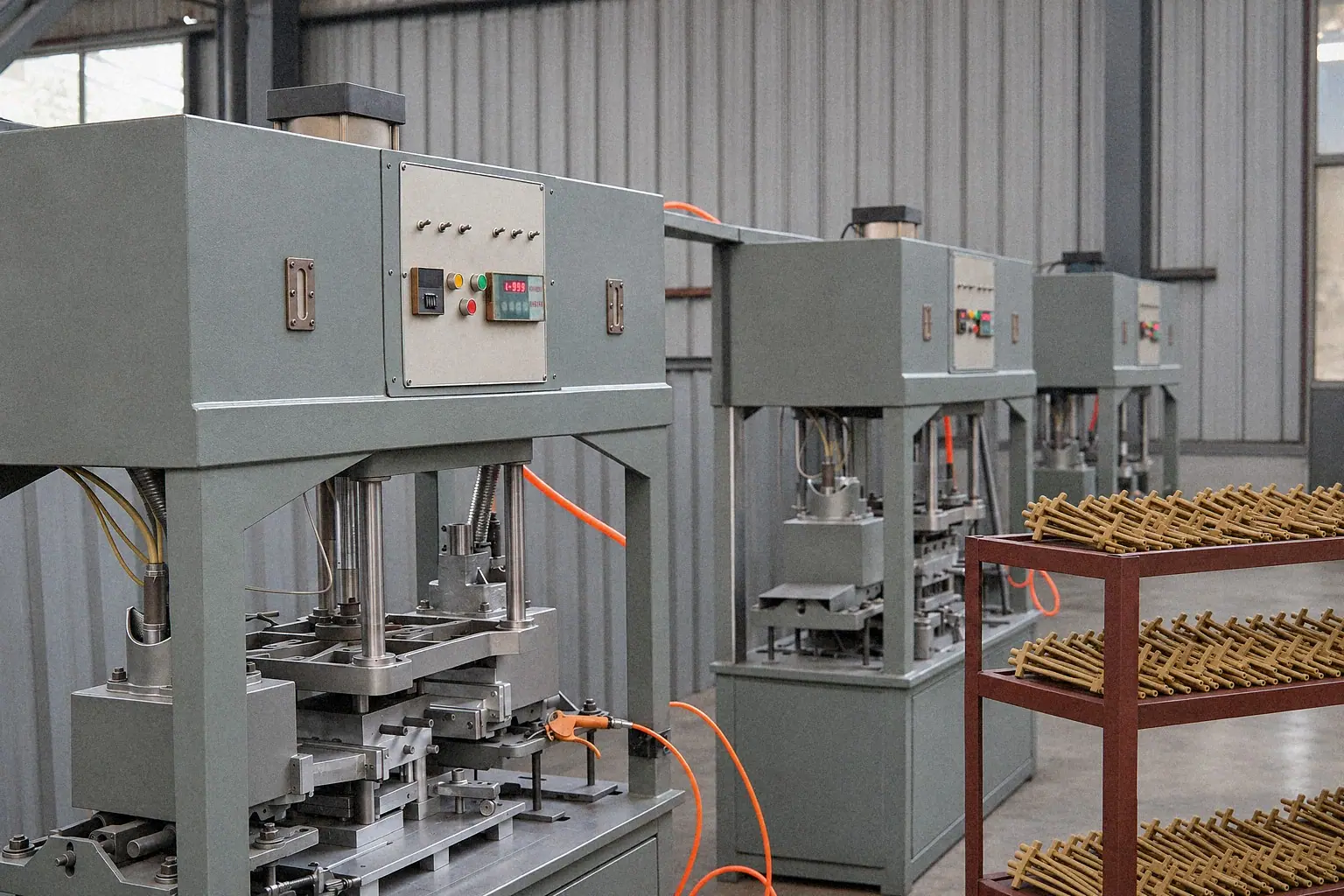
Release the body against its finished seal geometry, casting leak-screen requirements, and lot identification. Send the mating drawing so the supplier can see which surfaces locate or seal against other parts. For custom castings for tank trucks, identify the cargo tank and the petroleum loading or unloading interface on the RFQ.
| Part | Critical interface | What to document |
|---|---|---|
| Aluminum emergency valve body | Valve seat, closure alignment, and tank mounting face | Finished seal geometry, casting leak-screen result, and lot traceability |
| API bottom-loading adapter casting | Coupler engagement profile and gasket seat | Released interface drawing, approved finish, and the API RP 1004 edition specified by the order |
| Vapor recovery adapter | Vapor passage and mating seal faces | Separate vapor-circuit test scope and coupling-fit requirements |
| Tank truck manhole cover casting | Gasket land, cover register, and attachment features | Flatness, finished fit, and the assembly test specified by the equipment maker |
The API publications catalog describes a nominal 4 in bottom-loading adapter in API RP 1004, eighth edition (January 2003). The nominal size converts to 101.6 mm. Use the released interface drawing for the actual coupling dimensions, tolerances, and applicable edition.
Who checks the casting, valve, and cargo tank?
Assign acceptance at each stage. A drawing-defined casting leak screen can locate leaks through the body. The valve assembler checks the actual closure and seals. If the valve specification requires a measured leakage rate, define the method for the assembled valve. The cargo tank manufacturer or its test provider handles the required tank tests.
| Stage | What is checked | Record to request |
|---|---|---|
| Machined casting | Seal face, locating bore, and pressure boundary in the agreed casting fixture | Dimensional and leak-screen records linked to the casting lot |
| Assembled valve or adapter | Closure, leakage past the seat, coupling fit, and actuation as specified | Assembly test record with the actual seals and hardware used |
| Completed cargo tank covered by 49 CFR § 178.345-13(c) | Leakage test with all accessories installed and operable. Maintain at least 80% of tank maximum allowable working pressure for at least 5 minutes. | Cargo tank leakage test record for the specified tank configuration |
The federal rules in this section cover DOT 406, DOT 407, and DOT 412 cargo tank motor vehicles. Confirm the applicable tank specification and its separate pressure test requirements. If accident damage protection affects the casting interface, have the equipment maker mark the protected features before tooling. See the casting leak-screening scope for component-level inspection.
U.S. eCFR, 49 CFR §§ 178.345-1, 178.345-8, and 178.345-13.
How do you trace a finished body back to its lot?
Tie the delivered identifier to its casting lot, machining batch, and inspection results. Add material heat and heat-treatment batch references when the purchase specification requires them. Agree on where markings can go so they stay clear of the gasket track, coupling profile, and machined datums.
Worked example. A hypothetical order sends 48 bodies through machining from one casting lot. Inspection releases 45 and holds 3 for disposition. Two cartons contain 24 and 21 released bodies. The shipment reconciles to the released quantity, 24 + 21 = 45. The lot reconciles to the original count, 45 + 3 = 48. Link both cartons to the release record and record the held bodies separately. If a held body is reworked and released later, link its reinspection result to the subsequent shipment.
If batches combine at machining, require a record that preserves the original lot for each delivered group. Use the valve body RFQ guide to identify the records that need to travel with the shipment.
Can a short run start without a die-casting tool?
Yes, if the geometry and approval plan allow sand or gravity casting. A large manhole cover can be evaluated for sand casting. A repeat adapter or valve body can be evaluated for gravity permanent mold tooling after the coupling, gate, and sealing features stabilize. Review the sand casting manufacturing scope before freezing first-part drawings.
At Bohua
We cast and machine aluminum valve bodies in batches. We quote against annual volume, and small batches are negotiable. The drawing review is free. We identify process and design options from the released interfaces, and you decide which changes go on the drawing. We plan on 5–6 weeks from drawing confirmation to first article.
We design and make tooling in-house. We run gravity casting including tilt pour, low-pressure casting, and sand casting in-house. For small and medium parts, we run in-house die casting on two machines rated at 280 t and 450 t. For a larger part, we assess gravity, tilt-pour, low-pressure, or sand casting against the drawing. We use A356 and ZL114 for gravity and tilt-pour castings.
We use air-under-water immersion at 3 bar or more to screen castings for leaks. The drawing controls the specified test pressure for the part. The valve or tank equipment maker owns the applicable assembly validation.
What goes on the valve body or API adapter RFQ?
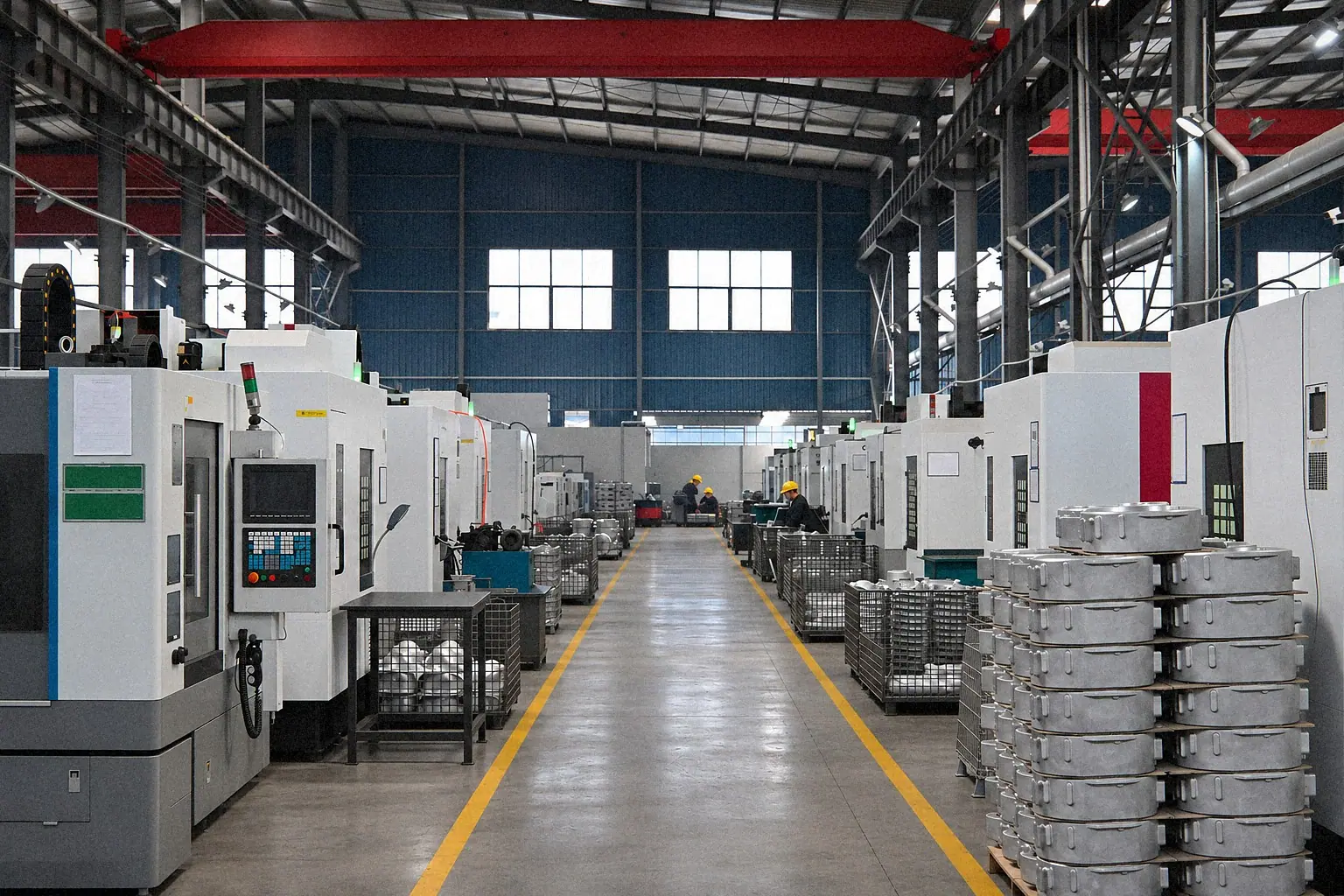
Mark the final seal land and mating pilot on the section view. Show the datum, finish, flatness, and any masking limits. Identify what medium the part will contact, the operating conditions, and the test medium and pressure basis. Show the openings closed during the casting test and the areas the fixture may contact. Give the observation time, leakage acceptance, and records required before release.
Use the tank trailer casting RFQ form for first release and annual quantities, required lot records, and the inspection split. Then email the casting drawing and mating interface to linda@ningbobohua.com for a free drawing review. For general sourcing, see aluminum valve body manufacturing.
For U.S. imports, duties can differ substantially between machine parts and aluminum articles under heading 7616, so see the U.S. casting tariff guide and have your customs broker verify each item.
Tank truck casting questions
Use the final interface drawing and the stage-specific acceptance plan together when requesting a quote.
Does a nominal API adapter size define the machining dimensions?
No. Use the coupler interface drawing and the edition referenced by the order. Mark the profile, datum, gasket seat, and finish limits.
Can the bare body leak screen qualify the assembled valve?
No. The body screen checks the casting boundary. Use the appropriate assembled check for shutoff and leakage at the seals.
Can a valve body casting go through machining before it receives its final marking?
Yes, if the agreed process preserves its lot identity through machining. Keep the shipment marking linked to the same lot and inspection records.
Should I allow a change in casting route after approval?
It depends on your change-control plan. State which material, tooling, machining, or foundry process changes must go through approval before shipment.
Send your valve body drawing for a free drawing review
Share the mating interface, seal-face requirements, casting leak-screen plan, and required lot records. Submit the RFQ details, then email your drawing for review.
Send your drawing →