Low-Pressure Casting
Counter-gravity permanent-mold casting for pressure-tight aluminum parts. Best for housings, wheel-type parts, and leak-sensitive components that need cleaner filling and more stable internal quality.
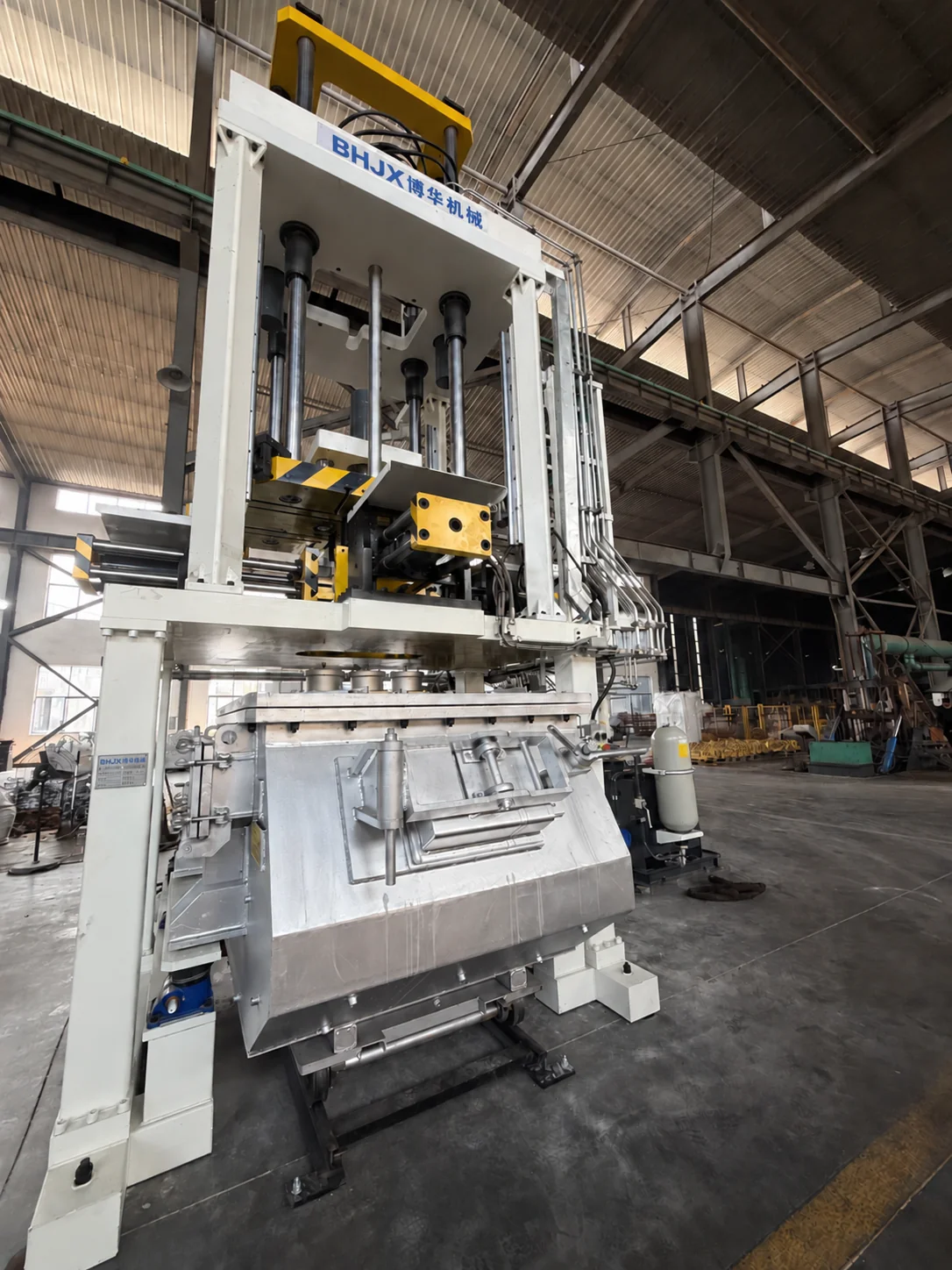
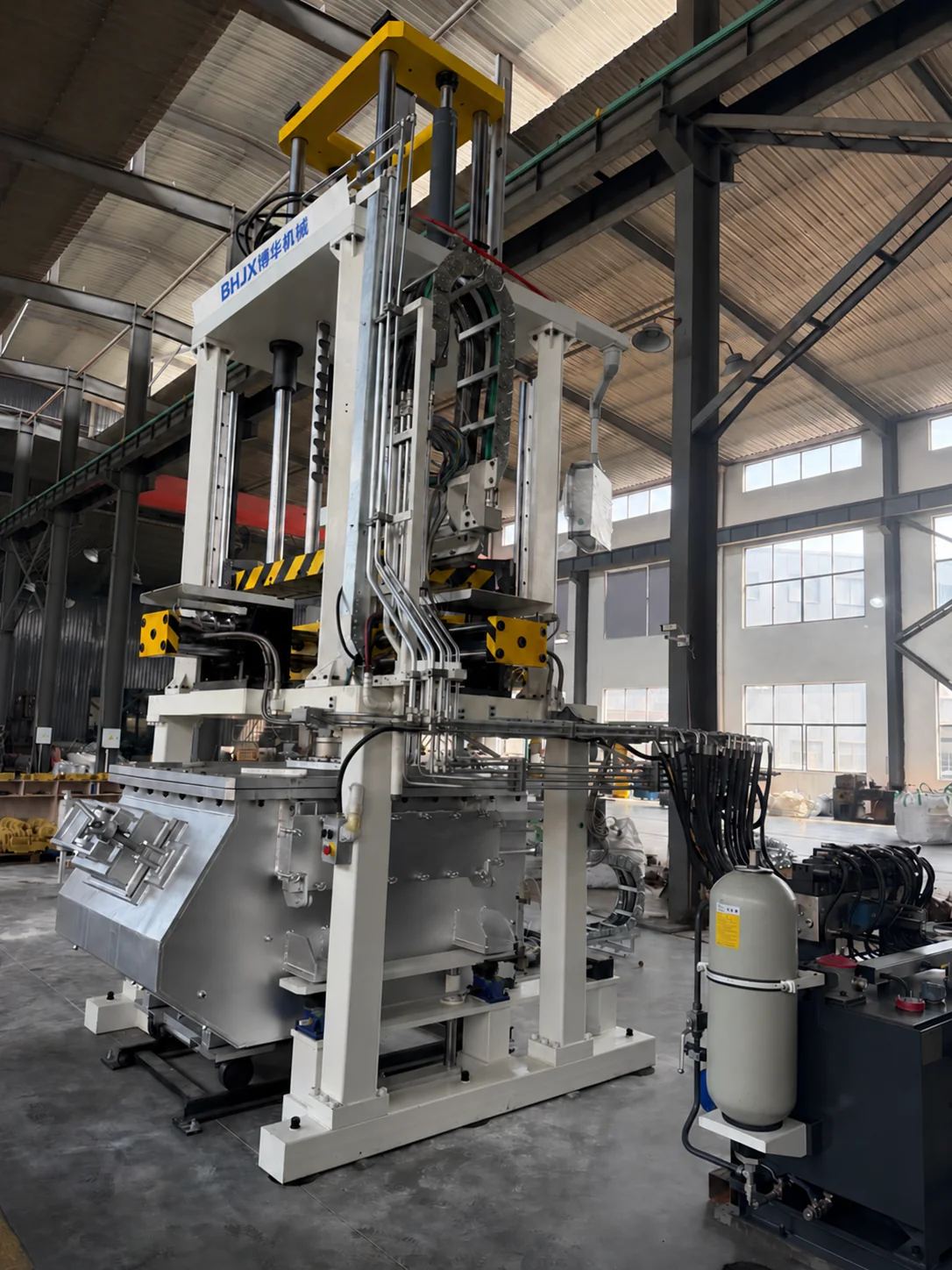
Bohua has two low-pressure casting machines in trial production. Part suitability, sample validation and production readiness require project-specific review before an order is accepted.
Low-pressure casting equipment
Two photographs showing the machine and auxiliary equipment. Open a photograph to see the full view.
When low-pressure casting is worth quoting
Low-pressure casting may be reviewed when controlled bottom filling and feeding suit the geometry and pressure-boundary requirements. It does not guarantee a pore-free or leak-free component. Compare the proposed route using drawing-specific samples, machining exposure, inspection zones and acceptance criteria. Housings, manifolds and other pressure-sensitive parts require their own process validation. Bohua's equipment is currently in trial production; this general process discussion is not evidence of completed serial-production programs.
Gravity casting vs low-pressure casting
| Criterion | Gravity casting | Low-pressure casting |
|---|---|---|
| Filling | Top-pour, gravity | Bottom-up, controlled pressure |
| Porosity | Depends on the qualified process and part | Depends on the qualified process and part |
| Best for | Structural / general | Pressure-tight / sealing |
| Cycle time | Slightly faster | Slightly slower |
| Tooling cost | Lower | Higher (pressure chamber) |
| Typical alloys | A356 / ZL114 | A356 / ZL114 |
Typical RFQ inputs for low-pressure casting
- 1.Pressure / leak-test standard
- 2.Sealing face flatness + Ra requirement
- 3.Machining datum strategy
- 4.Alloy + temper target (A356 / ZL114, T5/T6)
- 5.Annual volume
- 6.Inspection package (X-ray scope, CMM, leak)
- 7.Tooling pressure-chamber compatibility
Inspection considerations
- • X-ray for pressure-path porosity
- • Project-defined pressure-tightness testing for sealing surfaces
- • CMM for bearing-seat and datum control
- • IATF 16949-compliant traceability on all inspection records
When low-pressure casting makes sense
Low-pressure casting fills the mold from the bottom by using controlled gas pressure instead of gravity alone. That changes the quality story in a useful way: the metal front is calmer, feeding stays active during solidification, and internal quality is usually more consistent in demanding sections.
Potential benefits must be demonstrated on the actual part. Review internal-inspection results, machining exposure and repeatability from an agreed trial; do not assume better yield or leak performance from the process name.
Better internal quality
Bottom-up filling lowers turbulence and helps reduce oxide-related defects in critical housings.
Active feeding
Pressure is maintained during solidification, which improves shrinkage control in heavier sections.
Heat-treatment compatible
A356 and ZL114 LPDC parts can be paired with T5 or T6 treatment when higher strength is required.
Trial and production-readiness review
Bohua is validating its trial-production route. Samples, process controls, test records and approval requirements must be agreed before serial-production readiness is confirmed.
Selection logic for buyers
| Requirement | Why LPDC fits |
|---|---|
| Pressure-tight housing | Lower turbulence and better feeding reduce leak-risk zones after machining. |
| Wheel or symmetric geometry | Bottom-up filling is naturally suited to balanced cavity filling. |
| Structural aluminum part | A356 / ZL114 with heat treatment supports stronger property targets. |
| Medium to higher annual volume | Tooling investment is justified when quality yield and metal utilization matter. |
| X-ray-sensitive customer program | Define inspection zones and acceptance criteria, then validate the proposed route on samples. |
Technical scope
- • Common alloys: A356 and ZL114
- • Part weight and size are confirmed from drawing, geometry, tooling, and handling requirements
- • Typical use cases: powertrain housings, wheels, leak-sensitive industrial parts, structural housings
- • Inspection path can include spectrometer checks, X-ray review, CMM, hardness, and leak test
Quick reference
Low-pressure casting FAQ
What is low-pressure aluminum casting?
Low-pressure casting uses controlled gas pressure to push molten aluminum upward into a permanent mold from below. The bottom-up fill is smoother than top-pour methods, which helps reduce turbulence, oxide films, and porosity.
When should buyers choose low-pressure casting?
Low-pressure casting is a strong choice for pressure-tight housings, wheel-type geometries, powertrain parts, and components that need tighter internal quality control than standard gravity casting can deliver. It is usually selected when leak performance, X-ray quality, or property consistency matters more than tooling simplicity.
Which alloys are common for low-pressure casting?
A356 and ZL114 are commonly discussed for low-pressure casting in industry. Bohua's low-pressure machines are in trial production; the alloy, heat-treatment target, sample validation and order scope must be confirmed for each project.
What tolerances can low-pressure casting achieve?
Typical low-pressure casting tolerances fall around CT7 to CT9 depending on geometry, wall thickness, and machining strategy. Critical interfaces are normally machined after casting to achieve final sealing or bearing requirements.
How long does low-pressure casting tooling take?
Final timing depends on part complexity, cooling design, machining, inspection, and sample validation scope.
Related Resources
Sourcing Categories
Technical Articles
Need Pressure-Tight Castings?
Send drawings with pressure-test, machining and inspection requirements for a trial-production feasibility review. Sample approval and production readiness must be confirmed before agreeing an order.
Request a Trial-Production Review