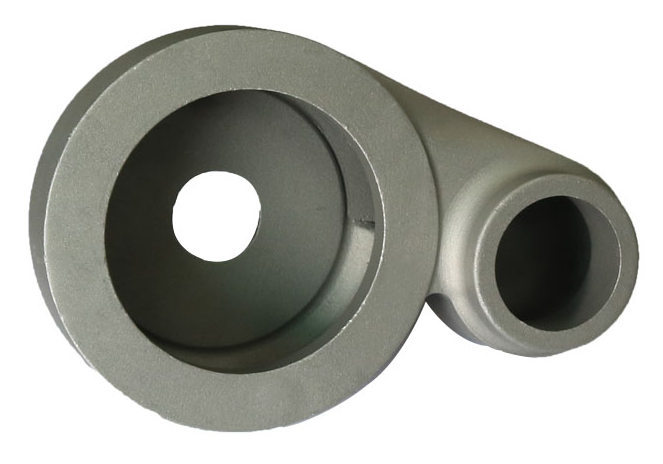
Industrial Fluid Systems

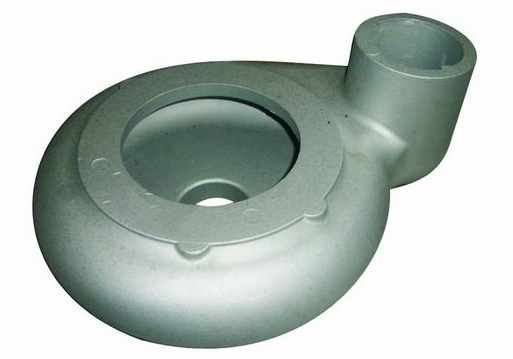
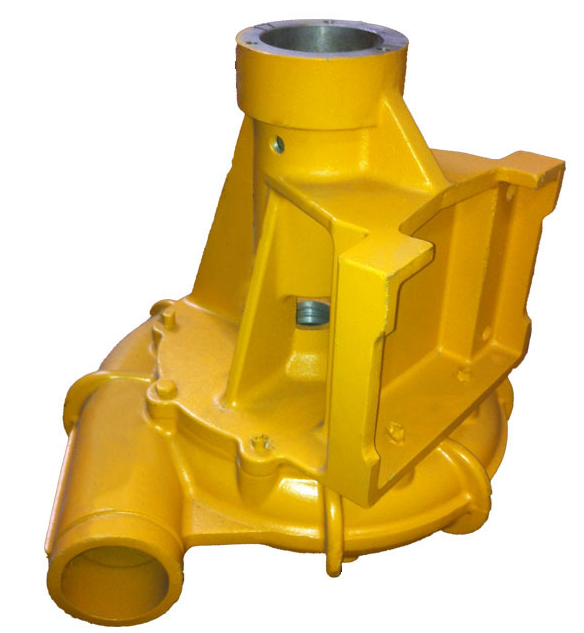
Pump Housing Casting RFQ for A356 Machined Housings

Bohua helps OEM buyers source A356 aluminum pump housings, pump casings, and pressure-tight fluid housings from a China manufacturer that can manage gravity casting, CNC sealing faces, leak-test planning, CMM records, and export delivery in one workflow.

This page is built for commercial-intent buyers searching pump housing manufacturer, pump housing supplier, OEM pump housing, and pump housing RFQ terms. Instead of a thin SEO page, it gives procurement teams a direct path from supplier qualification to product examples to contact.

Quick answer for buyers

Bohua supports A356 aluminum pump housing RFQs for OEM buyers that need casting, machining, leak-test planning, inspection records, and export coordination from one China supplier. Buyers should choose the pressure-tight pump RFQ route when sealing faces, CNC datums, CMM records, FAI/PPAP, or leak-test acceptance criteria drive supplier selection.

Buyer facts

LocationNingbo, Zhejiang, China
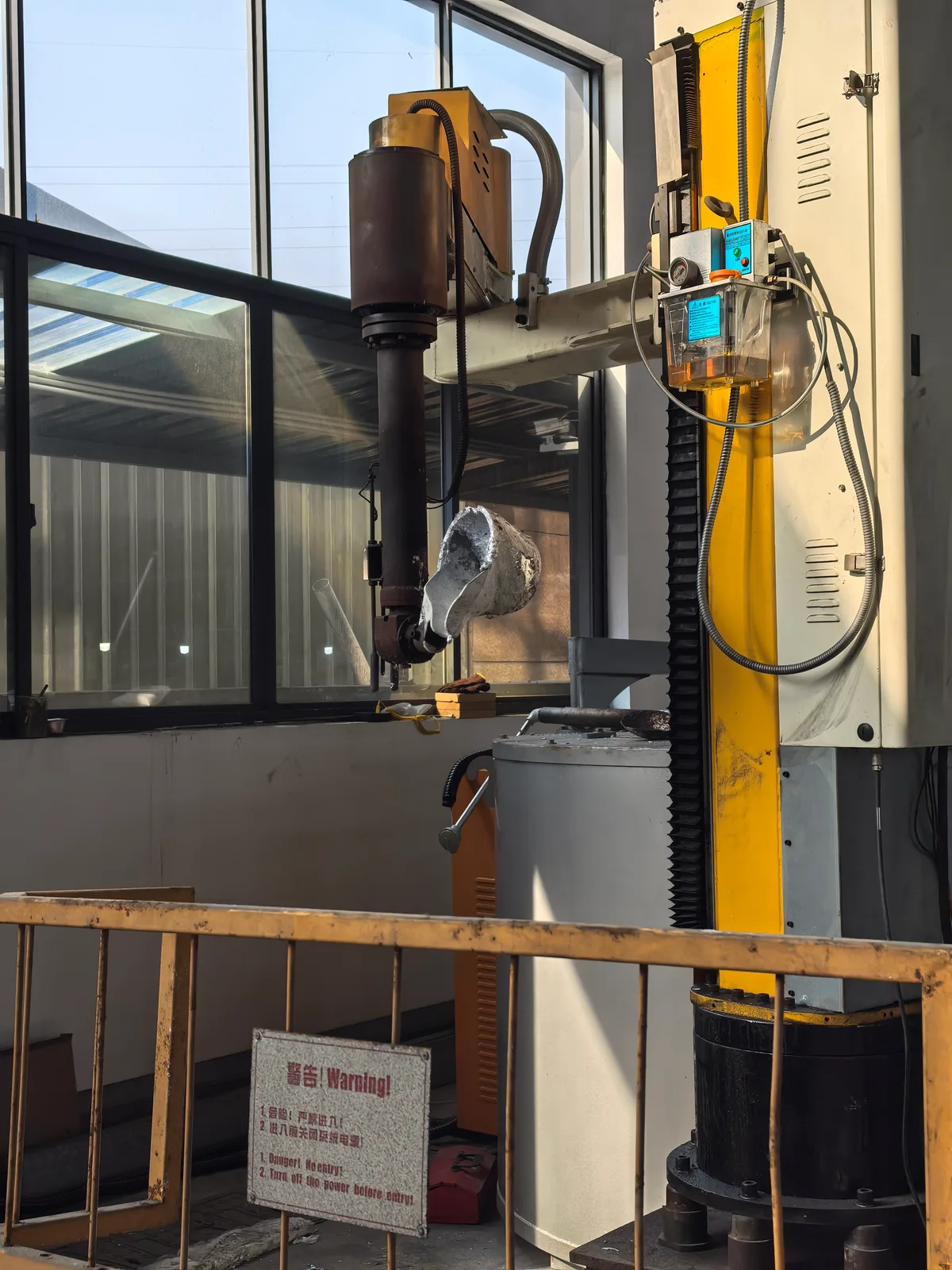
Process optionsGravity casting and low-pressure casting routes for pressure-tight pump bodies
Common alloysA356-T6, ZL114; ADC12 only when the part suits high-pressure die casting
Secondary operationsCNC machining of sealing faces, ports, bores, O-ring grooves, and mounting datums
RFQ inputs2D + 3D drawings, alloy, annual volume, machining scope, leak/pressure-test target, surface finish, inspection requirements
Best RFQ routeUse the A356 pressure-tight route when leak-test criteria are known; use the pump OEM route for drawing-ready pump casing quotes; use second-source or quality-documentation routes when supplier approval evidence is the main blocker
Process fitGravity casting for thick-wall, pressure-conscious housings where porosity control and machining stability matter; low-pressure for complex passages or higher serial volumes needing consistent fill
Quality evidenceProject-defined pressure-tightness testing, CMM dimensional reports, X-ray scope, and material certificates are planned according to customer requirements
Export executionTypical Incoterm: FOB Ningbo or CIF destination; ocean-freight packing uses VCI film, foam dunnage, and pallet per export standard; air-freight uses individual carton with moisture barrier

Why buyers land here

Commercial path from supplier search to inquiry

Pressure-tight pump bodies, coolant pump housings, circulation pump casings, utility and fire-pump components

A356-T6 gravity casting for pressure-conscious pump housing programs
CNC machining on gasket faces, ports, bores, O-ring grooves, and mounting datums
Leak-risk review, sample validation, and export packaging support
OEM and private-label supply for industrial, utility, and automotive pump applications

Buyer CTA

Need a quote on a pump housing program?

Send the drawing, pressure target, machining list, and annual demand through our contact page for a structured RFQ review.

• Share 2D/3D files, annual demand, alloy target, and machining scope

• Add leak, bearing, sealing, or coating requirements where relevant

• Bohua reviews OEM, supplier, and export-ready assumptions before tooling

Go to contact →

Core selling points

What procurement teams usually need to verify

Pressure-tight sourcing logic

We review leak-test expectations, sealing faces, and porosity-sensitive zones before tooling is released.

OEM-ready RFQ handling

Buyers can quote against drawings, annual volume, machining scope, and delivery terms instead of vague catalog assumptions.

China export-ready execution

Casting, machining, inspection, and shipment planning stay aligned for international procurement teams.

Comparison intent

How buyers usually compare China suppliers before RFQ

Pressure-tight planning

Bohua approach

Leak path, sealing face, and pressure-test method are reviewed before tooling quote is frozen.

Typical market gap

Supplier quotes from weight and drawing screenshot, then discusses leak testing after samples.

Tooling and machining alignment

Bohua approach

Tooling review includes port machining, O-ring grooves, datum logic, and correction loop for first samples.

Typical market gap

Tooling is quoted without clarifying which faces, bores, or ports drive the real machining cost.

Commercial clarity

Bohua approach

MOQ, lead time, pressure test, and export packing assumptions are visible in the RFQ stage.

Typical market gap

Unit price looks low until MOQ, sample timing, and testing scope are added later.

Engineering review

Engineering review checklist before RFQ sign-off

Wall thickness and feedability across the casting geometry
Sealing faces and machining allowance for gasket or O-ring interfaces
Porosity risk areas near fluid paths, thick sections, or sealing features
Test pressure or leak-test method, medium, and acceptance criteria
Datum and fixture plan for CNC machining of sealing faces and critical bores
Inspection records needed by buyer: CMM report, material cert, leak-test record

RFQ micro-conversion

Send a pump housing RFQ that engineering can quote quickly

Use this micro-conversion block if you already have a drawing or if you are still aligning leak test, MOQ, and tooling assumptions. The goal is to move from browsing to a real RFQ without adding backend complexity.

Drawing / spec: PDF + STEP is ideal. If NDA is needed first, note it in the message.
Material: A356-T6 target, media compatibility, or corrosion notes if still under review.
Quantity / MOQ: prototype quantity, annual demand, and MOQ expectation for serial supply.
Tooling + lead time: new tool / existing tool transfer, T1 target, SOP window, and shipping destination.
Testing / contact path: leak test standard, pressure medium, CMM / X-ray request, plus direct email or WhatsApp path for urgent follow-up.

Fastest contact path

Pre-filled quote route to /contact

Open a pre-filled RFQ draft with drawing/spec, material, MOQ, tooling, lead time, testing, and contact-path prompts already staged in the form.

Drawing / spec, material, and machining scope are pre-structured for faster internal review.
MOQ, tooling, lead time, and testing prompts reduce vague inquiries and speed up quote maturity.
Urgent projects can switch from form to direct email or WhatsApp without losing the RFQ logic.

RFQ checklist

What to send if you want a serious quotation

3D + 2D drawing with gasket faces, ports, bores, and datum notes

Pressure-tight or leak-test standard, test medium, and hold time

Annual volume, MOQ target, and pilot-to-serial ramp expectation

Machining scope for sealing faces, threads, O-ring grooves, and mounting points

Tooling ownership, sample approval route, and packaging / Incoterm requirements

Send RFQ package →

Pricing / MOQ / lead time / tooling / testing

Commercial questions procurement teams ask before supplier approval

Pricing logicQuoted against casting weight, machining scope, leak-test plan, and annual volume instead of catalog-only pricing.
MOQUsually reviewed by drawing complexity, tooling route, and whether the project starts from sample, pilot, or serial demand.
Lead timeRFQ review covers tooling, first sample pour, CNC validation, and pressure-tight test timing before volume commitment.
ToolingTooling discussion includes porosity-sensitive zones, machining allowance, and correction plan after T1 samples.
Testing intentPressure-tight and leak-test planning are defined early for pump casings that cannot tolerate sealing surprises.

FAQ

Questions buyers usually ask before contacting a manufacturer

What should I send in a pump housing RFQ?

A serious RFQ should include the 2D and 3D files, annual demand, alloy target, leak or pressure standard, machining scope, and delivery terms.

Is gravity casting a good fit for aluminum pump housings?

Yes, especially when the housing needs stronger structure, lower porosity risk, and better machining stability than thinner wall alternatives.

Can Bohua supply cast-plus-machined pump housings from China?

Yes. Bohua supports casting, CNC machining, inspection planning, and export-ready delivery for OEM pump housing programs.

How does Bohua define pressure-tightness testing for pump housings?

Bohua has its own pressure-tightness testing workshop. The test method, medium, pressure, duration, sampling plan, records, and acceptance criteria are defined from the customer drawing and project requirements before quotation.

Which sealing-surface tolerances should buyers specify for cast-plus-machined pump housings?

Sealing faces are typically machined to a flatness, parallelism, and surface-finish (Ra) value driven by the gasket or O-ring spec. Common ranges are flatness within 0.05 mm, Ra 1.6-3.2 µm for elastomer seals, and tighter Ra 0.8 µm for metal-to-metal interfaces. Send the gasket or seal datasheet so we can match the casting and machining route.

Can Bohua handle T6 heat treatment for pump housings in-house?

T6 (solution + age) is supported in-house for A356 and ZL114 castings to bring the housing to the strength and dimensional-stability target. T6 cycle parameters are reviewed against part wall thickness, residual stress, and post-machining accuracy expectations.

What does Bohua's pump-housing export packaging look like?

Standard export packaging is wood-pallet plus VCI corrosion film for ocean freight, with foam dunnage at sealing faces and machined surfaces. Air-freight packaging uses individual carton plus moisture barrier. We adapt packaging to the buyer's Incoterm, destination port, and any inbound-quality wrap requirement.

What drawings are needed for a pump housing RFQ?

A serious pump housing RFQ should include the 2D drawing with sealing faces, gasket surfaces, port locations, and datum callouts, plus a 3D model in STEP or equivalent format. If the part requires specific machining allowances or pressure-path geometry, add annotations. If the drawing is under NDA, note that upfront and a review protocol can be arranged.

Can Bohua review pressure or leak-test requirements before quoting?

Yes. Buyers can share pressure or leak-test requirements — including test medium, target leak rate, hold time, and acceptance criteria — at the RFQ stage. Reviewing the casting route and sealing-face geometry against those requirements before tooling is finalized helps ensure that test planning and cost assumptions are visible from the start.

When should a pump housing use gravity casting versus low-pressure casting?

Gravity casting is typically recommended for thick-wall pump housings where structural integrity, lower porosity risk, and machining stability are priorities. Low-pressure casting may be worth reviewing when the geometry requires more consistent fill across thin or complex internal passages, or when the program involves higher serial volumes and tighter dimensional consistency. Both options can be evaluated against the drawing and pressure requirements during the RFQ stage.

Can machining and inspection be planned with the casting quote?

Yes. Bohua can include machining scope, sealing-face tolerances, port machining, and inspection requirements — including CMM, leak test, and X-ray — as part of one coordinated RFQ review. Aligning these early prevents tooling and machining surprises later in the program.

What information helps reduce RFQ back-and-forth?

Sending the full drawing package, alloy target, pressure or leak-test standard, annual volume, machining scope, inspection requirements, and desired sample timeline in the first message significantly reduces clarification cycles. The more clearly buyers define test acceptance criteria and machining datums upfront, the faster engineering can quote accurately.

Ningbo Bohua Mechanical Parts Co., Ltd.✉️ [email protected]💬 WhatsApp: +852 9131 3825Direct engineering follow-up available
Get Quote →

Ready to move from supplier search to a real RFQ?

Send your drawings, machining notes, annual usage, and delivery target. Bohua will review the project as a manufacturer and supplier, not just a catalog page.