Ningbo Bohua Mechanical Parts Co., Ltd. · Linda, Export Sales · linda@ningbobohua.com · www.bohua-casting.com
Application
Aluminum Castings for Generator Sets and Industrial Engines
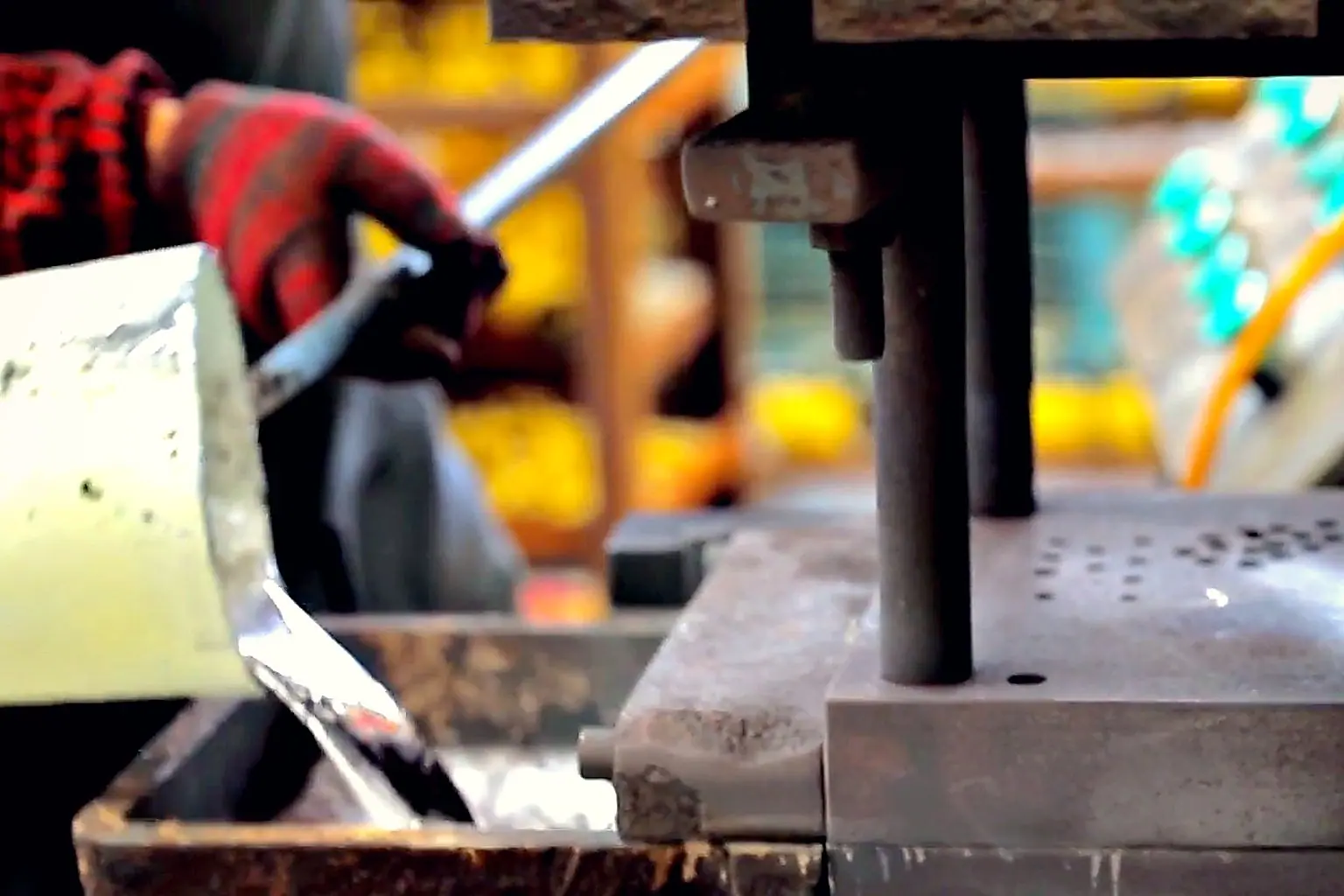
Coolant outlets, thermostat housings, intake and charge-air parts, engine covers, and alternator end brackets are candidates for aluminum casting. Compare tilt-pour gravity casting for repeat releases, with CNC machining and leak testing scoped by the drawing. Bohua’s GB 45 carbon-steel molds last about 20,000 to 50,000 shots. Its H13 molds last about 100,000 shots with prescribed maintenance.
Which generator set parts can be cast in aluminum?
Review tilt-pour gravity casting for aluminum coolant outlets, thermostat housings, intake and charge-air parts, engine covers, and alternator end brackets. Use the finished drawing to decide which parts need cored passages, machined interfaces, or a leak test.
| Part | What to review before tooling | What to check after machining |
|---|---|---|
| Coolant water outlet | Passage shape, core removal, and hose connection | Sealing flange, outlet profile, and drawing-specified leak test |
| Diesel engine thermostat housing | Thermostat pocket, bypass passage, and cover joint | Seat depth, seal groove, and separate test boundaries if specified |
| Intake manifold or cast charge-air pipe | Internal turns, branch access, and wall requirements | Flanges, sensor ports, and leak or cleanliness checks where specified |
| Engine cover | Rib and boss layout, gasket path, and tooling release | Mounting pattern and gasket face in the specified inspection condition |
| Generator end bracket casting | Bearing support, register, mounting flange, and tool access | Bearing seat and pilot relative to the assembly datums |
For passage and sealing details, see the coolant water outlet casting page. For air passages and branch geometry, see the intake manifold casting page.
How does casting process choice affect unit cost?
Compare the cost per accepted, finished part over the expected program volume. Sand casting can suit modest or uncertain releases. For repeat releases, compare permanent tooling against the cost of making a sand mold for each pour and machining the parts to the same requirements. Keep the drawing revision, machining scope, and inspection plan the same when comparing routes.
| Decision | When to review it | Cost or delivery item to compare |
|---|---|---|
| Sand casting | Design changes or modest releases are likely | Pattern changes, expendable molds and cores, and machining stock |
| Tilt-pour gravity casting | Repeat releases justify a permanent mold | Mold and core tooling, maintenance, and shots before replacement |
| CNC finish machining | A gasket face, thread, pilot, or bearing seat controls fit | Fixture cost, setup count, and features machined on each part |
| Leak testing and inspection | The drawing calls for a sealed circuit or a critical interface | Test fixture, inspection frequency, handling, and records per lot |
Open passages and enclosed passages can need different core arrangements, even within one engine family. Review the tilt-pour gravity casting process alongside the passage sections before setting the tooling scope.
Worked example for forecasting mold life
Assume a program needs 60,000 accepted castings. For this example, a single-cavity mold produces one accepted part per shot, so the program needs 60,000 shots. At 20,000 shots per mold, plan for three mold lives. At 50,000 shots, the first mold leaves 10,000 shots uncovered, so plan for two mold lives. At 100,000 shots, one mold life covers the example.
For a real program, account for cavities per shot and expected rejected parts. Add setup shots separately if the acceptance estimate excludes them. Ask which repairs are included. Set the replacement decision before the remaining usable shots fall below what you need through the next release. Divide the quoted tooling, maintenance, and replacement total by expected accepted parts. Compare that amount alongside casting, machining, and inspection costs at the same delivery scope.

At Bohua
The drawing review is free. Bohua reviews the required interfaces, service conditions, and annual volume to recommend a casting process and suggest drawing changes. You decide which changes go into the drawing.
At Bohua
Bohua designs and makes its molds in-house. GB 45 carbon-steel molds last about 20,000 to 50,000 shots. H13 molds last about 100,000 shots with prescribed maintenance. Tool wear and the economics of the part guide the steel choice.
| Mold steel | Approximate life in shots | Condition |
|---|---|---|
| GB 45 carbon steel | 20,000 to 50,000 | Depends on tool wear for the part |
| H13 | 100,000 | With prescribed maintenance |
The factory has 10 hot-box core shooting machines and uses sand cores on some tilt-pour castings. T5 and T6 heat treatment and CNC machining are available on-site. Bohua leak-tests by air-under-water immersion at 3 bar or more. If the drawing calls for a leak test, agree on the pressure, hold time, and acceptance rule for that part.
What goes on the drawing and RFQ?
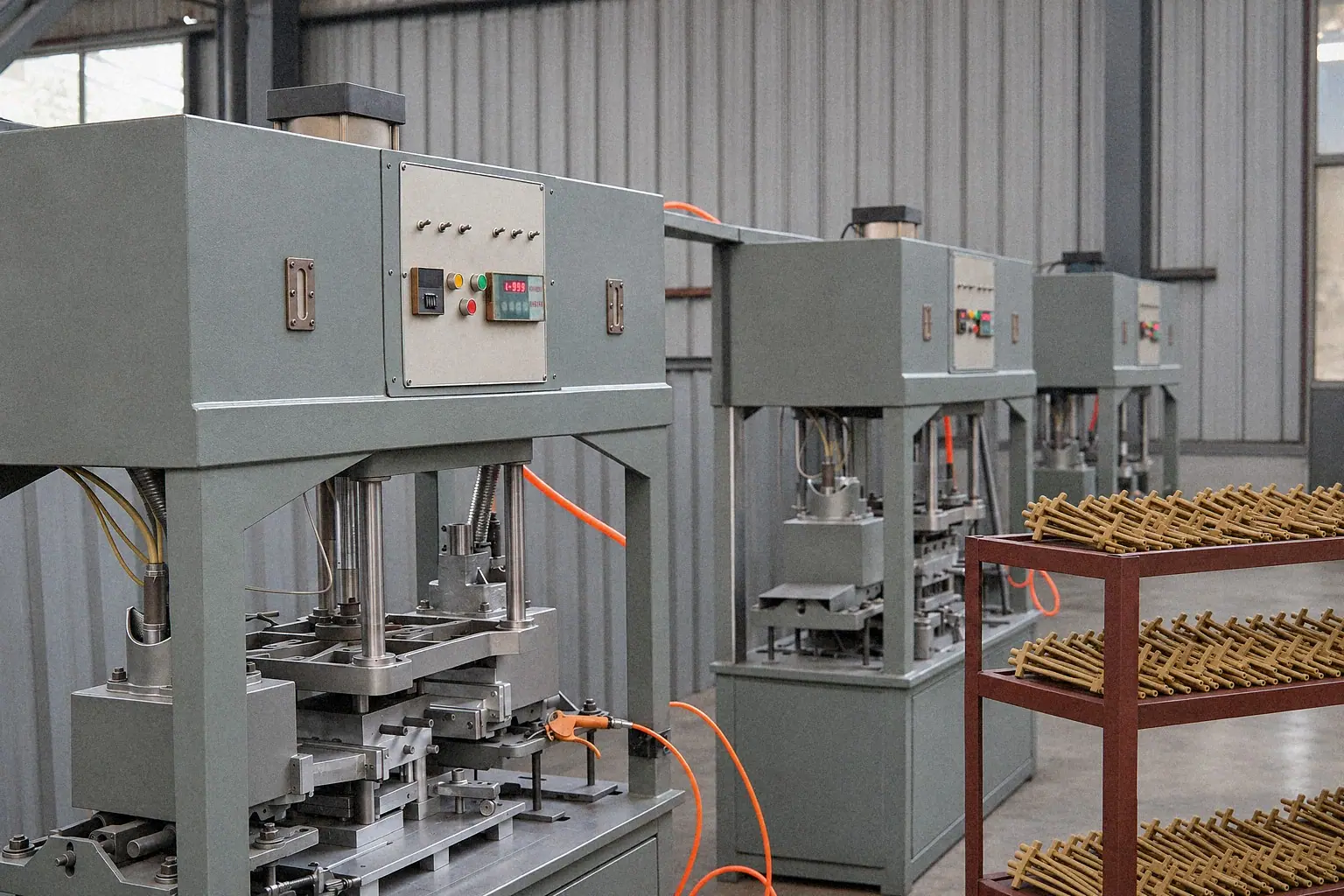
Send the finished drawing and model at the same revision. Identify the machined faces and the datums used to inspect them. For a coolant part, mark the cavity that must seal and the ports the fixture must close. For an alternator end bracket, define the bearing seat diameter and its relationship to the locating pilot and mounting face.
For leak testing, state the pressure and its reference, the stabilization and hold times, the acceptance rule, and the required inspection frequency. State whether to test the casting blank or the finished machined part. If the finished part must meet the leak requirement, specify the ports and sealing surfaces that the final test must cover. Use the same test and record requirements when comparing quotes. See the leak-tight casting and test planning page.
Include annual demand, release quantities, and the expected demand for service parts. State whether you need cast blanks, machined parts, or tested parts. If you already own tooling, include its condition and any known maintenance history. For adjacent power equipment, see the energy equipment casting applications.
U.S. duties can differ substantially between machine parts and other aluminum articles under heading 7616, so use the U.S. aluminum casting tariff guide to prepare for a part-by-part classification and duty check with your customs broker.
For ordinary EU imports in 2026, parts correctly classified under CN 8409 91 00, 8409 99 00, or 8503 00 98 carry 2.7% conventional duty and are outside the current CBAM Annex I scope, subject to entry-specific measures and the final text of any CBAM expansion.
Sources: 2026 EU Combined Nomenclature, Implementing Regulation (EU) 2025/1926, and Regulation (EU) 2023/956, Annex I.
Generator set casting questions
Specify the finished condition and release schedule so the quote covers the parts you can accept and use.
Do covers and end brackets need the same inspection?
A cover often depends on the gasket face and bolt pattern. An end bracket also supports and locates a bearing. Specify the bore size and the permitted misalignment to the pilot and mounting face.
Should the thermostat housing be tested before CNC machining?
Specify the required delivery-state test. If the housing ships machined and the drawing requires leak acceptance in that condition, the final test should cover the machined ports and sealing faces.
Can a cast charge-air pipe come with machined ports?
Include each port, flange, thread, and sealing face in the finished drawing. Identify which passages need core removal access and what must be verified inside the casting.
When should sourcing plan a replacement mold?
Use the expected shot count across the program, including service stock. Ask for the maintenance plan and the replacement decision point before the next release depends on the tool.
What should I send first?
Enter annual volume and finished-part scope to request a free drawing review. Email the drawing and model at the same revision to linda@ningbobohua.com after submitting the project details.
Request a free generator set casting drawing review
Enter the finished-part scope and release schedule on the quote page, then email the drawing. Submit the RFQ details, then email your drawing for review.
Send your drawing →