Ningbo Bohua Mechanical Parts Co., Ltd. · Linda, Export Sales · linda@ningbobohua.com · www.bohua-casting.com
Application
Aluminum Coolant Water Outlet Casting
For a coolant water outlet or thermostat housing RFQ, send the passage geometry, sealing interfaces, machining scope and leak-test requirements. Bohua has gravity and tilt-pour casting equipment, sand-core making and CNC machining. The drawing review determines the manufacturing route and acceptance plan for your part. Bohua's quality management system is certified to IATF 16949:2016 by NQA.
Manufacturing scope for your outlet drawing
A coolant water outlet RFQ needs a defined internal passage, mating interface and finished delivery condition. Include the thermostat seat and cover interface when they are part of the design. Specify whether the quotation covers a raw casting or a casting with machined faces, ports and mounting holes.
At Bohua
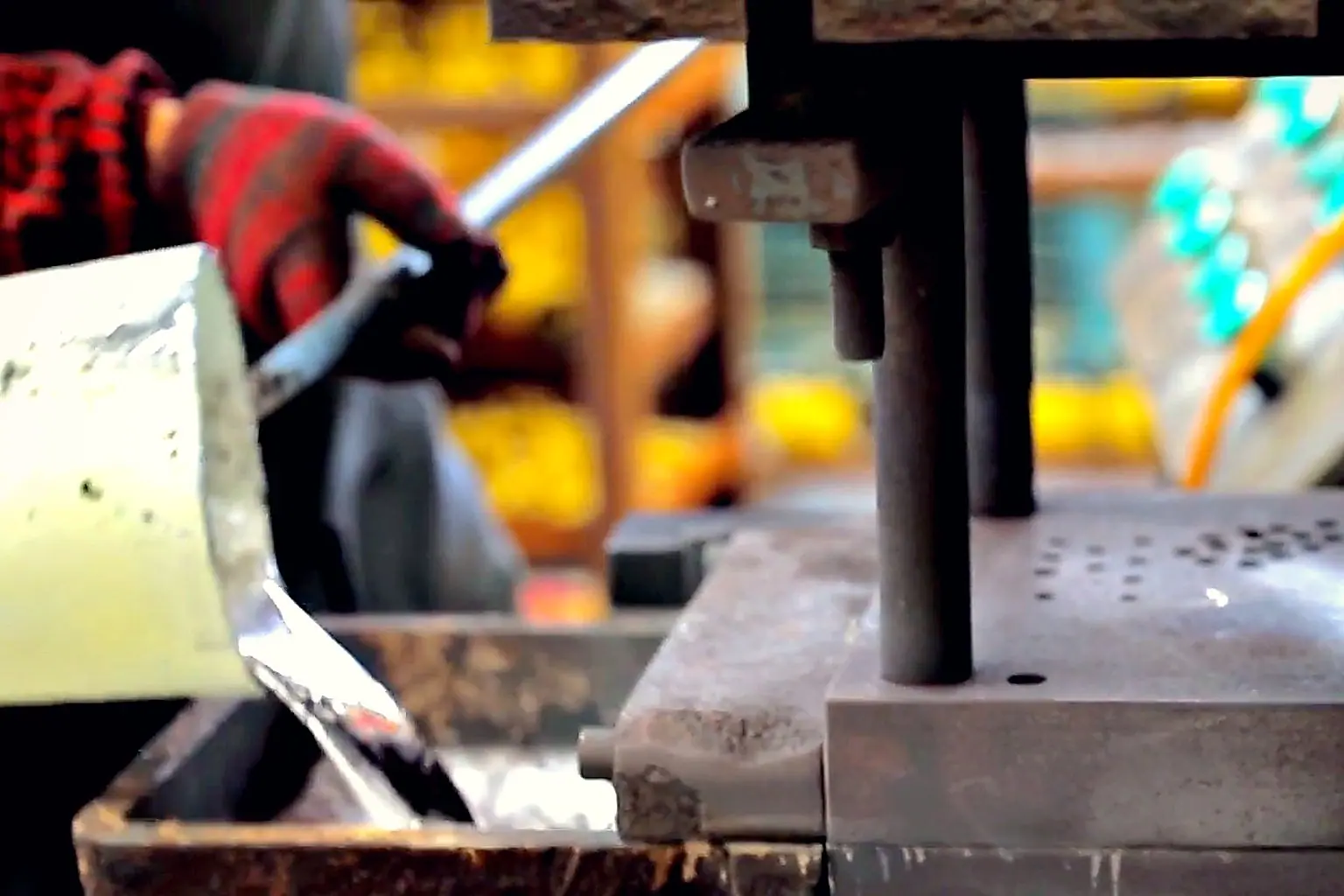
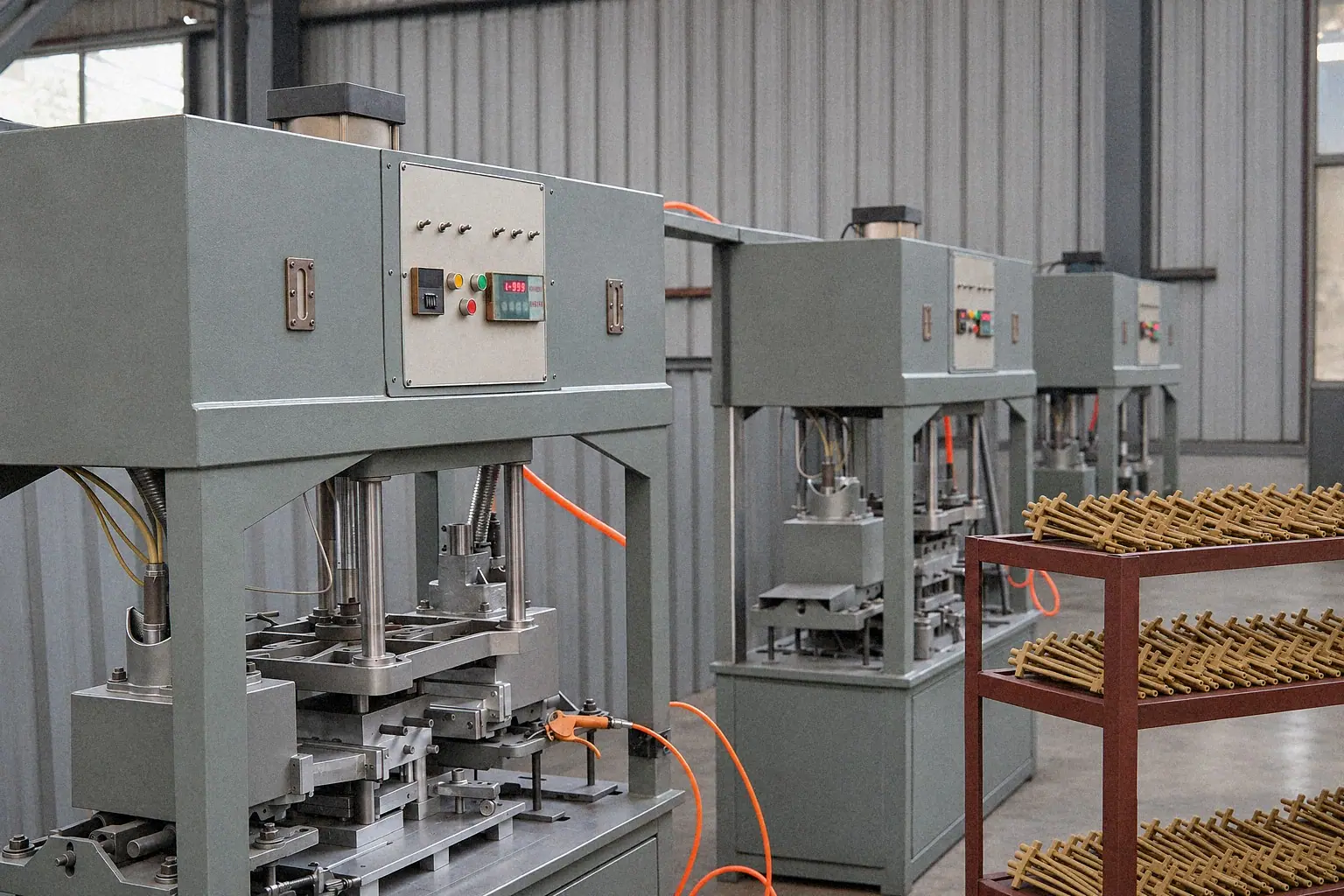
Gravity casting and tilt-pour casting are our primary processes. We operate 32 tilt-pour machines and 10 vertical gravity casting machines. Our factory also has 10 hot-box core shooting machines. Some tilt-pour castings use sand cores for internal cavities.
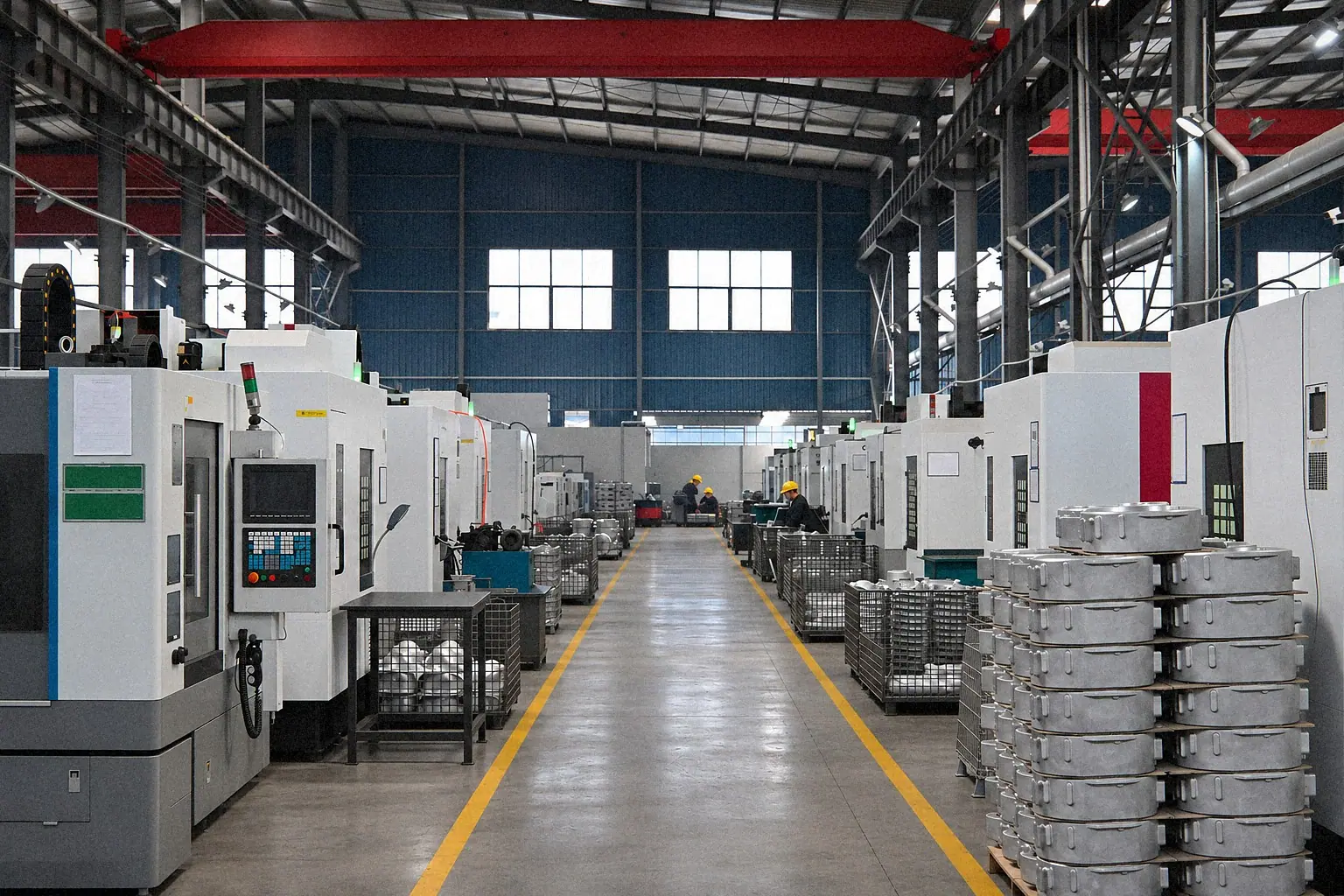
Our machining equipment includes 16 vertical machining centers. Tooling is designed and made in-house.
Review the tilt-pour casting equipment and manufacturing scope alongside your passage layout. Send your passage layout so we can review the process and tooling against your outlet drawing.
Define passages, joints and sealing faces
Send a revision-controlled 2D drawing and 3D model that describe the outlet's interfaces. Mark the features to be cast and the features to be machined.
| Drawing area | Information to supply | Scope to resolve |
|---|---|---|
| Internal passages | Sections, bends, intersections, wall requirements and core-access constraints | Core layout, core removal and inspection access |
| Hose or pipe connection | Joint geometry, clamp location, assembly loads and mating-part information | Cast surfaces, machined surfaces and joint inspection |
| Flange or cover interface | Seal or gasket arrangement, datums, flatness and surface finish requirements | Machining stock, fixture location and final measurement condition |
| Mounting points | Bolt pattern, hole or thread requirements, ribs and installation clearances | Machining access and relationship to the sealing datum |
| Material and service | Required alloy and temper, coolant compatibility, service temperature and pressure conditions | Material specification and verification requirements |
State the units for every dimension and test value. Identify the edition of each required material or test standard. Include the required material, dimensions and performance in your outlet drawing package so we can review them together.
Set the leak-test acceptance conditions
Specify the test method, pressure, duration, test stage and acceptance rule before quotation. Operating pressure and inspection pressure are separate inputs.
At Bohua
Air-under-water immersion is our leak-test method, with test pressures of 3 bar or more. The pressure, fixture and acceptance conditions for your outlet must be agreed during drawing review. Impregnation is used only with customer approval and is performed by a qualified external supplier.
- Identify the ports to seal and the surfaces that contact the test fixture.
- State the pressure basis, hold time, observation period and permitted bubble behavior.
- Specify whether testing is required before or after machining, plus the sampling plan and report format.
- Separate leak acceptance from internal-cleanliness requirements. Define washing, drying, residue limits and port protection if required.
- State whether impregnation is permitted and what retesting is required after it.
Use the pressure-tight casting manufacturing page for the broader testing scope. State your outlet's required operating rating separately from the inspection pressure so we can review the test conditions for your project.
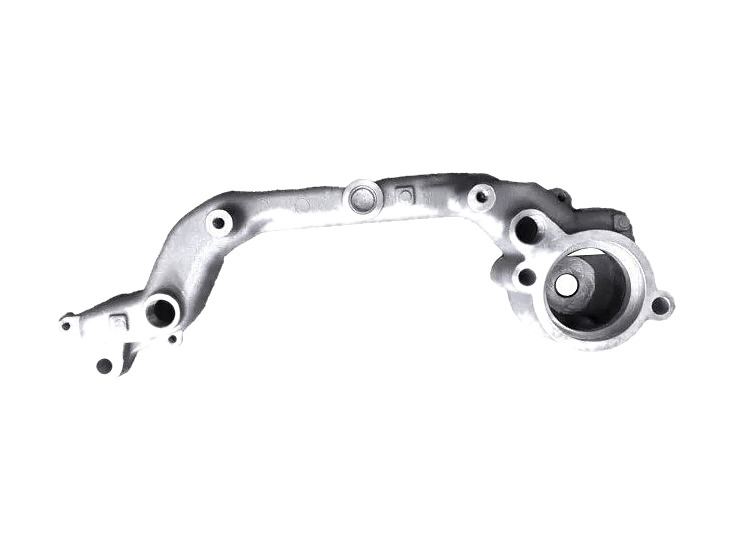
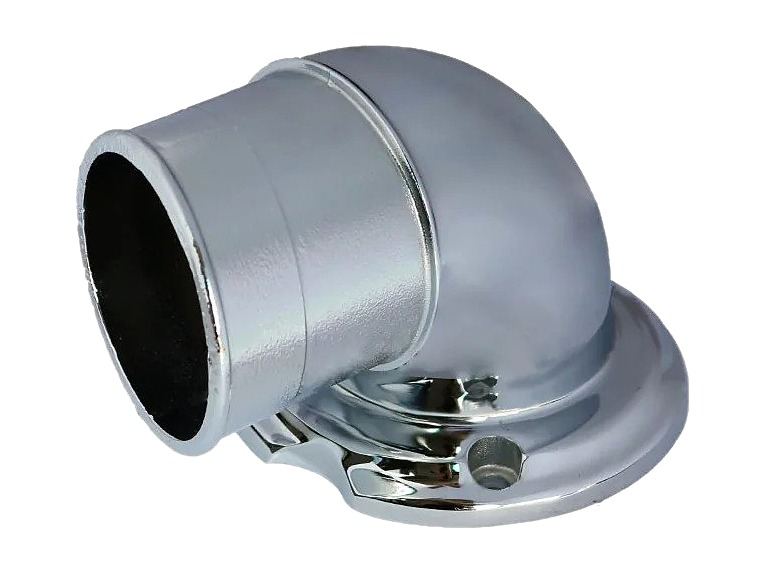
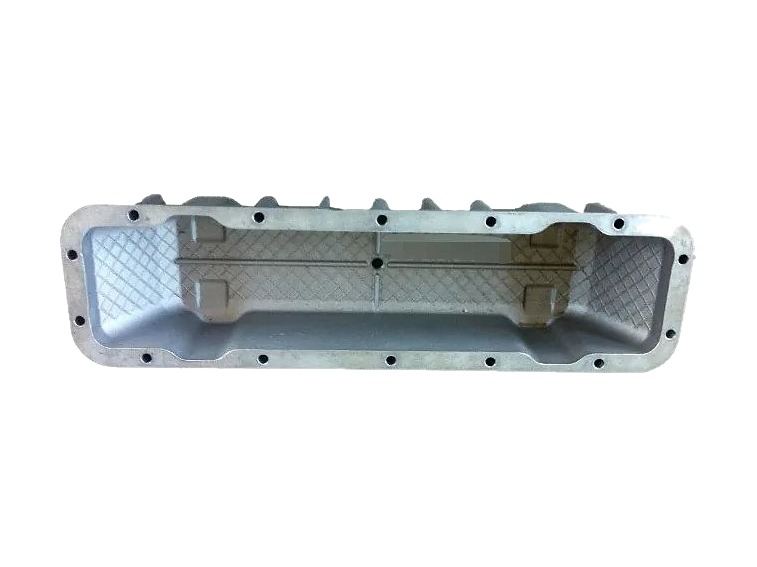
Cast-part examples
These are examples of aluminum parts made at Bohua. Customer logos and part numbers are masked. Use the geometry for discussion; your drawing defines the outlet specification.
Prepare the outlet RFQ package
Combine the drawing files with the inspection and delivery requirements so the quotation covers the finished part you need.
- Define the part. Include 2D and 3D files, revision, assembly context, alloy and temper requirements.
- Define the work. List tooling status, casting and machining scope, sealing interfaces, test conditions and requested records.
- Define the order. Give sample quantity, annual demand, batch pattern, target timing, destination and packaging requirements.
At Bohua, orders are quoted by annual volume; small batches are negotiable. Use the casting RFQ form to provide the project requirements.
For other component families, browse aluminum casting applications. For engine air passages, use the intake manifold manufacturing review.
Send your outlet passages and sealing requirements
Share the drawing, joint details, leak-test requirement and annual volume for an engineering review. Not sure which process fits? Tell us what the part must do. In a free drawing review, our engineers recommend a process and suggest design changes where needed.
Send your drawing →