Ningbo Bohua Mechanical Parts Co., Ltd. · Linda, Export Sales · linda@ningbobohua.com · www.bohua-casting.com
Application
A356-T6 Castings for Fire Nozzles and Fire Pumps
A fire nozzle casting, gated wye body, or portable fire pump volute needs a defined pressure boundary and finished sealing surfaces. Assign the casting leak check and the equipment hydrostatic test separately. A356-T6 is a starting point when the equipment drawing permits it. Confirm the exact alloy and temper for the chosen casting process.
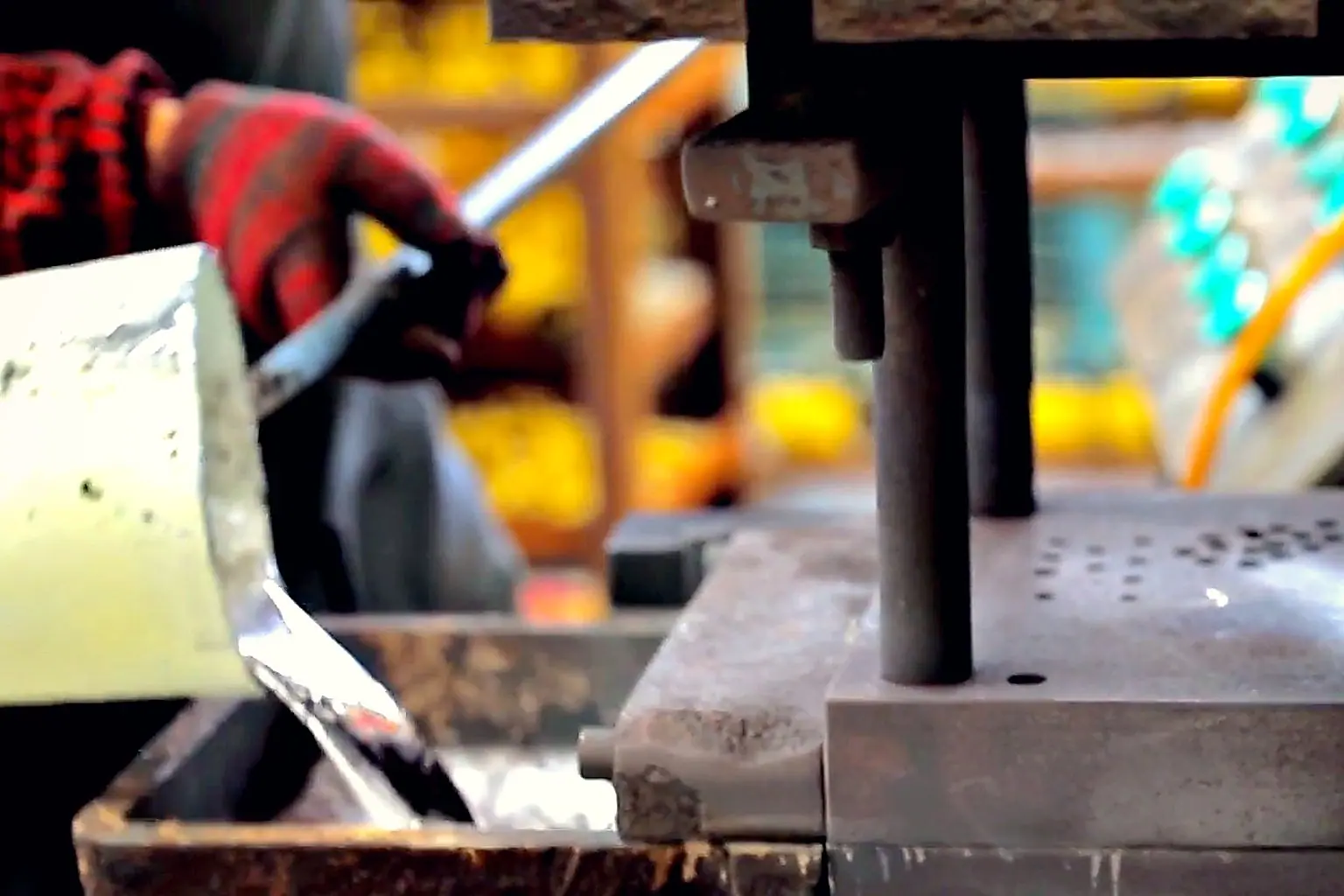
What should a fire nozzle casting drawing control?
Control the machined interfaces and the metal around the waterway. Mark the pressure boundary before selecting the casting route. Give the foundry a component inspection plan and assign functional tests to the equipment maker.
| Casting | Drawing priorities | Split the inspections here |
|---|---|---|
| Fire nozzle body | Inlet thread, valve seat, and waterway wall | Check casting dimensions and external leaks. Verify shutoff, spray pattern, and flow on the assembled nozzle as specified. |
| Gated wye casting | Branch junction, gate seats, and actuator bore | Check the body for external leakage. Check shutoff at each assembled gate. |
| Portable fire pump volute | Cover register, gasket land, and impeller clearance | Check the machined housing. Assign the specified pump hydrostatic and performance tests to the equipment maker. |
For sourcing by casting type, see aluminum pump housing manufacturing and aluminum valve body manufacturing.
Which tests belong to the casting supplier?
Quote the drawing-defined inspection of the supplied casting. Assign proof, shutoff, flow, and spray tests to the party responsible for the specified test article. The equipment maker selects the applicable standard, edition, and assembled equipment tests.
| Check | Test article or feature | Acceptance input |
|---|---|---|
| External leak screen | Casting with the openings closed by an agreed fixture | Medium, pressure basis, observation time, and the agreed visual acceptance rule for an immersion check |
| Hydrostatic proof test | Component or assembly identified by the purchase specification | Specified pressure and hold, test configuration, and failure criteria |
| Gate shutoff check | Assembled gated wye with production seals and gates | Which outlet is blocked and how to assess leakage past each seat |
| Nozzle or pump performance test | Assembled nozzle or pump | Specify nozzle flow and spray behavior or pump flow and head as applicable |
NFPA 1960 (2024) incorporates NFPA 1964 (2018), the former standalone standard for spray nozzles and appliances. Identify the adopted edition and the checks that apply to the assembled nozzle or wye. NFPA 1900 (2024) incorporates NFPA 1906 (2016) for wildland fire apparatus. For a separately purchased portable pump, use the procurement specification to identify the required hydrostatic and performance checks. Put the test article, pressure, hold time, and acceptance criteria from the project specification in the RFQ.
An immersion check locates visible leaks under agreed conditions. If the order requires a measured leak rate, specify a method and acceptance limit for that measurement. See the leak-tight casting inspection page.
How much impeller clearance remains after assembly?
Check the worst-case clearance with the cover and impeller located from their released datums. Measure opposing limits in the same direction and at the same point in the assembly.
Worked example. In this hypothetical volute, both parts can move toward each other at their drawing limits. The remaining clearance is 1.10 − 0.20 − 0.35 = 0.55 mm (0.0217 in). Compare that result with the specified minimum of 0.65 mm (0.0256 in). The stack falls short by 0.10 mm (0.0039 in).
| Drawing input or result | mm (in) |
|---|---|
| Nominal assembled clearance | 1.10 (0.0433) |
| Maximum inward cover movement | 0.20 (0.0079) |
| Maximum impeller movement toward cover | 0.35 (0.0138) |
| Worst-case clearance | 0.55 (0.0217) |
| Required minimum in this example | 0.65 (0.0256) |
Resolve the stack before releasing the tooling. Validate running clearance under the required service conditions separately.
Can the first release start in sand or gravity casting?
Yes, when the drawing and qualification plan allow it. Sand casting can suit a volute with an internal core or a geometry that may change. For a stable nozzle or wye design, evaluate tilt-pour gravity casting with a permanent mold. These routes allow a first release without a high-pressure die-casting tool. Ask the equipment maker which tooling or process changes require renewed approval.
Use the exact alloy, temper, and test specimen specified by the purchase order. ASTM B108/B108M-19 lists permanent mold A356.0 under T61. Check which row applies to your order, since separately cast specimens and specimens taken from the casting have different rows. ASTM lists B108/B108M-25 as active. If the order calls for the newer edition, verify its requirements before release. See the T6 heat treatment guide for aluminum castings.
At Bohua
We cast and machine aluminum pump housings and valve bodies in batch production. The drawing review is free. We quote against annual volume, and small batches are negotiable. We plan on 5–6 weeks from drawing confirmation to first article. We make tooling and run T6 heat treatment in-house.
We cast A356 and ZL114 by gravity and tilt pour. We run gravity casting including tilt pour, low-pressure casting, and sand casting in-house. Our in-house die casting runs on two machines rated at 280 t and 450 t for small and medium parts. We assess larger casings for gravity, tilt-pour, low-pressure, or sand casting.
We use air-under-water immersion at 3 bar or more to screen castings for leaks. The part drawing sets the required test pressure. The equipment maker defines and validates the finished nozzle, wye, or pump tests.

How should you write the fire casting RFQ?
Label the waterway, closure faces, and pressure boundary on the section view. For a pump housing, mark the cover register, gasket land, and impeller position from the controlling datum. Identify where to measure the finished wall and where inspection needs access. For a nozzle or wye, highlight the port threads, seat finish, and the allowed condition of the seat edges.
Start with the pressure-tight casting RFQ. Give the alloy, temper, drawing revision, and quantities. Then email the drawing and test specification to linda@ningbobohua.com for a free drawing review. Show the fixture contact areas and list the test medium, pressure basis, hold time, acceptance rule, and required records. Assign each proof or functional test in the purchase documents.
For U.S. imports, duties can differ substantially between machine parts and aluminum articles under heading 7616, so see the U.S. casting tariff guide and ask your customs broker to verify each item.
Fire nozzle and pump casting questions
Review the test boundary at the same time as the machining drawing so the quote covers the intended casting condition.
Does the alloy name set the pressure rating?
No. Geometry, finished wall, joints, and the specified validation determine what the equipment maker can rate.
Should the casting leak screen follow final machining?
It depends on the drawing. Specify the delivery stage and consider a screen after final machining where a bore or face can expose a leak path.
Does a body leak screen measure gate shutoff?
No. Specify shutoff with the gate and seals assembled. The body screen checks for leakage through the casting boundary.
Can I quote a portable fire pump volute by itself?
Yes. Include the cover and impeller interfaces, even when the quote covers the volute alone. State who performs the complete pump tests.
Start a pressure-tight casting RFQ
Send the waterway drawing, machined interfaces, and separate testing requirements for the casting and finished equipment. Submit the RFQ details, then email your drawing for review.
Send your drawing →