Ningbo Bohua Mechanical Parts Co., Ltd. · Linda, Export Sales · linda@ningbobohua.com · www.bohua-casting.com
Application
Aluminum Robot Actuator Housings and Arm Castings
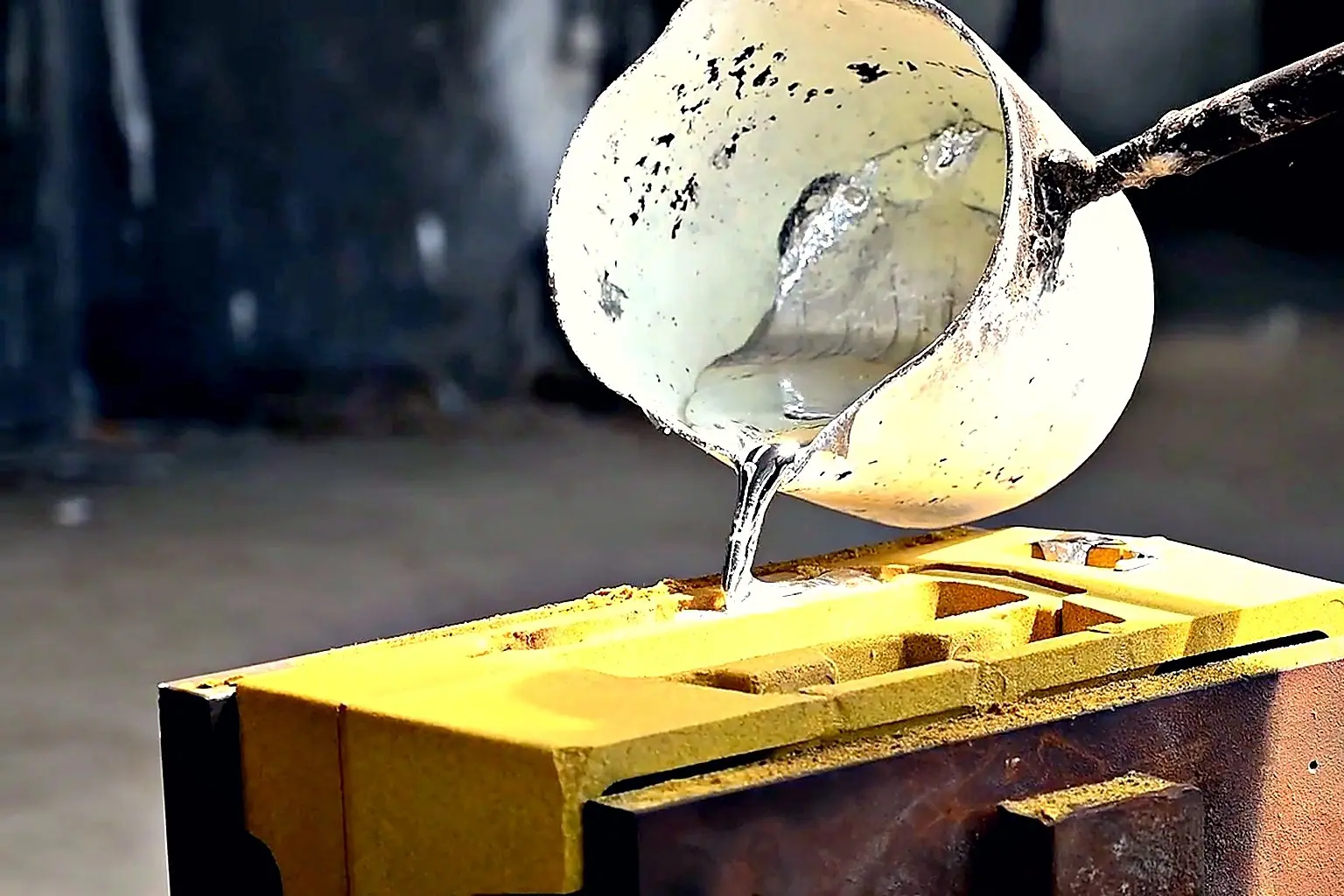
Sand or gravity casting can suit aluminum robot actuator housings, cobot joint housings, and robot arm links in small batches. Compare low-pressure casting when the geometry and repeat volume warrant dedicated tooling. Bohua can hold selected critical machined dimensions to ±0.02 mm (±0.0008 in), its machining limit. Specify bearing seat size, form, and alignment separately.
Which robot joints and arm parts are candidates for casting?
Aluminum robot actuator housings, cobot joint housings, and ribbed arm links can use sand or gravity casting when the shape and loads suit the process. Locate the load path first. Allow machining stock at bearing seats, reducer pilots, and faces that control alignment.
| Part | What the casting carries | What to finish or verify |
|---|---|---|
| Cobot joint housing | Bearing bosses, a reducer flange, and cable openings | Bearing seat diameter and form, reducer pilot, and locating face |
| Humanoid robot actuator housing | Motor and gear supports, a heat path, and connector features | Motor and gear alignment, seal interfaces, and connector clearance |
| Robot arm casting | Ribs and end bosses that transmit loads between joints | Joint interface position, assembly access, and drawing-defined load checks |
| Joint cover or end cap | Closure around cables, seals, or a bearing shoulder | Mounting faces, seal groove, and thickness where it sets the axial stack |
Keep the load path visible in the model or an assembly section. Show where the reducer transfers torque into the housing and where the link connects to the next joint. Identify surfaces that need electrical or thermal contact so they can be reviewed with the structural features.
When should you start with sand, gravity, or low-pressure casting?
Consider sand casting for a small or changing release. Compare gravity and low-pressure casting when geometry and repeat demand warrant permanent tooling. Use the same finished drawing when comparing a machined blank with a casting.
| Route | When to review it | What to resolve first |
|---|---|---|
| Sand casting | Small releases or design changes are expected | Core access, machining stock, and a fixture that supports the part without distorting it |
| Gravity casting, including tilt-pour | Repeat geometry may justify a permanent mold | Mold release, parting line, boss and rib transitions, and steady machining references |
| Low-pressure casting | The geometry calls for a controlled fill and the order may justify dedicated tooling | Wall transitions, feed path, and how to verify critical areas after casting |
Discuss the low-pressure aluminum casting process against your actual housing geometry. If the drawing specifies T6, use the T6 heat treatment guide to align the material and inspection stages.
How do you calculate and verify a bearing seat fit?
Select the seat fit with the bearing maker using the housing material, load direction, and operating temperature. Specify bore size, form, and position to the locating datums. Review a shared machining setup for the seat, shoulder, and reducer pilot when their alignment controls assembly.
| Input or result | Size or clearance in mm (in) |
|---|---|
| Housing bore limits | 50.010 to 50.050 (1.9689 to 1.9705) |
| Bearing outer ring diameter limits | 49.990 to 50.000 (1.9681 to 1.9685) |
| Minimum diametral clearance | 50.010 − 50.000 = 0.010 (0.0004) |
| Maximum diametral clearance | 50.050 − 49.990 = 0.060 (0.0024) |
These are hypothetical sizes, and the inch values are rounded reference equivalents. Subtract the outer ring diameter from the bore diameter to check the fit across the size limits. Positive values indicate clearance. Negative values indicate interference. The example covers cold diametral clearance at the housing interface. Check the bearing’s internal clearance separately under operating conditions. Review the installed fit with the bearing maker, including housing stiffness and thermal expansion.
At Bohua
The drawing review is free. Bohua uses your assembly requirements to suggest a casting route and identify areas for drawing changes. Small batches are negotiable. Include initial and expected repeat demand for the review.
At Bohua
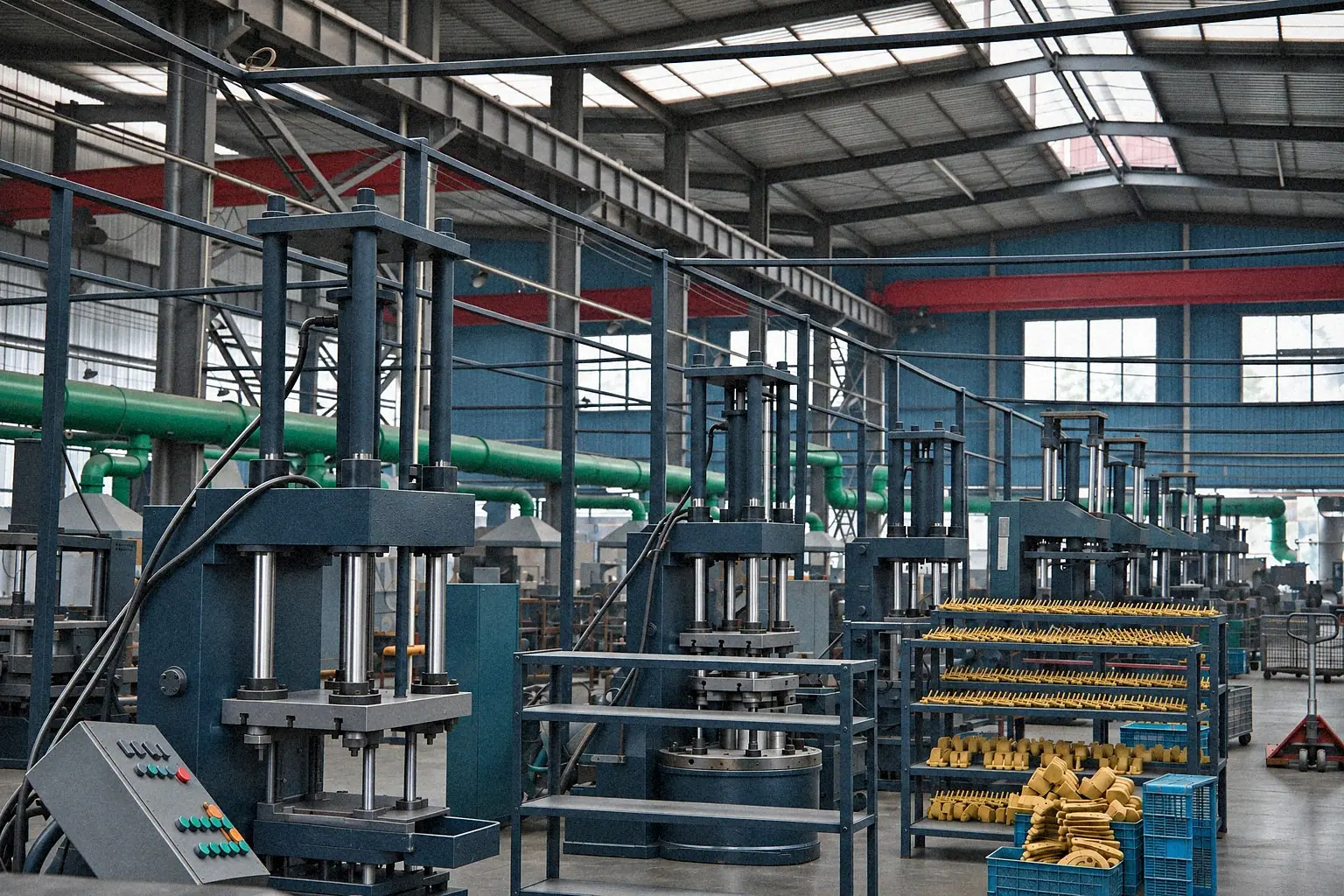
Bohua offers in-house gravity, low-pressure, and sand casting for aluminum batch production, plus die casting on two machines rated at 280 t and 450 t. Gravity and tilt-pour castings use A356 and ZL114. Bohua designs and makes its molds in-house. The interval from drawing confirmation to first article is 5–6 weeks.
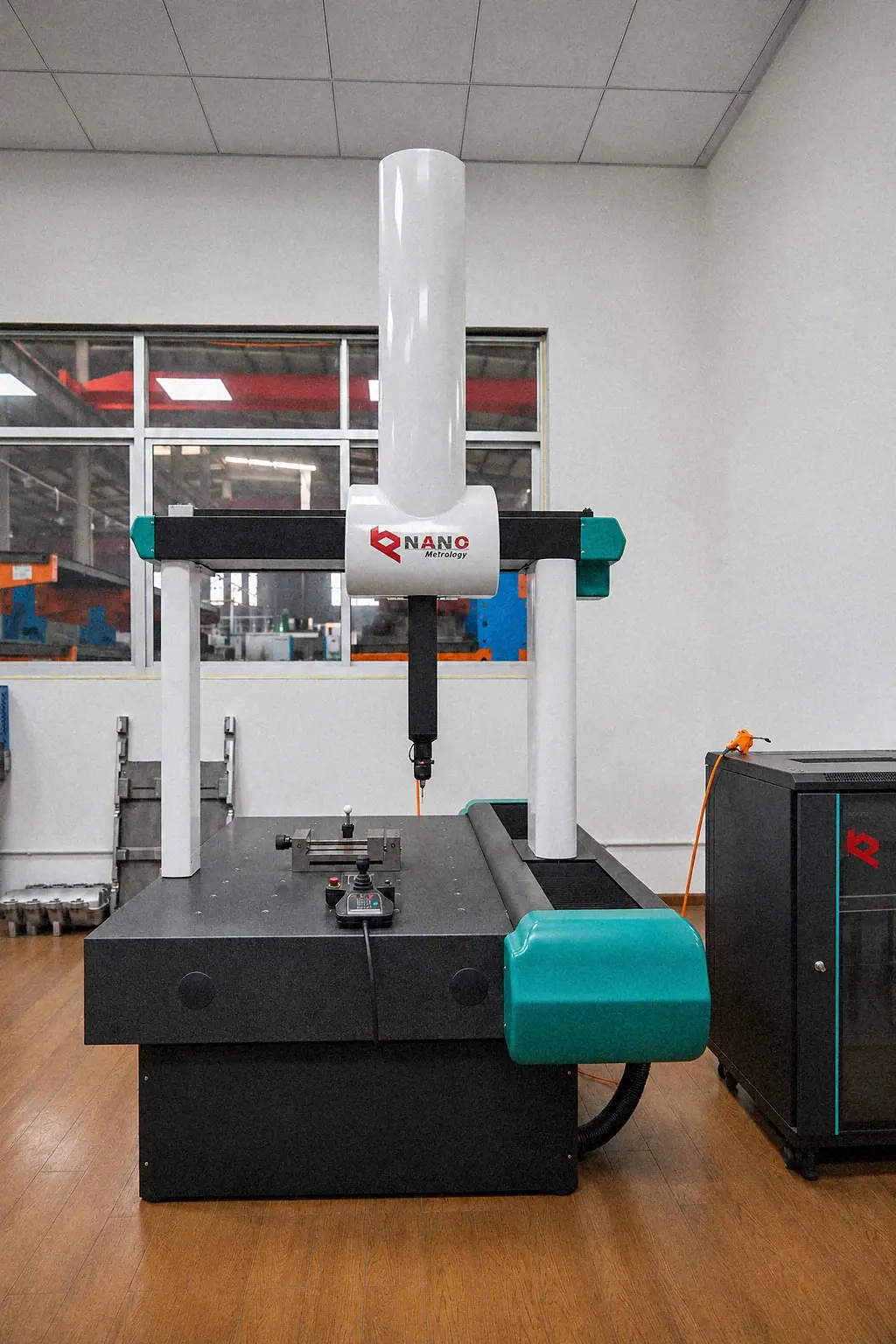
The factory offers T5 and T6 heat treatment and has 16 vertical machining centers. Bohua can hold selected critical machined dimensions to ±0.02 mm (±0.0008 in, rounded). That figure is the machining limit for individual critical dimensions; ±0.005 mm work is outside its capability. Bore form and alignment have separate drawing requirements and need their own review. Bohua has coordinate measuring machines for dimensional inspection.
What goes into a robot actuator housing RFQ?
Send the finished model, drawing revision, and a joint section through the bearing, reducer, and motor. Mark the locating datums and required register, bore, and shoulder geometry. Identify where a fit must hold after heat treatment, coating, or assembly. Name the dimensioning standard and edition your drawing uses. For example, use ASME Y14.5-2018 (R2024) if that is the project baseline.
List the bearing limits, torque and load requirements, temperature range, alloy and temper, and which faces must remain accessible to cutters and gauges. Set the inspection condition for thin-walled parts, including whether the part is free or held in a specified fixture. Use the CMM inspection guide for cast aluminum parts to define the report. For similar motor interfaces, see the machined motor housing manufacturing page.
U.S. duties can differ substantially between machine parts and other aluminum articles under heading 7616, so use the U.S. aluminum casting tariff guide to prepare for a part-by-part classification and duty check with your customs broker.
Robot actuator housing questions
Define the joint geometry, fit, and acceptance checks before committing to the casting route.
Can a cast joint housing ship with bearing seats ready for assembly?
Send the bore, form, and alignment limits for each seat. For tighter requirements, define any stock to leave for a separately specified finishing step and identify who accepts the finished fit.
Can a small batch use the same drawing as later production?
Keep the functional acceptance requirements fixed. Review the stock, datums, fixtures, and verification plan when you change the casting route.
What matters most on a robot arm link?
Show the loads and specify the relative location of the joints. Mark the interfaces that control alignment and areas where the wall or rib geometry carries bending and torque.
How do I request a review for a cobot or humanoid joint?
Enter your joint requirements to request a free drawing review. Email the drawing and an assembly section showing the bearing and reducer interfaces to linda@ningbobohua.com after submitting the project details.
Request a free robot housing drawing review
Enter the load, bearing limits, and expected quantities on the quote page, then email the drawing and joint section. Submit the RFQ details, then email your drawing for review.
Send your drawing →