Ningbo Bohua Mechanical Parts Co., Ltd. · Linda, Export Sales · linda@ningbobohua.com · www.bohua-casting.com
Application
Aluminum Power Electronics Housings for Inverters, OBCs, and DC-DC Converters
Inverter housing die casting suits compact, open enclosures at steady volume when the die fits the press. For an enclosed coolant jacket, compare gravity and low-pressure casting with a removable core. Check the finished wall below blind holes and specify a coolant test after machining where cuts affect the jacket.
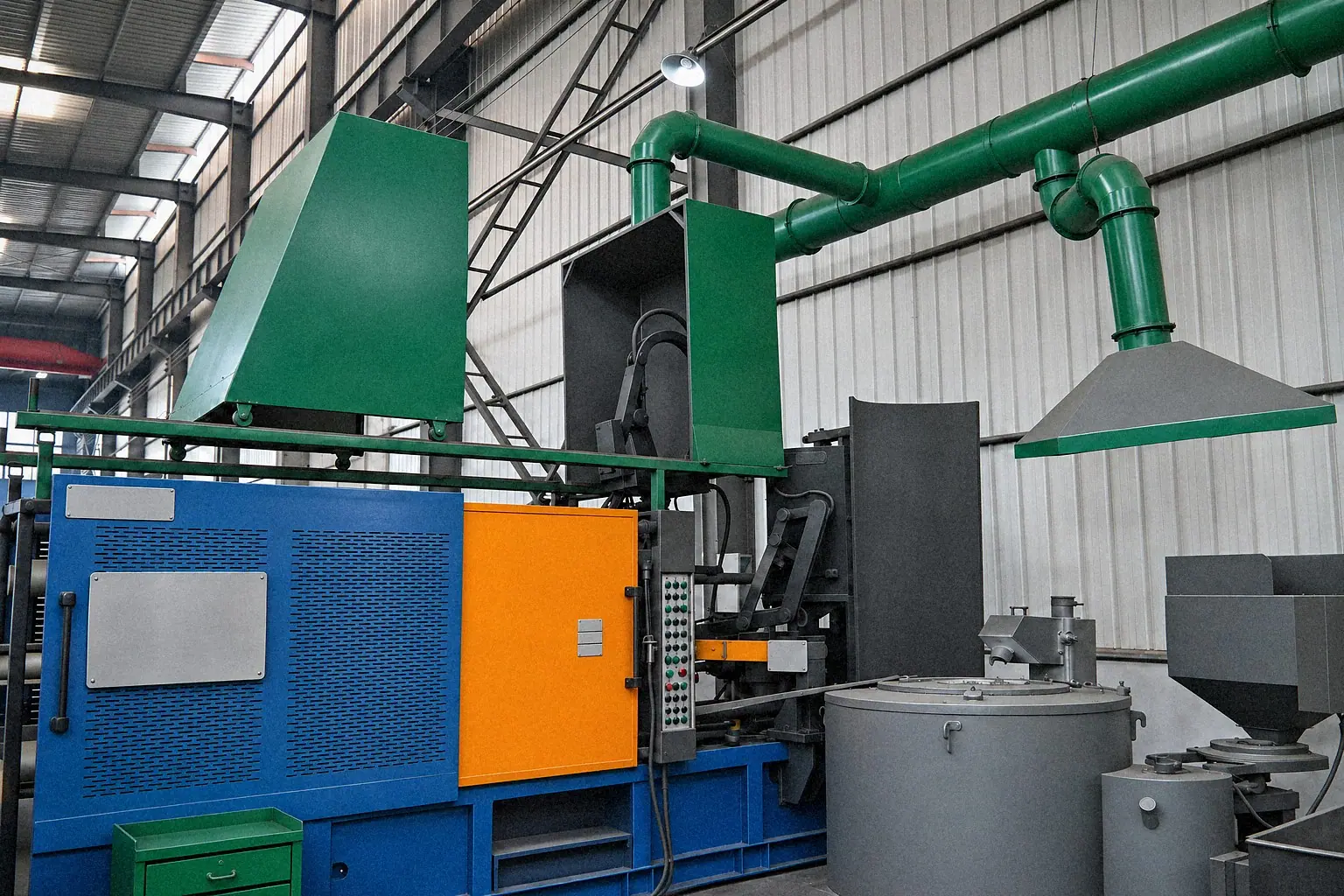
When does inverter housing die casting make sense?
Quote high-pressure die casting for a compact, open enclosure at steady demand. Compare gravity or low-pressure casting when the base contains an enclosed coolant jacket. Decide where the liquid boundary sits before releasing the enclosure model for tooling.
| Housing design | Route to evaluate | Decision input |
|---|---|---|
| Open inverter, on-board charger (OBC), or DC-DC shell | High-pressure die casting for compact ribbed parts with steady repeat volume. | Projected area, shot size, die envelope, and release of bosses and connector features. |
| Air-cooled storage or fast-charging module | Die casting for a compact, repeat enclosure. Compare gravity casting if the envelope or section layout makes the die route impractical. | Fin release, airflow, mounting flatness, and the machined thermal interface. |
| Liquid-cooled inverter housing with an open channel and lid | Compare a die-cast or gravity-cast base with a separate closure. | Lid joint footprint, seal compression, screw locations, and the final test stage. |
| Closed coolant jacket beneath an electronics deck | Compare cored gravity and low-pressure casting. Consider sand casting if the geometry or release volume calls for it. | Core support, cleanout access, clearance to drilled features, and checks for leakage into the dry cavity. |
See the aluminum die-casting process for die and press inputs. A press rating gives the clamping force. Check platen and tie-bar clearance, die opening, slide travel, and the weight of all metal injected in one shot. Ask for a review of the total projected area in the die opening direction with the proposed cavities, runners, and overflows.
Source for press sizing terminology: North American Die Casting Association, Frequently Asked Questions, undated.
What changes when the enclosure carries coolant?
Quote the cooling architecture as part of the housing. With a separate cold plate, specify the thermal contact to the housing and the cold plate fluid test. An open cast channel adds a lid joint to the test boundary. An integral cored jacket calls for core supports, cleanout access, and verification of the finished metal between the coolant and electronics.
For a cored jacket, mark where the core can rest and where the foundry can clear the sand. Show the footprint beneath the heat-producing components. Keep blind threads and machined pads away from the fluid boundary unless the drawing provides a controlled wall between them. For a separate cold plate, agree how the thermal pad sits and which part carries the pressure acceptance test.
| Interface | Acceptance input |
|---|---|
| Module mounting pad | Flatness, finish, and machining condition. Identify where the thermal interface material contacts the pad. |
| Coolant boundary | Minimum wall to machined features, test medium and pressure, duration, and pass criterion. State whether the fixture monitors the dry cavity. |
| Cover or cold plate joint | Seal groove, land, fastener pattern, and the stage at which the joint is checked. |
| Bonding and connector surfaces | Coating mask, bonding land, and connector clocking. Assign completed assembly verification to the equipment maker. |
Use the cast aluminum heat sink design guide for thermal surfaces and the casting leak test scope for pressure-boundary inputs. If the enclosure shares interfaces with a drive motor, see the motor housing manufacturing page.
For casting methods, see European Aluminium, Aluminium Automotive Manual, Manufacturing: Casting Methods, version 2002. For cooling at the heat source, see the U.S. Department of Energy, Power Electronics Research and Development, undated.
How much metal remains under a blind hole?
Check the remaining wall at the deepest machined point over the jacket. In this example, the nominal gap and both adverse variations are measured in the same direction on one section.
| Stack input or result | Distance, mm (in) |
|---|---|
| Nominal gap from drill tip to channel | 4.0 (0.157) |
| Core shift toward the hole | 0.6 (0.024) |
| Extra drill depth toward the channel | 0.4 (0.016) |
| Minimum remaining wall if both variations occur together | 4.0 − 0.6 − 0.4 = 3.0 (0.118) |
The result applies to this section and these example inputs. For the released design, account for drill-tip geometry, datum variation, and any pad machining that changes the gap. Check nearby sections if the channel curves or the hole approaches it at an angle. Set the required wall with the product designer and agree how to verify it. A finished leak test checks for a leak path under the specified conditions. Inspect the wall separately if its thickness is an acceptance requirement.
At Bohua
Bohua offers free drawing review for power electronics castings. Share the coolant section and the finished machining model so we can suggest a process and any design changes.
Press fit, tooling, and finished casting checks
We run in-house gravity casting including tilt pour, low-pressure casting, sand casting, and die casting on two machines rated at 280 t and 450 t. Die casting is for small and midsize parts that fit the proposed tool and press. We assess larger enclosures for gravity, tilt pour, low pressure, or sand casting and decline parts outside those routes. Our gravity and tilt-pour castings use A356 and ZL114.
We design and build molds. Our mold life estimates are about 20,000–50,000 shots for GB 45 carbon steel and about 100,000 shots for H13 with prescribed maintenance.
CNC machining and casting leak checks are on the same site. We check casting leaks by air-under-water immersion at 3 bar or more. Specify the part's own test pressure on the drawing.
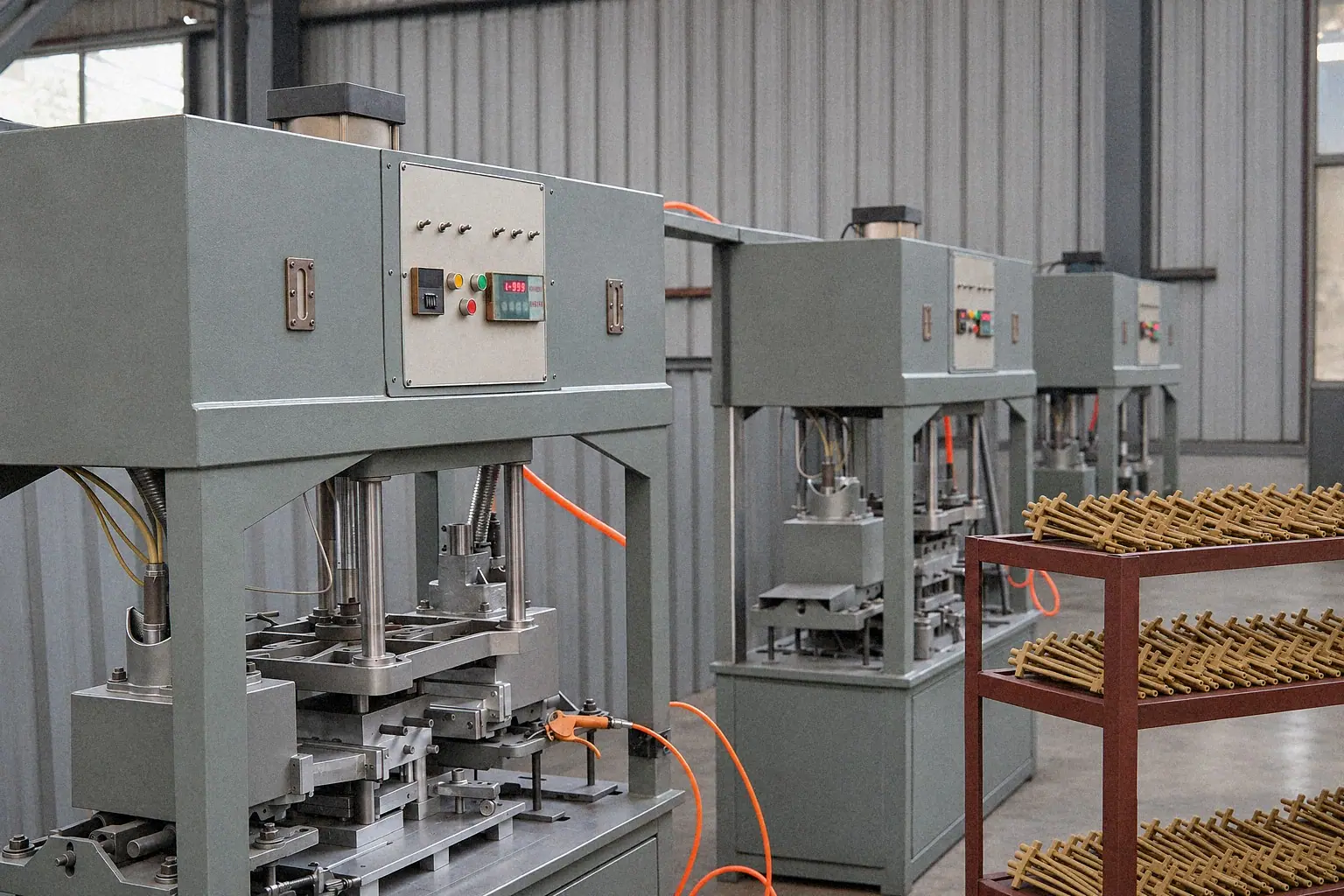
What should an inverter or OBC housing RFQ include?
Send the housing model, a section through the coolant circuit, and the finished drawing. Mark dry and wet sides, port threads, seal lands, bonding surfaces, and module pad geometry. State the expected annual volume and release sizes. Request matched quotes for tool design, cavity count, machining, and acceptance tests.
If your design starts with an A356-T6 callout, ask the gravity and low-pressure bidders to state the proposed alloy, temper, and test specimen. For ASTM B108/B108M-19 aluminum permanent mold castings, the A356.0 rows use T61. Identify whether the order requires separately cast specimens or specimens taken from a casting. B108/B108M-25 is the active edition. Check the applicable row and specimen requirements in the edition you put on the order.
Send your housing drawing for a free drawing review. Include a section through the blind holes and coolant channel so the drawing review can address the remaining wall.
U.S. duty can differ substantially between machine parts and other aluminum articles under heading 7616, so use the U.S. aluminum casting tariff guide and have a customs broker check classification and duty part by part.
Power electronics housing casting questions
Set the cooling boundary, finish requirements, and test stage before comparing enclosure quotes.
Can an OBC housing with a separate cold plate be die cast?
Yes, if the enclosure fits the tool and press and its alloy meets the drawing. Check the tolerance stack at the thermal contact and define the cold plate's own fluid test.
Does a cored jacket always require low-pressure casting?
No. Compare gravity and low-pressure layouts for fill, core support, and cleanout. Check the minimum wall after machining on the selected route.
Does passing a coolant leak check prove the enclosure's ingress rating?
No. The coolant test checks the specified fluid boundary. The equipment maker verifies ingress protection on the assembled enclosure.
Can two similar converter housings share a tool?
It depends on the blank geometry, material, and release mix. Compare a common blank with separate machining against a family die and dedicated tooling. Verify cavity balance and machine fit before locking the tool.
Send your housing drawing for a free drawing review
Include a section through the coolant circuit and mark the machined mounting and sealing surfaces. Submit the RFQ details, then email your drawing for review.
Send your drawing →