Ningbo Bohua Mechanical Parts Co., Ltd. · Linda, Export Sales · linda@ningbobohua.com · www.bohua-casting.com
Application
Die-Cast Gas Regulator Bodies and Meter Cases
For gas regulator body die casting, mark the gas boundary on the finished drawing and set post-machining leak acceptance where required. Do the same for the gas meter case and keep test records by tool cavity. State in the RFQ whether impregnation is allowed and what retest applies.
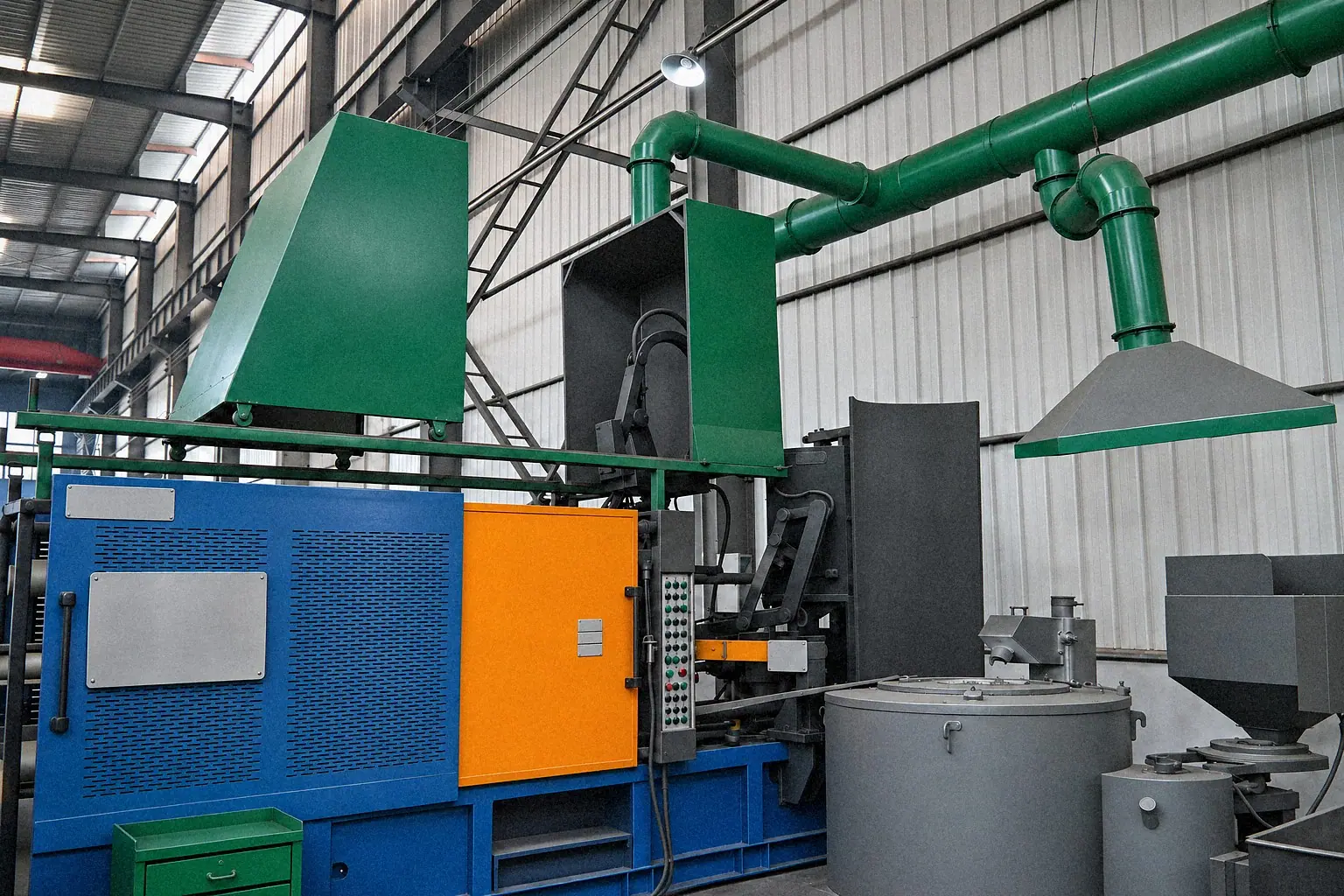
What keeps a gas regulator body or meter case leak-tight?
Define the gas boundary on the finished drawing. Give the regulator body and meter case separate acceptance criteria. A compact regulator body concentrates work around ports and valve seats. A meter case may have a long cover joint and a wider projected area.
| Casting or feature | What to protect in production | What the buyer should specify |
|---|---|---|
| Gas regulator body | Inlet and outlet port walls, seat pocket, and diaphragm joint | External leakage and any separate inlet-to-outlet isolation check |
| Diaphragm meter case | Cover flange, gasket land, and pipe connection bosses | Flange flatness and the closure condition for the case leak test |
| Rotary gas meter body | Port and case alignment plus critical internal machined features | Datums, machining limits, and cast or machined surfaces exposed to gas |
| Impregnation | Approval, traceability, and post-process acceptance | Whether allowed, which defects are eligible, and how to retest and document treated castings |
Where can die casting and machining open a leak path?
Inspect the finished through-wall boundary, especially around machined ports, threaded openings, and the cover joint. Machining can expose pores below the cast surface. An unbroken surface on the blank gives limited information about the finished part. Seal the openings as the test drawing specifies so fixture leakage can be distinguished from casting leakage.
On a regulator, show how the valve-seat pocket and cross holes relate to the pressure wall. On a meter case, show the joint faces and fastening sequence relevant to the fixture. Show the seal lands on the drawing so the tooling review can keep gate and ejector marks off those surfaces where practical. Position vents to let displaced gas escape as the die fills. See the die casting defect acceptance guide for drawing inputs.
Review high-pressure die casting for compact repeat parts. Multiple cavities can spread press time across more castings. Compare usable output and maintenance by cavity before committing to the layout. For the wider meter case, calculate fit using the complete projected area, runner and overflow layout, and expected cavity pressure. Review die space and access for side actions. Compare die casting and other routes using the same machined, tested delivery condition. Include trim work, seal-face machining, test fixtures, and insert maintenance in the comparison.
How should buyers compare leak results across cavities?
Track the tool cavity through machining and testing. Review first-pass leak results by cavity before combining them into a lot total. Check fixture sealing and the sequence of failures before changing gate, vent, or machining settings.
Worked example of tracing a suspect cavity
Assume a lot contains 200 castings from cavity A and 200 from cavity B. An investigation identifies a potential issue tied to cavity B. The buyer's containment plan allows a hold by cavity when records link each casting to its origin.
| Traceability available | Initial hold under the example plan | Castings held |
|---|---|---|
| Lot ID only | Both cavities | 200 + 200 = 400 |
| Verified cavity ID | Cavity B only | 200 |
| Difference | Fewer castings on initial hold | 400 − 200 = 200 |
Use the agreed hold and release rules before shipping any affected parts. Preserve the cavity ID through machining, leak testing, and any approved treatment. If the investigation points to a shared fixture or machining cause, expand the hold under the buyer's plan.
When does impregnation belong in the RFQ?
Address impregnation before tool release if the product specification permits treatment of connected porosity. State whether the buyer permits it, whether prior disposition is required, and which part conditions rule it out. Treat cracks, damaged threads, and out-of-tolerance seal lands according to the drawing's rejection criteria. Include the casting impregnation approval and retest requirements in the RFQ when relevant.
Specify the required records and protect the ability to trace treated parts. Repeat the agreed casting leak test after treatment and any remaining machining. The equipment manufacturer owns conformity assessment and assembly-level testing for the finished device.
For EU gas metering instruments, consult Directive 2014/32/EU, Annex IV (MI-002), as applicable at market entry.
At Bohua
At Bohua, the drawing review for a regulator body or meter case is free. Share the gas boundary and any limits on impregnation along with the expected releases. Our batch production includes casting and machining aluminum valve bodies.
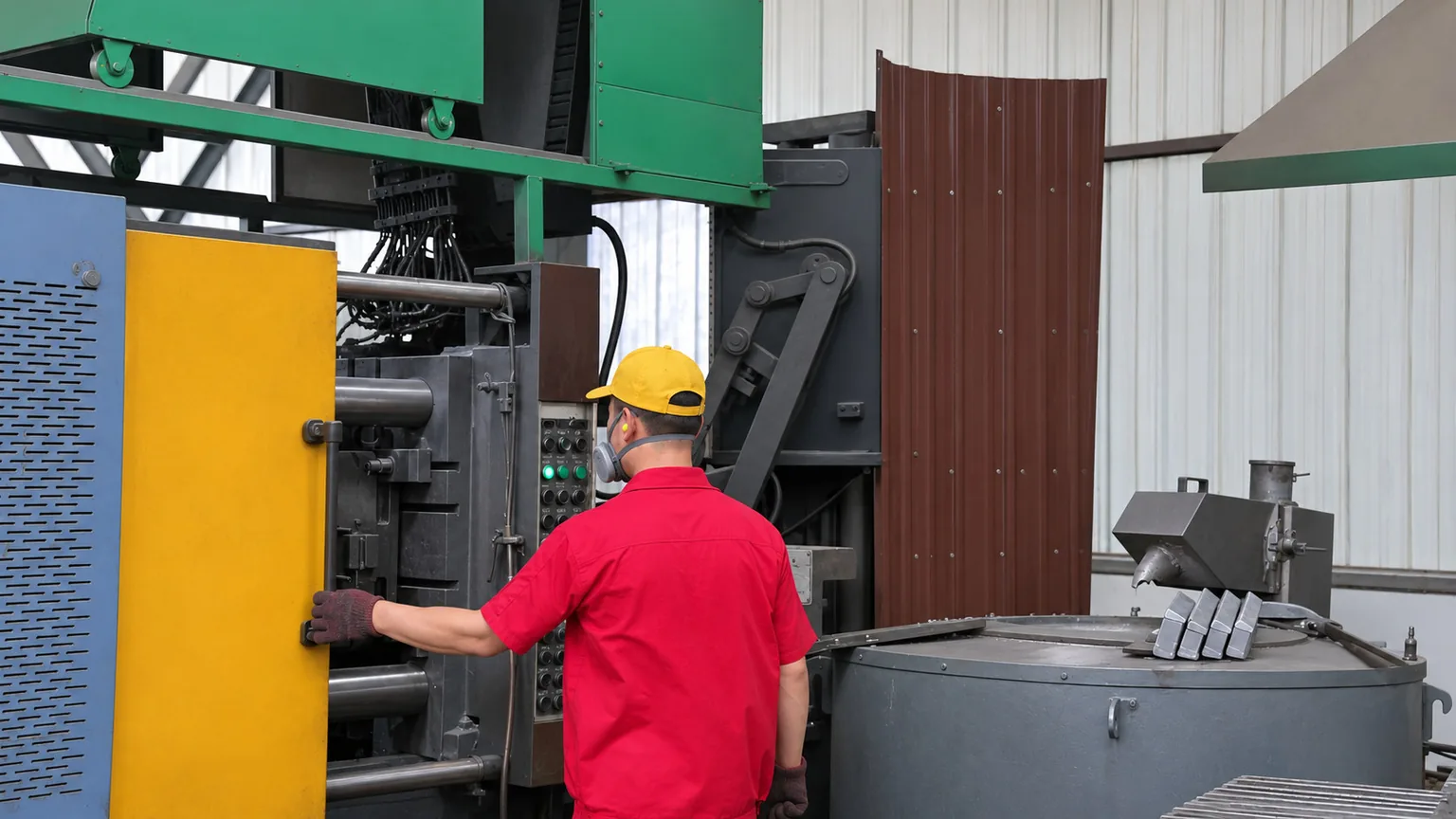
We run die casting on two machines rated at 280 t and 450 t. This limits the service to small and medium parts that fit the press and die. For larger parts, our in-house alternatives are gravity casting with or without tilt-pour, low-pressure casting, and sand casting. A design that still requires a larger pressure die falls outside our scope.
We design and make molds in-house. Our general mold planning figures are about 20,000–50,000 cycles for GB 45 carbon steel and about 100,000 cycles for H13 with prescribed maintenance. Estimate life for the proposed pressure die separately, using the meter case or regulator body geometry and its maintenance schedule.
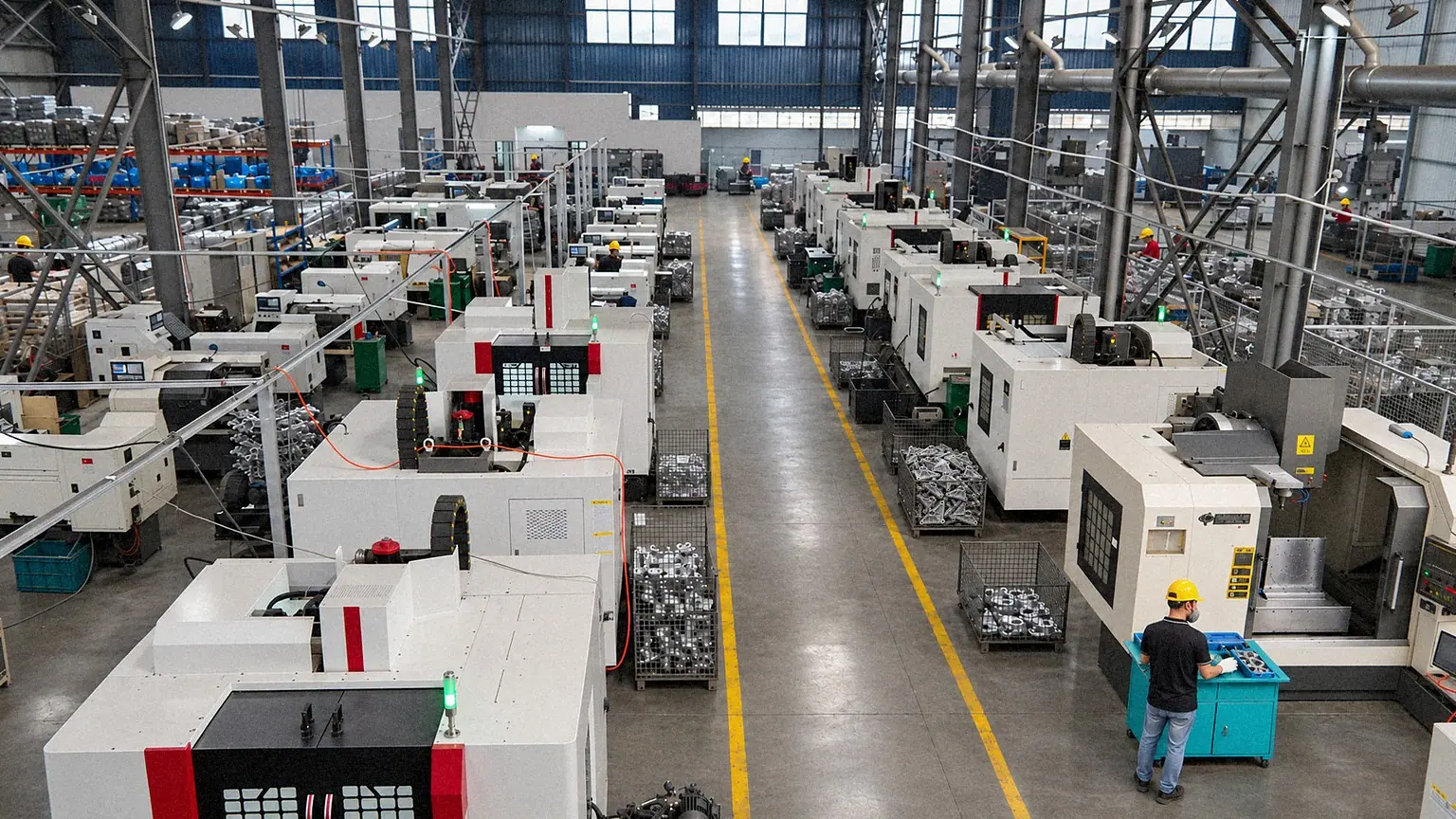
We machine castings and check them for leaks at the same site. Leak testing at Bohua is done by air-under-water immersion at 3 bar or more. This checks the casting for leaks. The customer drawing sets the part-specific test pressure. A qualified outside provider performs impregnation only with customer approval.
What belongs on the gas casting drawing and RFQ?
Mark every closure and gas-exposed machined surface. State the test medium, pressure, hold time, and acceptance criterion. Ask whether the specified method can resolve the required limit. If the fixture uses an interchangeable seal, identify it in the test setup so another inspector can repeat the check. Identify which checks apply to the casting and which apply after equipment assembly. Give the production quantity and release schedule so that quotes reflect the same operations and inspection records.
Use the die casting process page to review the tooling route. Request a free regulator body or meter case drawing review with the drawing revision, test scope, and impregnation policy.
For U.S. entries, the duty for an equipment-specific part can differ substantially from the duty for an aluminum article entered under heading 7616, so use the U.S. aluminum casting import guide and have your customs broker classify each part.
In the EU’s 2026 tariff schedule, a regulator body correctly entered as a valve part under CN 8481 90 00 carries a 2.2% conventional duty and is outside CBAM Annex I as of November 22, 2026, subject to entry-specific measures and the final text of any scope change.
EU sources include Annex I of Regulation (EU) 2023/956 and the 2026 Combined Nomenclature in Implementing Regulation (EU) 2025/1926.
Gas regulator and meter casting questions
Can a passing casting leak test certify the gas meter?
No. The equipment manufacturer handles the finished meter's conformity assessment and tests.
Can we allow impregnation after a failed casting leak check?
It depends on the purchase specification and buyer disposition. Define eligible porosity, process approval, records, and the repeat test.
Should the case be leak-tested before machining?
It depends on the inspection plan. An early check can help screen blanks. Specify finished-condition testing where machining creates or exposes a pressure boundary.
Can regulator bodies and meter cases use the same inspection plan?
It depends on their drawings. The fixture, leak paths, and failure criteria must reflect each part and its assembly.
Get a free gas casting drawing review
Send the gas boundary, sealing surfaces, release sizes, and casting inspection requirements for a regulator body or meter case. Submit the RFQ details, then email your drawing for review.
Send your drawing →