Ningbo Bohua Mechanical Parts Co., Ltd. · Linda, Export Sales · linda@ningbobohua.com · www.bohua-casting.com
Application
Aluminum Castings for Commercial Food Equipment
Cast aluminum is an option for commercial slicer bases, mixer housings, and grinder covers when it meets the equipment drawing and service requirements. Mark food-contact, splash or washdown, and protected fit zones before specifying the finish. Bohua offers a free drawing review and negotiable small batches.
Which commercial food equipment parts suit aluminum casting?
Slicer bases, mixer housings, and grinder covers are candidates when the design allows cast aluminum. Start by marking what touches food, what sees splash or washdown, and what stays behind a barrier. That map determines where the finish, joint design, and inspection need extra attention.
| Part | Feature to mark | What to verify |
|---|---|---|
| Meat slicer base or carriage support | Guide mounts, exposed ledges, and skirt openings | Guide alignment after machining and cleaning access around joints |
| Mixer housing | Bearing seats, drive alignment, and the barrier around the mixing area | Seat alignment and final finish where the design exposes the housing |
| Grinder housing or cover | Locating pilot, fastener pattern, and any surface in the food path | Fit after finishing and the cleanability of exposed seams |
| Cast aluminum griddle plate | Cooking face, heater interface, and grease drain | Customer-approved contact material and finish, plus flatness under the specified conditions |
How do you specify the finish for each surface?
Give every functional surface its own finish callout. A hidden mounting pad can have different requirements from a splash surface. A bearing seat may need masking to preserve its fit after coating.
| Zone | Put on the drawing | Evidence to request |
|---|---|---|
| Direct food contact | Contact boundaries, equipment maker’s material and finish specification, and acceptance for pits and open seams | Traceable material and finish records, plus inspection of the marked areas |
| Splash or washdown | Exposed surfaces, cleaning conditions, and finish transitions | Condition of seams, recesses, and edges after finishing, with access for cleaning |
| Protected machined fit | Datum, final dimensional limits, and masking boundary | Dimensional report at the specified delivery condition |
| Visible exterior | Appearance zones and an approved finish sample when appearance matters | Comparison with the agreed sample under the specified viewing conditions |
The FDA Food Code 2026 is a U.S. model code that jurisdictions can adopt. Where its provisions apply, multiuse food-contact surfaces must be smooth and free of defects such as pits, cracks, and open seams. It also addresses access for cleaning and inspection, with specific exceptions. For EU projects, Article 3 of Regulation (EC) No 1935/2004 sets general limits on the transfer of constituents to food under normal or foreseeable use. The equipment maker identifies applicable requirements for the destination market and evaluates the finished equipment.
FDA Food Code 2026, §§ 4-101.11, 4-101.19, 4-202.11, and 4-202.16. Regulation (EC) No 1935/2004, Article 3, consolidated March 27, 2021.
Use the aluminum casting surface finishing guide to compare finish routes. If the buyer controls roughness, mark where and when to measure it. The surface roughness and Ra guide explains the measurement inputs. List the roughness target, visible defect limits, and cleaning access as separate acceptance items. Apply the requirements for each zone.
Will a finished mixer cover still fit its opening?
Check the fit in its delivered condition. When finish builds on facing sides of an external locating tongue, the finished width includes the buildup on both sides.
Worked example. Use the sample drawing limits below. The maximum finished width is 60.30 + 0.06 + 0.06 = 60.42 mm (2.3787 in). Subtract that width from the minimum opening. The signed clearance is 60.40 − 60.42 = −0.02 mm (−0.0008 in), so the cover can interfere. These assumed limits describe a finish that adds thickness to both locating faces. Millimeters govern the calculation.
| Drawing limit or result | mm (in) |
|---|---|
| Maximum machined width | 60.30 (2.3740) |
| Maximum buildup per side | 0.06 (0.0024) |
| Maximum finished width | 60.42 (2.3787) |
| Minimum finished opening | 60.40 (2.3780) |
| Worst-case signed clearance | −0.02 (−0.0008) |
Resolve the conflict on the drawing. Options include masking the locating faces where the exposure requirements permit it or changing the pre-finish machining limits. Specify a positive assembly clearance and check it at the tightest fit. For a removable cover, also check how the finished edges clear its removal path.
How can you start with a small batch?
Consider sand casting while the housing or base is still changing. Consider gravity permanent mold casting when the drawing, release pattern, and finish justify a reusable tool. Both routes let you evaluate the first order without a high-pressure die-casting tool. Compare them using the same machined datums and the same required finish.
Bring a section through each bearing seat and the surfaces closest to the mixing or slicing zone. That lets the review address core access, fixture access, and the order of machining and finishing together. See the gravity casting process and A356 alloy guide for process and material context.
At Bohua
We offer a free drawing review and suggest process and design changes against your equipment requirements. We quote by annual volume, and small batches are negotiable. We cast aluminum parts in batches. We plan on 5–6 weeks from drawing confirmation to first article. Tooling, samples, and parts are quoted separately from the review.
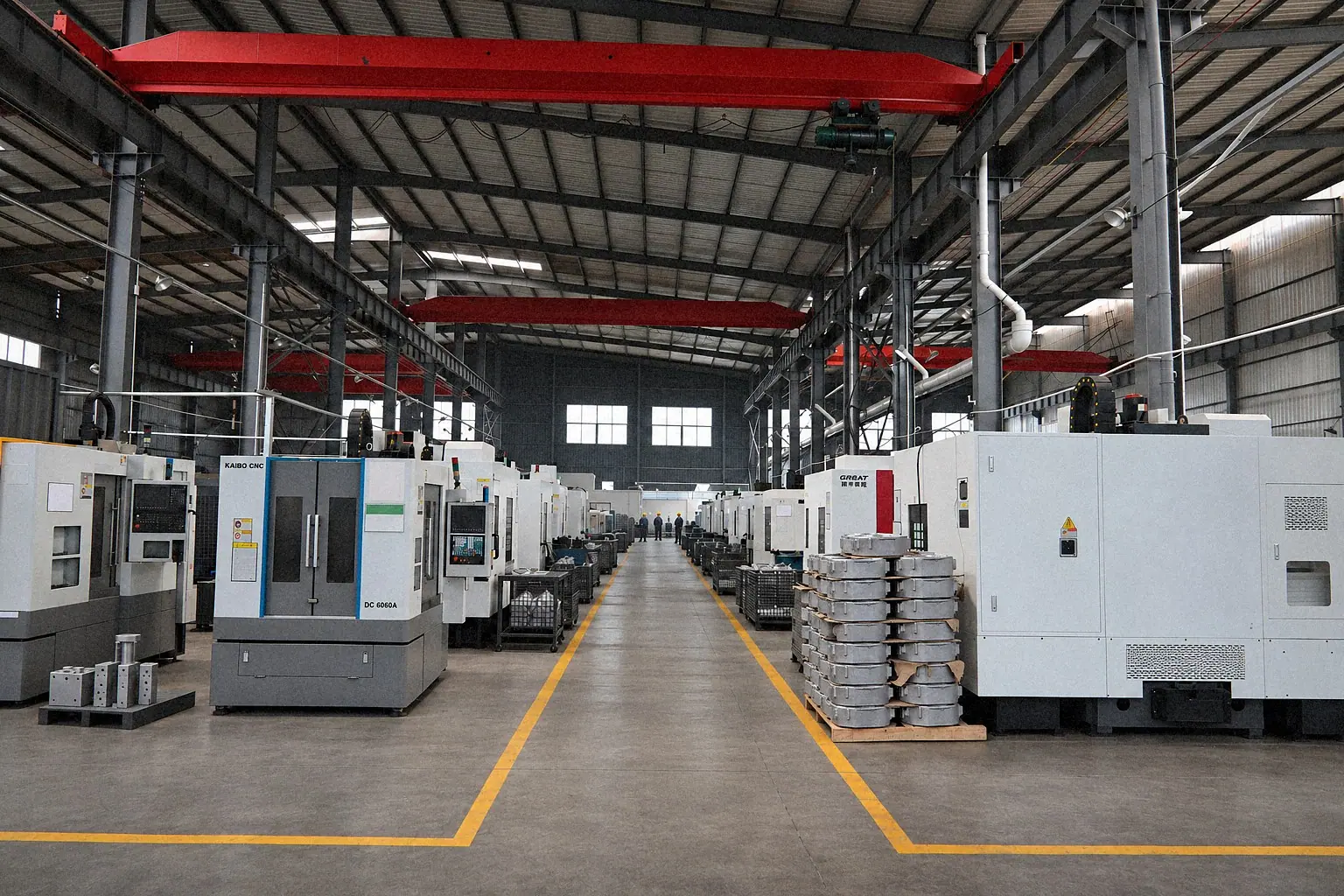
We run sand casting, gravity casting including tilt pour, and low-pressure casting in-house. We also run die casting on two machines rated at 280 t and 450 t for small and medium parts. We assess larger housings for gravity, tilt-pour, low-pressure, or sand casting. We design and make our tooling in-house. We cast A356 and ZL114 by gravity and tilt pour, run CNC machining, and offer mirror polishing. Specify the finished condition and acceptance criteria. The quote defines which finishing and inspection steps we supply.
What should you write in the drawing or RFQ?
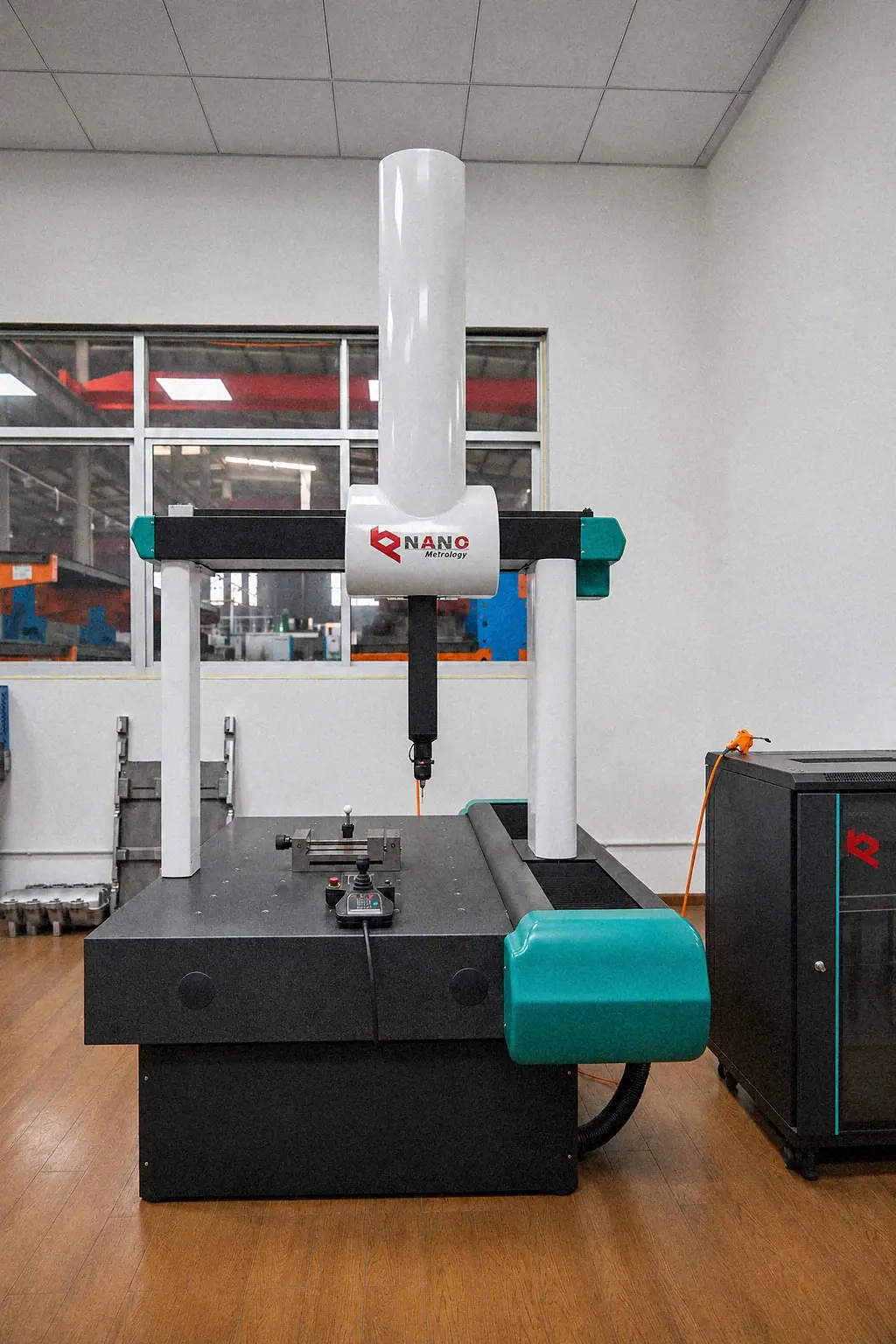
Send the assembly section with the part drawing, solid model, and revision. Mark the food-contact boundary and the finish of each exposed zone. For example, give the mixer pilot a drawing datum, a finished fit, and a masking boundary. Call out how the finished surface will be inspected and how it should be protected during shipment.
Use the food equipment casting RFQ form to give the part requirements, first release quantity, and expected annual demand. Then email the drawing, model, and finish specification to linda@ningbobohua.com for a free drawing review. Identify who supplies each finishing and inspection step.
For U.S. imports, duties can differ substantially between machine parts and aluminum articles under heading 7616, so consult the U.S. casting tariff guide and have your customs broker confirm each item.
Commercial food equipment casting questions
Keep the equipment's contact map attached to the drawing so finish and inspection requirements travel with each revision.
Does a mirror-polished surface establish suitability for food contact?
No. The equipment maker must evaluate the material, finish, and service conditions. Specify surface acceptance and cleanability alongside appearance.
Can a mixer housing start in sand casting?
Yes, if the housing shape and acceptance requirements suit the process. Include the bearing seats, finished interfaces, and planned quantities when comparing it with permanent mold casting.
Should a bearing seat be measured before or after finishing?
It depends on the delivery condition and whether finish is allowed on the seat. Write the acceptance stage and the masking boundary on the drawing.
Should the outside of a slicer use the same finish as the food path?
It depends on exposure and cleaning. Identify the food path, splash zones, and shielded surfaces on the assembly view. Assign the finish and inspection requirements to each zone.
Send your food-equipment casting drawing for a free drawing review
Share the contact-zone map, finish requirements, machined fits, and annual volume. Submit the RFQ details, then email your drawing for review.
Send your drawing →