Intake manifold OEM quote guide for runners, flanges, ports, tooling, and inspection records
Quote path for aluminum intake manifolds covering A356-T6, runner geometry, flange machining, port accuracy, sensor bosses, tooling, inspection, and supplier comparison.
This route is built for truck, diesel, passenger-vehicle, and light-commercial engine buyers who need one supplier conversation for manifold geometry, gravity casting route, machining datums, heat-treatment assumptions, inspection records, tooling, and launch timing before quotation.
What procurement wants clarified
Commercial checkpoints before the buyer sends the RFQ
RFQ action
Use this page as the last stop before contact
The goal is to replace vague contact intent with a quote that includes drawing/spec, material, quantity or MOQ, tooling, lead time, testing, and reply path.
Open contact / RFQ →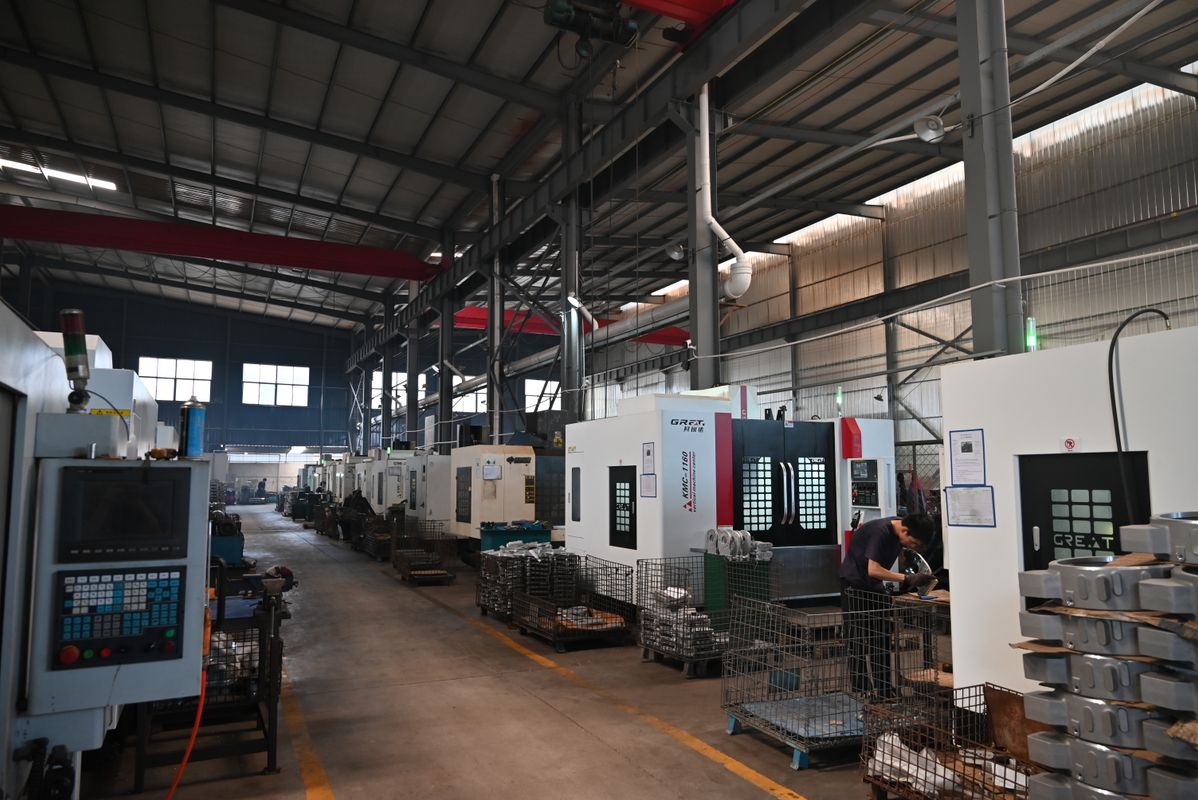
Factory evidence
Evidence buyers can verify before releasing a Intake manifold OEM quote guide for runners, flanges, ports, tooling, and inspection records order
Ningbo Bohua Mechanical Parts Co., Ltd. operates an NQA-certified IATF 16949 quality system. The current certificate covers manufacturing of aluminum alloy cast parts and is valid through 2027-11-20.
Capability does not mean every inspection method is automatically included. The drawing, CTQs, sampling level, records, and acceptance criteria must be agreed in the RFQ and control plan.
Drawing to evidence
Define the record before comparing supplier quotes
| Checkpoint | Bohua capability evidence | Buyer must define |
|---|---|---|
| Material identity | Oxford OES and project material certificates | Alloy designation, temper, governing standard, and certificate format |
| Internal soundness | Unicomp UNC-160 and Y.MU2000-D X-ray capability | Critical zones, inspection frequency, and acceptance reference |
| Dimensional approval | Hexagon Global S and NANO Metrology CMM capability | Datums, CTQs, sampling plan, and report layout |
| Pressure tightness | Dedicated pressure-tightness testing workshop | Medium, pressure, hold time, allowable leakage, and test stage |
| Submission package | PPAP documentation can be provided up to Level 5 according to project requirements. Heat/serial traceability. | PPAP level, FAI scope, retention period, and change-control requirements |
Buyer checklist
What to include so the quote is real
• 2D PDF plus STEP model, or NDA-first review note if the intake geometry is confidential
• Part scope: truck intake manifold, passenger-vehicle manifold, air-path casting, intake pipe fitting, plenum, or related engine air-management casting
• Alloy and process target such as A356-T6, ZL114, gravity casting, low-pressure casting, or supplier recommendation required
• Critical features: runner geometry, port accuracy, flange flatness, sensor bosses, mounting datums, wall thickness, machining stock, and heat-treatment assumptions
• Inspection and approval needs: CMM, flange flatness check, port location report, material record, heat-treatment record, sample inspection, FAI, PPAP-style documents, or traceability
• Commercial scope: prototype quantity, annual volume, tooling status, export destination, Incoterm, launch timing, packaging constraints, and required response channel
Commercial comparison
Questions that separate a serious quote from a placeholder quote
| Part scope | Define whether the quote covers a truck manifold, passenger-vehicle manifold, air-path casting, plenum, or intake pipe fitting because tooling and machining assumptions differ. |
|---|---|
| Runner and flange control | State runner geometry, port accuracy, flange flatness, sensor bosses, mating faces, wall sections, and machining datums before comparing suppliers. |
| Process route | Gravity or low-pressure casting should be reviewed against manifold size, wall section, core strategy, A356-T6 target, machining allowance, annual volume, and validation needs. |
| Inspection records | Ask for CMM, flange flatness report, port location checks, material certificate, heat-treatment record, sample inspection, FAI, PPAP-style documents, and traceability when required. |
| Commercial risk | Intake manifold programs often carry tooling, sample approval, machining fixture, export packaging, and launch timing risk; quote requests should separate these from raw casting price. |
Internal links
Move back to the matching landing page or forward to contact
Product RFQ package: A356-T6 truck intake manifold
Review the matching landing page, then return here or continue into the RFQ form with clearer commercial assumptions.
Open landing →Product RFQ package: heavy-duty truck intake manifold
Review the matching landing page, then return here or continue into the RFQ form with clearer commercial assumptions.
Open landing →Product RFQ package: automotive intake manifold
Review the matching landing page, then return here or continue into the RFQ form with clearer commercial assumptions.
Open landing →Product RFQ package: OEM aluminum intake manifold
Review the matching landing page, then return here or continue into the RFQ form with clearer commercial assumptions.
Open landing →Intake manifold application page
Review the matching landing page, then return here or continue into the RFQ form with clearer commercial assumptions.
Open landing →Automotive casting industry route
Review the matching landing page, then return here or continue into the RFQ form with clearer commercial assumptions.
Open landing →Intake manifold flange and port machining RFQ checklist
Review the matching landing page, then return here or continue into the RFQ form with clearer commercial assumptions.
Open landing →Intake manifold supplier guide
Review the matching landing page, then return here or continue into the RFQ form with clearer commercial assumptions.
Open landing →Gravity casting process evidence
Review the matching landing page, then return here or continue into the RFQ form with clearer commercial assumptions.
Open landing →A356 material route
Review the matching landing page, then return here or continue into the RFQ form with clearer commercial assumptions.
Open landing →Tooling, MOQ, and lead-time guide
Review the matching landing page, then return here or continue into the RFQ form with clearer commercial assumptions.
Open landing →Quote readiness checklist
Review the matching landing page, then return here or continue into the RFQ form with clearer commercial assumptions.
Open landing →Quality control and inspection evidence
Review the matching landing page, then return here or continue into the RFQ form with clearer commercial assumptions.
Open landing →FAQ
Questions buyers usually ask on quote-intent pages
What should buyers send for an aluminum intake manifold quote?
Send drawings, STEP model, part scope, alloy or process target, runner and port requirements, flange flatness, sensor boss details, machining scope, inspection needs, annual volume, tooling status, and launch timing.
Why is A356-T6 often used for intake manifold castings?
A356-T6 can be useful when buyers need heat-treatable strength, stable gravity-cast sections, machining stock on flanges and ports, and corrosion resistance for under-hood service. Final alloy should still be confirmed against the drawing and specification.
Should tooling and machining fixtures be discussed before quotation?
Yes. Intake manifolds often depend on core strategy, tooling ownership, machining datum control, fixture planning, and sample approval loops, so these assumptions should be visible before comparing suppliers.
Which inspection records matter for intake manifold RFQs?
Common records include CMM report, flange flatness check, port location report, material certificate, heat-treatment record, sample inspection, FAI, PPAP-style documentation, and traceability when required.
Why should the RFQ define flange flatness and port datums before price comparison?
Those features usually decide machining fixture scope, CMM layout, sample approval risk, and whether a casting-only quote is comparable to a casting plus machining quote.
How should buyers compare intake manifold suppliers?
Compare process route, tooling ownership, runner and flange control, machining fixture plan, inspection records, sample approval plan, packaging, and response speed rather than only comparing unit price.
Ready to turn comparison traffic into a real RFQ?
Send the drawing package, commercial assumptions, and contact path through the RFQ form so the quote can move faster from evaluation to action.
Send RFQ / contact engineering