
Make vacuum pump oil-tank quotations comparable by defining the supplied component, assembly orientation, oil-level datum, fill, drain, sight-glass and cover interfaces, final CNC and sealing state, cleaning, inspection, records, hardware and test ownership.
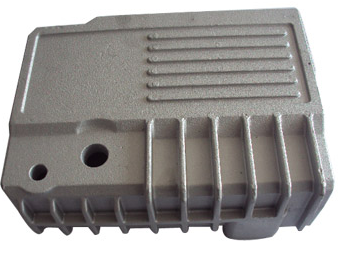
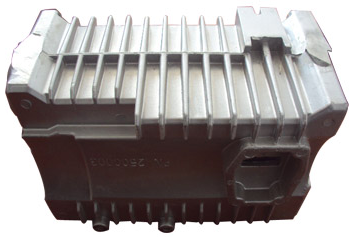
A quote-ready vacuum pump oil tank RFQ must identify the supplied component and its installed orientation; map the oil-fill, drain, sight-glass, vent, cover and mounting interfaces; define the operating oil-level datum and final machined and sealed state; and assign hardware, cleaning, inspection, leak evidence and assembly acceptance. A casting supplier should not infer a port function, oil level or sealing method from a photograph or a generic oil-box name.
An oil tank, oil box, sump or reservoir is the component boundary selected by the buyer's pump design. The RFQ must use the buyer's controlled terminology and assembly drawing because different pump families place the fill, drain and level-view features differently. The oil-level requirement belongs to the installed assembly, while the casting and machining supplier needs a drawing-linked geometry and inspection plan for the empty component it will deliver.
Bohua's current site verifies two A356-T6 gravity-cast Vacuum Pump Oil Tank product examples with published references to machined ports, cavity geometry and mounting bosses. Bohua also publishes casting-plus-CNC, A356 and dimensional-inspection routes. Those pages and approved images establish category and workflow relevance only. They do not prove that the pictured tanks include a particular sight glass, port thread, oil capacity, vacuum rating, leak result or complete-pump approval.
Lock the part identity and supply boundary
Start with the pump manufacturer or project, tank or oil-box part number, controlled PDF and STEP revisions, installed orientation and the component boundary shown in the assembly. State whether Bohua is being asked to supply a raw casting, heat-treated blank, finish-machined tank, cleaned and protected component, hardware-fitted oil box or another defined state.
List who owns the cover, gasket or O-ring, sight-glass assembly, filler plug, drain plug or valve, vent or breather, fasteners, inserts, filters and any internal baffle or tube. A quotation cannot be compared when one supplier prices an empty machined casting and another assumes installed service hardware or assembled leak testing.
Define installed orientation and the oil-level datum
Show the installed coordinate system and identify the datum that controls the buyer's minimum, target and maximum oil-level marks. Relate the sight-glass center or window, filler opening, drain low point, cover face, mounting feet and pump interface to that datum. If the tank can be installed in more than one orientation, identify the approved orientation for each part number.
The casting supplier should inspect geometry against the controlled datums; it should not choose the operating oil level. Oil volume, thermal expansion, operating condition and the pump manufacturer's service instructions remain buyer or pump-designer inputs. If those inputs are not final at quotation, record them as open assumptions rather than converting a catalog image into a dimension.
Create a fill, drain and vent interface schedule
Number every service opening and map it to its function: oil fill, drain, vent or breather, level view, filter or return connection, temporary process opening or unused boss. For each item, state the controlled thread or interface, sealing method, machined seat or spotface, depth and remaining-wall rule, installed hardware, installation owner, access envelope, final delivered state and inspection evidence.
A drain feature also needs a buyer-defined low-point and service-access relationship. A fill opening needs an access and closure boundary. A vent or return connection needs its circuit role. These are assembly decisions. Bohua's published oil-tank examples verify a relevant cast component family with machined-port potential, but they do not identify the function of every visible boss.
Treat the sight glass as a complete mating interface
Identify the approved sight-glass assembly or controlling drawing, window type, thread or flange, seat and seal, installation direction, hardware and replacement access. Put the tank-side bore, face, groove, thread, hole pattern and level relationship on the component drawing. Separate machining inspection from installed sight-glass sealing and oil-level readability.
Edwards describes an O-ring-sealed sight glass, a drain port and a large fill port for its E2M rotary-vane pump family. This first-party example confirms that the three service interfaces work together, but its construction and values are product-specific. They are not universal Bohua capabilities or dimensions for a new buyer tank. Source: https://www.edwardsvacuum.com/en-us/our-products/oil-sealed-pumps/e2m-rotary-vane-pumps .
Define covers, seals and hardware without hidden assumptions
If the oil tank has a removable cover, state the cover and tank drawing revisions, sealing boundary, gasket or O-ring owner, groove or land owner, fastener pattern, locating feature, final face state and assembly responsibility. For filler and drain closures, identify the plug or valve, seal or washer, thread engagement requirement from the controlling drawing, installation owner and whether torque or retention evidence is part of the quote.
An Edwards GV pump manual shows a product-family relationship among the filler port and plug, drain plug, O-rings and sight-glass level mark. Use that evidence to ask who controls each mating item, not to copy its hardware, oil level or assembly instructions into a different tank. Source: https://dach.my.edwardsvacuum.com/medias/A70216880-Instructions.pdf?attachment=true&context=bWFzdGVyfHJvb3R8MTQxMDc0MXxhcHBsaWNhdGlvbi9wZGZ8YUdObEwyaGtOeTgyT1RBNU1qQXpNekF6TmpNeE9DOUJOekF5TVRZNE9EQWdMU0JKYm5OMGNuVmpkR2x2Ym5NdWNHUm18NGIwNjAwZmM0ODRmZGNjNjE4ZTYwZjMxYWQwMDUzNWZhMDRlODkzZjlmNzlhMTZkYWI2ZTliZmJiYWM1MTBjYg .
Connect the cavity, casting stock and CNC sequence
Show the cavity boundary, local wall and bosses around service openings, cover faces and mounting features. Mark casting stock, final machined surfaces, tool access, datum candidates, cored or drilled relationships, heat-treatment state, fixture support and the sequence that establishes the oil-level and interface datums. Identify which surfaces remain as cast and which are accepted only after final CNC, washing and protection.
Bohua's two live oil-tank product pages state A356-T6 gravity casting and typical machined ports, cavity geometry and mounting bosses. Bohua's casting-plus-CNC page supports drawing review, fixture planning and machining of interfaces. The exact wall, stock, thread, face, tool, fixture, heat-treatment sequence and feasible tolerance for a new tank must still be reviewed from its controlled files.
Specify cavity cleanliness and protected delivery
Define what must be removed from the oil-wetted cavity and service passages: chips, burrs, loose media, residues, cleaning fluid and foreign material. State the wash and dry method if buyer-controlled, verification method, acceptable temporary closures, rust or corrosion protection for installed hardware, packaging orientation and the condition expected at receiving.
Keep casting-surface acceptance, dimensional cleanliness and assembled oil-system cleanliness as separate questions. If the buyer requires borescope evidence, wipe checks, gravimetric analysis, particle counting or another method, state its procedure, acceptance value, frequency and record format. Bohua's public pages do not establish one universal contamination code or cleaning process.
Build component, assembly and functional evidence layers
Component evidence can cover datums, mounting features, cover face, sight-glass opening, fill and drain interfaces, port position, thread or gauge results, remaining wall, cavity condition and material or heat-treatment records. Assembly evidence can cover the installed sight glass, seals, plugs, cover and hardware when those items are in scope. Functional evidence can cover oil retention, external leakage, level readability or pump operation only when the buyer defines the assembled condition, method and acceptance.
Bohua's quality page verifies CMM support for dimensions, geometric tolerances, hole position, profile and flatness. The RFQ still needs the datum frame, support or fixture condition, gauge or CMM method, report fields and inspection frequency. An empty tank dimensional report does not prove oil capacity, assembled sealing, vacuum performance or complete-pump function.
Control first-article, production and change records
For first articles, identify the ballooned drawing, dimensional report, material and heat-treatment records, interface and thread results, cover-face and level-datum results, cavity and cleanliness evidence, hardware list and assembled test record when included. For production, define controlled characteristics, sampling or all-part checks, gauge identification, calibration status, traceability, retention period and reaction plan.
Require approval for changes to the tank or assembly revision, installed orientation, oil-level datum, material or temper, casting route, tooling, CNC program, fixture, inspection method, cleaning process, cover or sight-glass design, filler or drain hardware, seal source, subcontractor and repair route. Service-interface changes can alter machining, maintenance and assembly risk even when the outer casting looks similar.
Normalize the quote and submit a drawing-ready RFQ
Ask every supplier to separate tooling, raw casting, heat treatment, rough and finish machining, fixtures, gauges, dimensional records, cleaning, temporary protection, cover and seal hardware, sight glass, filler and drain hardware, assembly, component leak test, packaged delivery and export terms. Confirm whether oil, filters, internal parts or complete-pump validation are excluded.
Current Bohua evidence and buyer routes: https://www.bohua-casting.com/products/vacuum-pump-oil-tank-36 ; https://www.bohua-casting.com/products/vacuum-pump-oil-tank-37 ; https://www.bohua-casting.com/aluminum-casting-cnc-machining-supplier ; https://www.bohua-casting.com/materials/a356 ; https://www.bohua-casting.com/quality-control . Parent and adjacent guides: https://www.bohua-casting.com/en/resources/vacuum-pump-housing-casting-rfq-guide/ ; https://www.bohua-casting.com/en/resources/vacuum-pump-housing-o-ring-groove-rfq/ ; https://www.bohua-casting.com/en/resources/vacuum-pump-housing-blind-tapped-hole-virtual-leak-rfq/ .
Send the controlled PDF and STEP files, installed orientation, oil-level reference, interface schedule, hardware and seal list, material and heat-treatment target, final CNC state, cleanliness and inspection package, annual volume, tooling status, assembled-test scope, destination and timing through https://www.bohua-casting.com/request-quote?source=jhclaw-content . Bohua can then review the defined cast-and-machined tank without treating a product image as proof that the assembly is already validated.
Specifications
| Component identity | Pump project, tank or oil-box part number, controlled PDF and STEP revisions, installed orientation and assembly reference |
|---|---|
| Supply boundary | Raw, heat-treated, finish-machined, cleaned, hardware-fitted or assembly-ready state; owner of cover, seals, sight glass, plugs, vents and fasteners |
| Oil-level datum | Installed coordinate system, datum and buyer-defined minimum, target and maximum level relationship to the sight-glass window |
| Fill interface | Opening ID, location, access, thread or seat, closure, seal, installation owner, final state and inspection |
| Drain interface | Opening ID, buyer-defined low-point relationship, access, plug or valve, seal, final state and inspection |
| Sight-glass interface | Approved assembly or drawing, bore or flange, thread or hole pattern, seat, seal, direction, level relationship and service access |
| Cover and vent | Cover face and locating features, gasket or O-ring boundary, fasteners, vent or breather role, hardware and assembly owner |
| Sealing and hardware | Part numbers or controlled drawings, materials, installation and retention owner, torque evidence when specified and quote exclusions |
| Casting and CNC state | Alloy and temper target, cavity and wall map, stock, machined versus as-cast surfaces, heat-treatment sequence, fixture and final acceptance stage |
| Cleanliness and delivery | Burr and residue controls, wash and dry method, verification, temporary closures, corrosion protection, packaging and receiving condition |
| Inspection and tests | Datum and support state, CMM or gauges, thread and interface results, cavity evidence, component leak test and separate assembled acceptance |
| Records and changes | First-article and production records, traceability, sampling, gauge status, reaction plan, change approval, annual volume and export terms |
FAQ
What should a buyer include in a vacuum pump oil tank RFQ?
Include the controlled tank and assembly drawings, installed orientation, oil-level datum, fill, drain, sight-glass, vent and cover interface schedule, supplied state, hardware and seal ownership, material and temper, CNC scope, cleanliness, inspection records, annual volume and assembled-test boundary.
Can a supplier determine the oil level from the tank casting drawing alone?
Not safely. The pump designer should define the operating oil level and installed orientation. The component drawing then converts that requirement into a controlled relationship among the sight-glass interface, tank datums, fill opening, drain low point and mounting features.
Should the sight glass, filler plug and drain plug be part of the same quote?
They can be, but the RFQ must say so. List each hardware item, seal, installation owner, delivered state and inspection or leak evidence. Otherwise suppliers may quote different boundaries while appearing to quote the same oil tank.
What inspection evidence is useful for a cast and machined oil tank?
Useful component evidence can include the datum setup, cover face, mounting features, sight-glass opening, fill and drain interfaces, thread or gauge results, cavity condition, material and heat-treatment records and cleanliness checks. Assembly and functional evidence should be listed separately.
What should a buyer send Bohua for review?
Send PDF and STEP files, the assembly orientation and oil-level reference, service-interface and hardware schedule, material and heat-treatment target, final machining and cleaning scope, inspection package, annual demand, tooling status, leak or assembly acceptance, destination and timing.