
Make pump-housing quotations comparable by mapping every auxiliary boss and opening to its function, delivered state, datum, clocking, seal or plug, inspection evidence, hardware owner, and change authority.
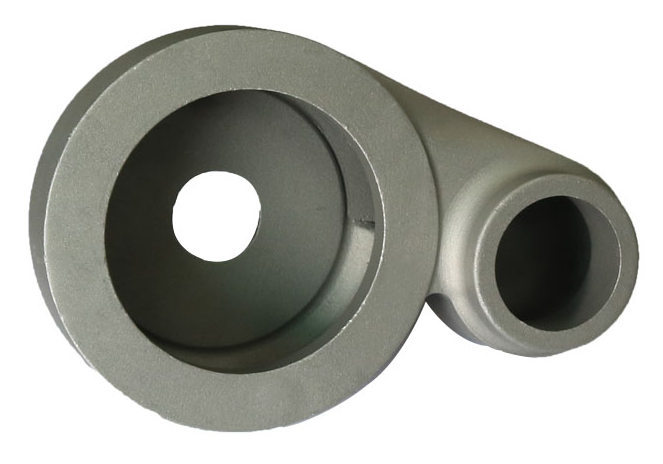
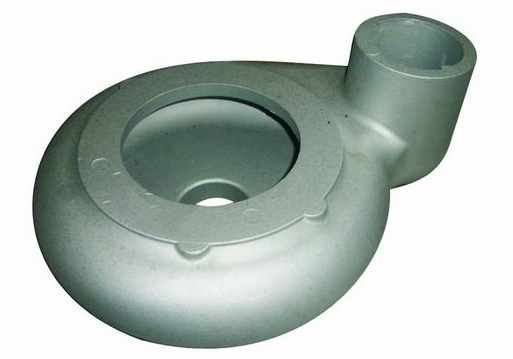
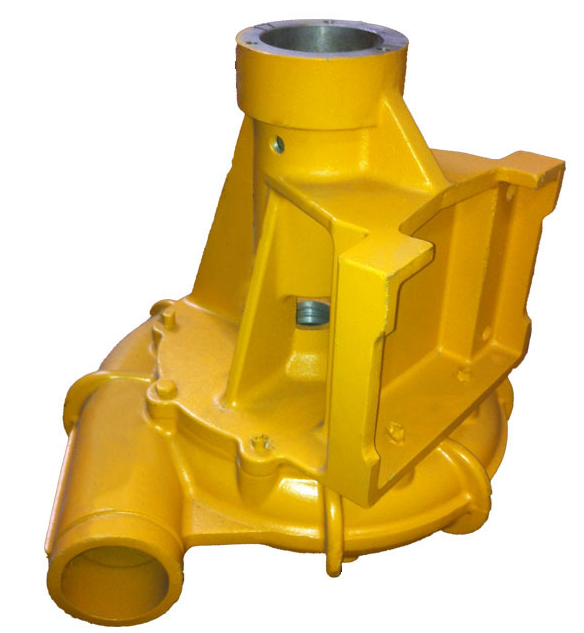
Before suppliers quote a pump housing, number every auxiliary boss or opening and define its function, final delivered state, connection or thread, centerline or angular position from controlled datums, spotface or sealing condition, pressure-boundary role, hardware responsibility, inspection method and change authority. Do not ask the casting supplier to infer whether a visible boss is a drain, vent, gauge, priming, service or temporary-test connection, or whether it should be left cast-only, drilled, tapped, plugged or assembled.
An auxiliary-port schedule is a drawing-linked list of the non-primary connections and bosses on the pump housing. It links each opening ID to the buyer-defined function, finished state, geometry, location, sealing or plugging condition, process owner and evidence. It does not replace the controlled drawing or an applicable pump standard. It prevents the 3D model, casting drawing, CNC drawing, test fixture and purchase specification from describing different finished parts.
Bohua's current site shows A356-T6 gravity-cast pump-housing and fire-water-pump product examples, plus casting, CNC machining and inspection routes. Those pages support a relevant drawing and quotation review. They do not identify the function of every visible boss or prove that Bohua owns the complete pump, seal system, plug selection, test fixture or assembly design. The buyer's controlled documents decide the actual connection and acceptance requirements.
Classify every boss and opening before the supplier quotes
Give each non-primary opening a drawing-linked ID and a buyer-defined function. Useful classes include drain, vent, gauge, priming, service, lubrication, temporary test, plugged spare or reserved cast pad. Keep suction and discharge connections in the same master schedule when their relationship controls the auxiliary features, but do not let the word port hide different purposes. If the buyer has not assigned a function, mark the item as open and require a named supplier assumption. The supplier should not turn a visible boss into a drilled connection merely because a similar pump uses one.
Freeze the delivered state for every opening
For each ID, state whether the delivered housing contains a cast pad only, cored opening, drilled hole, drilled and tapped hole, machined spotface, prepared plug seat, installed temporary cap, installed permanent plug or no hardware because another assembler completes the connection. Record thread or connector reference, handedness where relevant, drilled depth, usable thread depth, entry condition and any counterbore or spotface. Separate the housing condition at casting inspection, after CNC, during leak testing and at shipment. A modelled boss, a thread callout and a purchase-order line should all resolve to the same final state.
Tie port location and clocking to the controlled datum frame
Port clocking is the position of an opening around or relative to the housing's functional geometry. Define each centerline, angle or coordinate from named datums on the released drawing. State whether the characteristic is true position, basic angle plus tolerance, linear coordinates, orientation to a mounting face or another buyer-approved method. Identify the final measurement state and whether a CMM, dedicated fixture, angle method or functional assembly check is required. Do not invent a universal angle or tolerance. The pump package, mating piping, service access and buyer drawing control the value.
Separate thread acceptance from sealing-interface acceptance
A passed thread gauge answers only the thread characteristic defined by that gauge. It does not automatically prove centerline position, spotface flatness, counterbore depth, sealing-land finish, plug-seat condition, remaining wall or mating-component clearance. Put those characteristics in separate rows when they affect assembly or sealing. Define the connection standard and the buyer-approved gauge reference, then state which geometric relationships need CMM, fixture or other inspection. If a washer, gasket, O-ring, bonded seal or tapered thread is used, provide the controlled interface requirement rather than asking the foundry to select one from a product image.
Connect each opening to the real pressure boundary and test stage
Mark which cavity or fluid boundary each opening reaches after final machining and assembly. State whether it is open, blocked, plugged or connected during each casting, machining, leak-test and shipment stage. Define the test boundary, temporary fixture or plug assumptions, medium, pressure or vacuum condition, stabilization and test time where relevant, measurable acceptance, sampling and record. A housing can have several openings yet one test record may cover only one configured boundary. Passing a leak test should not silently accept a wrong port function, wrong thread, wrong location or unapproved plug.
Assign plug, cap, seal and installation responsibility
Put ownership in the quotation. Identify who selects each plug, cap, washer or seal; who buys it; who verifies identity; who installs it; who applies any approved assembly process; and who creates the final record. If the buyer or another assembler supplies hardware, define the housing's delivered condition and protection of the open connection. If Bohua is asked to source or install project hardware, the approved reference, material or finish requirement, inspection rule and assembly scope must be confirmed in the quote. Hardware, special tooling, gauges, installation, testing and records should be visible line items or explicit included assumptions.
Separate first-article evidence from production controls
First-article evidence can include the ballooned opening schedule, drawing revision, delivered-state confirmation, thread or connection result, coordinate or angle result, spotface or sealing-interface result, local-wall check where required, hardware identity, configured leak-test record and approved deviations. Production controls may use a different frequency from development approval. Define which characteristics are checked on every part, which use buyer-approved sampling, which rely on controlled hardware or process records and how part, lot, tool and drawing revisions are traced. A complete first-article layout should not silently become either more or less than the released production plan.
Control cleaning, protection, identification and shipment state
Define burr removal and chip control for drilled and tapped openings, permitted cleaning or preservation where relevant, dryness or fluid state at shipment, temporary caps or plugs, sealing-face protection and package identification. If similar bosses have different functions, require a drawing-linked marking, tag, protective-color convention or other buyer-approved identification when assembly risk justifies it. State whether temporary test hardware must be removed and whether open connections ship protected. Terms such as clean, capped or ready for assembly are not comparable unless the buyer provides a measurable rule or accepts a documented supplier proposal.
Use applicable pump standards without turning them into universal casting rules
The current official ASME B73.1 page describes a pump design and specification standard with dimensional interchangeability and purchaser-supplier data-sheet use for its defined pump scope. The free official ASME B73 data sheet is a useful example of separating nozzle and auxiliary case connection information. Current Xylem and Viking Pump materials also show product-specific drain, vent, gauge or port-configuration decisions. These sources support the need for a controlled connection schedule; they do not prove that B73.1 applies to every pump housing or that another manufacturer's port layout belongs on a Bohua casting. Cite the actual buyer, customer or pump standard and revision in the RFQ.
Normalize commercial scope and keep the Bohua evidence boundary visible
Compare quotations for casting tooling, core or boss features, CNC fixtures, drilling and tapping, special tools or gauges, spotfaces and seal lands, buyer-specified hardware, cleaning, leak-test fixtures, first-article evidence, production records, samples, annual demand, packaging, destination and timing. Require written review before changing a boss state, function, location, thread, spotface, plug, seal, datum, machining sequence, test configuration or inspection method. Relevant Bohua routes are Pump Casing 1, Pump Casing 2, Fire Water Pump 31, Pump Housing Manufacturer, Gravity Casting, A356 Material, Aluminum Casting plus CNC Machining, Quality Control and Casting Drawing Requirements. The images prove product-family relevance only. Send controlled PDF and STEP files plus the opening schedule for drawing-based review and quotation.
Specifications
| Opening ID and function | Drawing-linked identifier plus buyer-defined drain, vent, gauge, priming, service, lubrication, temporary-test, spare or reserved-pad class |
|---|---|
| Delivered state | Cast-only, cored, drilled, drilled and tapped, spotfaced, prepared seat, temporarily capped, permanently plugged or buyer-assembled |
| Connection definition | Thread or connector reference, handedness where relevant, drilled depth, usable thread depth, entry, counterbore and spotface |
| Datum and clocking | Named datum frame plus controlled centerline, angle, coordinate, orientation method and final measurement state |
| Sealing interface | Spotface, land, plug seat, washer, gasket, O-ring or tapered-thread requirement owned by buyer documents or an approved proposal |
| Pressure-boundary role | Connected cavity and opening condition during machining, testing, final assembly and shipment |
| Hardware responsibility | Selection, approved reference, purchasing, identity verification, installation, acceptance and delivered condition |
| Inspection method | Thread gauge, CMM, dedicated fixture, angle or coordinate method, surface check, depth result or functional assembly check by characteristic |
| First-article evidence | Ballooned schedule, revision, state confirmation, dimensional results, hardware identity, configured test record and deviations |
| Production controls | Per-part or approved sampling frequency, process records, part and lot traceability, report format and record retention |
| Cleaning and protection | Burr and chip control, wash or preservation, dry or fluid state, temporary caps, surface protection, marking and packaging |
| Change and commercial control | Revision and deviation authority plus tooling, fixtures, gauges, hardware, testing, quantities, destination, timing and exclusions |
FAQ
Should every boss shown on a pump-housing model be drilled and tapped?
No. A boss can remain cast-only, be reserved for another variant, receive a drilled or tapped connection, or be completed by another assembler. The released drawing and opening schedule should assign the function and delivered state before quotation.
What is pump-housing port clocking?
It is the controlled angular or positional relationship of an opening to the housing's named functional datums. Define the centerline, angle or coordinate method, tolerance and final inspection state on the buyer drawing rather than relying on a product image.
Does a thread gauge prove that an auxiliary port is correctly located and sealed?
Not by itself. A thread gauge addresses the specified thread characteristic. Location, angle, spotface, sealing-land condition, depth, remaining wall and configured leak acceptance may need separate buyer-defined evidence.
Does Bohua decide which opening is a drain, vent or gauge connection?
No automatic design ownership is claimed. Bohua can review current pump-housing drawings for casting, machining and inspection feasibility, but the buyer's pump design, applicable standard, assembly and controlled documents define each port function and acceptance requirement.
What should I send Bohua for an auxiliary-port review?
Send revision-controlled PDF and STEP files, the opening schedule, applicable pump or customer standard, connection functions, delivered machining and hardware state, datum and clocking requirements, pressure-boundary and test plan, inspection records, quantities, destination and timing.