
Make pump-casing quotations comparable by defining the buyer-approved suction and discharge load cases, coordinate system, support interfaces, casting and CNC evidence, complete-pump verification owner, records, and quote exclusions.
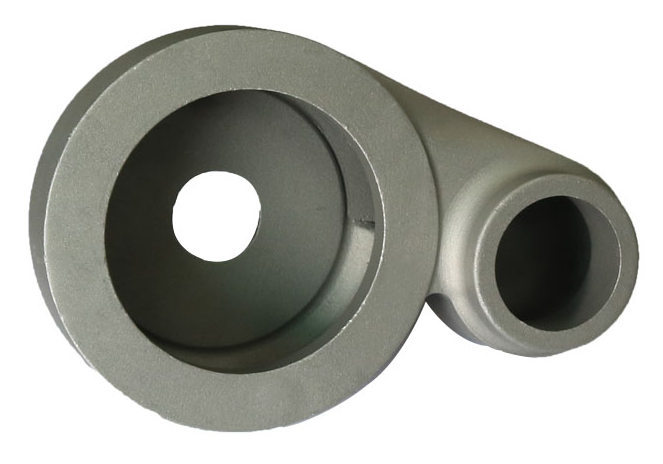
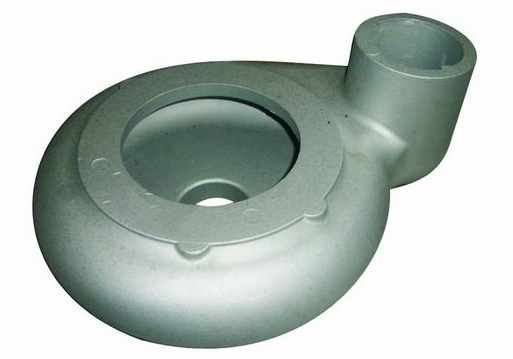
A quote-ready pump casing nozzle-load RFQ must identify the exact casing and pump configuration, define the suction and discharge coordinate system, provide buyer-approved force and moment cases, freeze support and mounting interfaces, map casting and CNC evidence, and separate component conformance from complete-pump nozzle-load validation. Never copy allowable load values from an unrelated pump or assign system piping design to the casting supplier.
Pump nozzle loads are forces and moments transferred at the suction and discharge connections. Their effect depends on pump configuration, material, temperature, support, baseplate, piping, assembly and the applicable standard or buyer specification. The casting RFQ should therefore carry the approved inputs and evidence plan without implying that a foundry sets the pump's load limits.
Bohua's current site verifies aluminum pump-casing examples, A356-T6 gravity casting, casting plus CNC machining, CMM, project-defined X-ray and a drawing-upload RFQ route. This establishes product-family and workflow relevance only. It does not prove FEA capability, system piping design, a universal allowable force or moment, a universal critical zone, or complete-pump nozzle-load validation for a new project.
Identify the pump, casing and supply boundary
State the pump family, arrangement, casing part number, rotation, installed orientation, suction and discharge identity, controlled PDF and STEP revisions, material target and the exact component being quoted. If the casing belongs to a complete pump standard or customer specification, identify the applicable document and edition rather than using a generic pump label.
Define the delivered state: raw casting, heat-treated blank, rough-machined casing, finish-machined casing, cleaned and protected component, or another controlled condition. List who owns the casing design, hydraulic design, impeller, cover, wear rings, seals, plugs, support hardware, baseplate, pump assembly, piping analysis and complete-pump tests. A raw-casting price is not comparable with a quote that includes fixtures, inspection, hardware or assembled validation.
Freeze the load coordinate system and operating cases
Provide the buyer-approved coordinate origin, axis directions, sign convention and application point for each suction and discharge force and moment. Tie the table to the casing revision and pump assembly state. Identify cold, hot, pressurized, thermal, installation, transport or other project-defined cases and state whether values are operating, occasional, test or acceptance limits.
The Hydraulic Institute explains that nozzle loads can arise from mechanical pipe strain, hydraulic pressure reactions and thermal movement, and that their effects reach the pump, coupling, supports and casing. Use that first-party context to define project inputs; do not turn the article into a substitute load calculation. Source: https://www.pumps.org/pump-pros-know-the-effects-of-forces-and-moments-on-pump-nozzles/ .
Keep allowable loads with the buyer or pump OEM
State who approves the applicable standard, load combinations, material adjustment, temperature condition, support assumption, analysis method and acceptance. If allowable values are still open, mark them as buyer inputs or separately quoted engineering work. A casting supplier may review manufacturability and evidence against approved requirements, but it should not copy a table from a different pump, material or support configuration.
KSB explains that each pump nozzle load contains force and moment components and that permissible limits depend on the pump and applicable technical code. That supports a configuration-specific decision, not a universal value. Source: https://www.ksb.com/en-global/centrifugal-pump-lexicon/article/pump-nozzle-load-1116280 .
Define suction and discharge interfaces in the final state
For each main connection, define the axis, center location, face or threaded interface, bore or opening, flange or boss geometry, hole pattern, clocking, sealing land, surface finish, edge condition, coating mask and inspection datum. State whether dimensions apply before or after heat treatment, machining, coating and pressure testing.
Relate the suction and discharge interfaces to the shaft, bearing or seal reference, casing split or cover, and mounting datums where the pump design requires it. Existing Bohua pages verify drawing-based CNC review for bores, ports, gasket faces, sealing lands and datums. They do not establish a universal flange standard, alignment tolerance or nozzle-load capacity for every pump.
Freeze the support and baseplate boundary
Identify casing feet, support lugs, mounting pads, brackets, bolt holes, dowels, jacking features and contact areas that carry or react load. Define their final machined or as-cast state, datum relationship, flatness or profile requirement, bolt and hardware owner, baseplate or mating geometry, shim or grout assumption and support condition during inspection and validation.
Do not infer the support model from a product photograph. A foot-mounted, centerline-supported, bracket-supported or close-coupled pump can transfer loads differently. The buyer or pump OEM should release the approved support condition, while the casting supplier quotes the defined geometry, tooling, machining and inspection evidence.
Map casting critical zones and evidence
Create a drawing-linked map for suction and discharge branches, flange or boss transitions, local wall changes, support-foot or bracket junctions, cover and seal regions, machining break-through zones, gates, risers, repairs and other project-critical areas. For each zone, state the required visual, dimensional, X-ray or other NDT method, coverage, timing, acceptance source, frequency, record and reaction plan.
Sulzer's April 2026 pump quality specification illustrates that radiography zones are component specific, including pump branches, flanges and some support-foot junctions. Use that primary-source example to require a project map, not to copy Sulzer coverage into a Bohua RFQ. Source: https://www.sulzer.com/en/-/media/files/q_documents_pe/sqs/sqs-0011.pdf . Bohua's quality page verifies X-ray equipment and project-defined inspection planning; the buyer must still approve exact zones and acceptance.
Connect CNC datums and inspection to the load path
Separate casting, machining, inspection and assembly datums, then show how each main nozzle and support feature relates to them. Define the support condition used during machining and CMM inspection so a free-state result is not confused with an assembled or loaded condition. Mark which dimensions, positions, profiles and surfaces require first-article and production evidence.
Bohua's public casting-plus-CNC and quality pages verify drawing-based datum, fixture, CMM, hole-position, profile and flatness planning. They do not prove that CMM or X-ray predicts casing deformation under the buyer's operating loads. If the project requires strain measurement, FEA correlation, fixture loading or an assembled alignment check, state the owner, method, condition and acceptance separately.
Separate four verification layers
Layer one is material and casting conformance: alloy, temper, traceability, critical-zone inspection and repair authority. Layer two is dimensional conformance: final interfaces, support geometry, datums and records. Layer three is component pressure or leak evidence under a defined boundary and fixture. Layer four is complete-pump nozzle-load, alignment and operating validation with the required casing, rotating assembly, supports and piping assumptions.
Passing one layer does not prove the others. X-ray does not establish allowable nozzle load. CMM does not prove loaded alignment. A component leak test does not prove system forces, moments or hydraulic performance. The RFQ must name the owner, assembly state, method, load or pressure case, acceptance, frequency and report for every required layer.
Control first articles, production and changes
For first articles, define the ballooned drawing, approved coordinate and load table, material and heat-treatment records, critical-zone evidence, dimensional report, support-interface results, component test record and complete-pump validation record when included. For production, state the controlled characteristics, sampling or all-part checks, gauge identity, calibration, traceability, retention and reaction after a failed result.
Require approval for changes to the casing model, load table, applicable standard, alloy or temper, support condition, branch geometry, wall transition, tooling or repair, heat treatment, machining program, fixture, datum, inspection method, subcontractor and packaging support. An exterior change that appears small can alter stiffness, casting risk, machining cleanup or assembly alignment.
Normalize the quote and send a drawing-ready RFQ
Ask every supplier to separate casting tooling, cores, raw casting, heat treatment, rough and finish machining, fixtures, gauges, X-ray or other NDT, CMM, first-article records, production inspection, component testing, cleaning, protection, packaging and export terms. State whether support hardware, baseplate, pump assembly, piping analysis, FEA, strain measurement, complete-pump load testing and hydraulic testing are included or excluded.
Current Bohua evidence and buyer routes: https://www.bohua-casting.com/products/pump-casing-1 ; https://www.bohua-casting.com/products/pump-casing-2 ; https://www.bohua-casting.com/applications/pump-housing ; https://www.bohua-casting.com/aluminum-casting-cnc-machining-supplier ; https://www.bohua-casting.com/quality-control ; https://www.bohua-casting.com/materials/a356 . Adjacent guides: https://www.bohua-casting.com/en/resources/pump-casing-volute-cutwater-rfq/ ; https://www.bohua-casting.com/en/resources/pump-housing-core-shift-wall-thickness-inspection-rfq/ ; https://www.bohua-casting.com/en/resources/pump-housing-seal-chamber-bearing-bore-cmm-rfq/ .
Send the controlled PDF and STEP files, pump and casing identity, nozzle coordinate and load table, support condition, alloy and heat-treatment target, casting and CNC state, inspection and validation package, annual volume, tooling status, destination and timing through https://www.bohua-casting.com/request-quote?source=jhclaw-content . Bohua can then review the defined casting scope without treating a product example as proof that the complete pump is already qualified.
Specifications
| Pump and casing identity | Pump family, arrangement, casing part number, rotation, installed orientation, controlled PDF and STEP revisions and applicable specification edition |
|---|---|
| Supply state | Raw, heat-treated, rough-machined, finish-machined, cleaned or protected condition; owner of hardware, baseplate, assembly and tests |
| Coordinate system | Origin, axes, sign convention, application point, casing and assembly revision, units and conflict rule |
| Main nozzle interfaces | Suction and discharge axes, face or thread, bore, flange or boss, hole pattern, clocking, seal land, coating and final state |
| Load basis | Buyer-approved forces and moments by operating case, applicable standard, material, temperature, support and acceptance owner |
| Support boundary | Feet, lugs, pads, brackets, bolt holes, dowels, contact areas, mating baseplate, hardware owner and inspection support condition |
| Material and process | Alloy and temper target, governing material source, casting route, heat-treatment records, repair and impregnation authority |
| Casting critical zones | Nozzle and support transitions, wall changes, machining exposure, gates or risers, visual or NDT coverage, acceptance and records |
| CNC datum plan | Casting, machining, inspection and assembly datums, fixtures, support state, final interfaces and machining sequence |
| Inspection evidence | CMM, gauges, profile or flatness checks, project-defined X-ray or NDT, first-article and production frequency, retention and reaction plan |
| Verification layers | Separate casting and material, dimensions, component pressure or leak evidence, and complete-pump nozzle-load or operating validation |
| Records and commercial scope | Traceability, change approval, tooling, fixtures, analysis and test exclusions, annual volume, destination, packaging and export terms |
FAQ
What should a buyer include in a pump casing nozzle-load RFQ?
Include the exact pump and casing identity, controlled PDF and STEP files, coordinate system, suction and discharge force and moment cases, support condition, material and temper, final interface state, casting and CNC evidence, complete-pump validation owner, annual volume, tooling status and quote exclusions.
Can a buyer copy allowable nozzle loads from another pump or standard table?
Not without confirming applicability. The pump configuration, material, temperature, support, baseplate, assembly and named standard or customer requirement can change the allowable basis. The buyer or pump OEM should release and approve the values for the exact project.
Should the casting supplier set the allowable forces and moments?
Normally the buyer or pump OEM owns the system load cases, applicable standard, allowable values and complete-pump acceptance. The casting supplier can review manufacturability, interfaces and inspection against those approved inputs unless separate engineering work is explicitly scoped.
Do X-ray and CMM reports prove nozzle-load capability?
No. X-ray can provide project-defined internal casting evidence, and CMM can verify accessible dimensions and geometry. Nozzle-load capability requires a separately defined structural and complete-pump validation method with the approved assembly and support conditions.
What should a buyer send Bohua for review?
Send controlled PDF and STEP files, pump and casing references, nozzle coordinate and load table, support and baseplate condition, alloy and heat-treatment target, casting and CNC state, inspection and validation requirements, annual demand, tooling status, destination and timing.