
Make valve-body quotations comparable by classifying manufacturing access holes and defining each permanent closure, prepared seat, installation owner, cleanliness state, retention and leak evidence, records, and change authority.
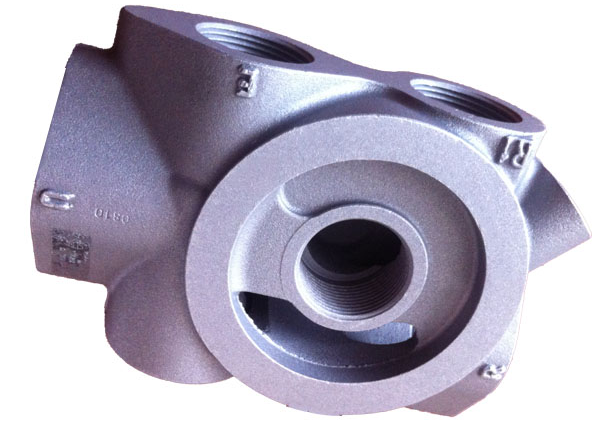
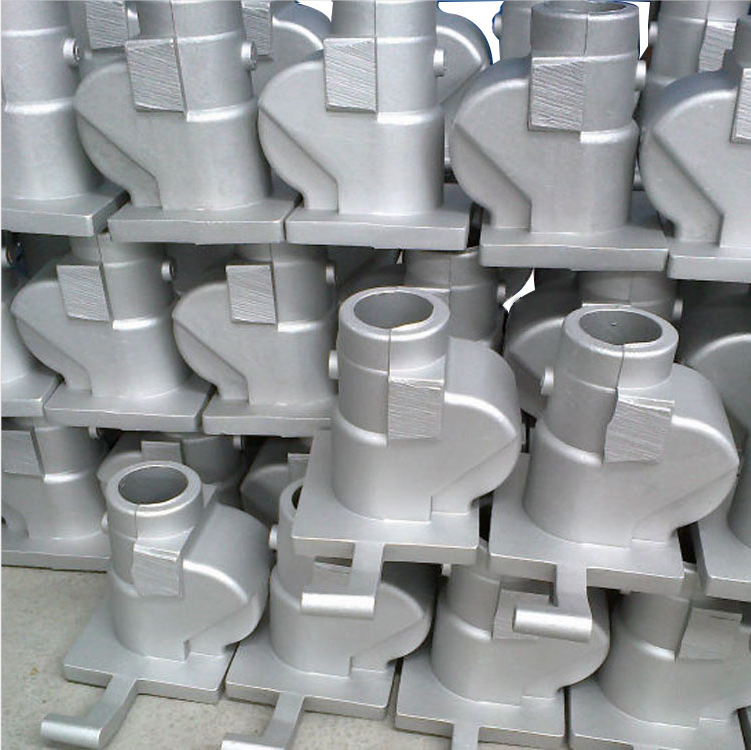
A quote-ready hydraulic valve body drawing should classify every exterior opening as a functional port, service cavity, temporary test connection or permanent manufacturing access hole. For each permanent closure, define the closure reference, prepared seat or bore geometry, material compatibility, supply and installation owner, cleaning state, retention and leak evidence, inspection stage, record frequency and deviation authority. The supplier should not select or change the permanent closure method silently.
Cross-drilling can create access holes so tools can form or connect internal passages. Once permanently closed, each hole becomes a finished assembly interface rather than an unfinished machining detail. The closure hardware, prepared hole, surrounding casting material, installation process and acceptance evidence have to work as one controlled system. A note such as plug after machining does not make competing quotations technically comparable.
Bohua's current valve-body pages show project-relevant A356-T6 and ZL114/A356-family aluminum casting examples with gravity casting, CNC-machined ports, passage and sealing-feature review, datum planning and dimensional verification. That evidence supports a drawing-based casting and machining review. It does not prove that Bohua automatically selects, supplies or installs any proprietary passage plug. Plug selection, sourcing, installation, inspection and testing remain project-specific quotation items.
Classify every exterior opening before the supplier quotes
Give each opening an ID and one functional class. A functional port connects the finished valve body to another component or fluid line. A service cavity remains accessible for assembly or maintenance. A temporary test connection is used by an agreed test setup and removed or reconfigured afterward. A manufacturing access hole exists because a drilling or machining operation needed access and is permanently closed in the delivered part. These classes can require different geometry, hardware, cleanliness, inspection and change control. If the drawing uses the word plug for all four, add a controlled opening schedule so suppliers do not price different finished conditions under the same description.
Build one passage-and-closure map
Link the revision-controlled 2D drawing and 3D model to a simple schedule. For every manufacturing access hole, list the passage ID, opening ID, closure reference, installation side, adjacent functional features and the fluid boundary affected after installation. Show whether the access drilling intersects another passage and identify any region where a machined seat, thread, sealing land or thin casting wall is nearby. The same IDs should appear in the quote, first-article report, production control plan and nonconformance record. This prevents a plug on the model, a hole note on the drawing and a leak-test port on the control plan from being treated as three unrelated features.
Treat the closure and prepared seat as one controlled interface
Do not specify only a nominal plug diameter or a supplier name. Identify the approved hardware or the proposal boundary, then control the prepared hole geometry required by that system. Depending on the selected closure, the interface may involve a bore or thread, depth, entry condition, local wall, surface condition, counterbore, chamfer or installation envelope. Material and surface-treatment compatibility also need review. A current Lee Company aluminum expansion-plug page is one manufacturer example showing that a cross-drilled-hole sealing product has product-specific installation-hole and tooling requirements. SAE AS3121 is an official example of defined aluminum expansion-plug hardware. Neither source establishes a universal seat, retention value or leak limit for a buyer's valve body. Use the selected hardware drawing and the buyer's controlled documents.
Put supply and installation responsibility in the quotation
State who buys the closure hardware, who verifies its identity, who prepares the seat, who installs it and who owns the final acceptance record. If the buyer supplies the plug, define delivery timing, lot identification, storage and shortage responsibility. If the casting and machining supplier is asked to source it, provide the approved manufacturer and part reference or require an identified proposal before award. If installation occurs at another facility, define the delivered condition and protective packaging of the open passage. Quote tooling, gauges, approved installation equipment, trial pieces and records separately enough that competing suppliers include the same scope.
Control machining, burr removal and cleaning before closure
A permanent closure can hide the last access route to an internal passage. Put the process sequence in the review: passage drilling, cross-hole deburring, seat preparation, washing or flushing, dryness or preservation when required, inspection and closure installation. Define which internal edges need a drawing-controlled burr condition and how the supplier will verify an inaccessible intersection. The cleanliness requirement needs a measurable buyer definition or an approved supplier proposal; terms such as clean, no debris or production clean are not equivalent evidence. If final cleaning occurs after installation, confirm that the closed geometry can still be cleaned and dried without trapping contamination.
Define retention and leak acceptance without universal numbers
Retention and sealing are different questions. Retention evidence may come from the approved closure design, a controlled installation characteristic, dimensional verification, installation-tool output, destructive qualification or another agreed method. Leak evidence needs the tested boundary, medium, pressure or vacuum condition, stabilization and test time where relevant, acceptance limit, test stage and treatment of temporary connections. Put the governing values in the drawing, specification or approved test plan. Do not copy a product-page pressure, invent an interference rule or assume that one finished-part leak test proves every installation characteristic. Also state whether a passed leak test can accept a dimensional nonconformance; unless the buyer authorizes that relationship, it cannot.
Separate first-article evidence from production records
For first articles, require the opening and passage IDs, drawing revision, closure lot or identity, prepared-hole results, installation record, leak result, part traceability and any approved deviations. A development study may use extra measurements or destructive verification that is not practical for every production part. For production, define which characteristics are checked on every part, which use an approved sampling plan and which rely on controlled process records. State the required report format and retention period or require the supplier to propose them. A one-time qualification should not silently become the entire production control plan, and a generic certificate should not replace the named results needed for the closure interface.
Control changes, deviations and repair authority
List the changes that require written buyer review before use. Relevant triggers may include a plug manufacturer or part-number change, material or finish change, seat geometry change, reamer or installation-tool change, installation process change, passage or datum revision, casting-tool repair affecting local wall, machining-fixture change, cleaning-process change or leak-test revision. Define who can approve a deviation, whether removal and replacement are allowed, how the casting is evaluated after extraction and whether an alternative sealing compound, threaded plug, expansion plug or other repair is prohibited without approval. The supplier should return the affected evidence plan with the change request instead of treating closure hardware as an interchangeable shop consumable.
Normalize the commercial scope before supplier award
Ask each supplier to state what is included for casting tooling, machining fixtures, seat preparation tools, installation tooling, gauges, cleaning, first-article evidence, leak-test fixtures, production records, traceability, spare closure hardware and correction trials. Provide sample quantity, annual forecast, expected lot pattern, finished condition, destination and required timing. Require exclusions, buyer-supplied items and open assumptions in writing. This makes a low unit price visible when it excludes closure hardware, installation, leak evidence or the control records needed for production release. It also gives both parties a clean boundary for later engineering changes.
Bohua evidence boundary and RFQ route
Relevant Bohua routes are Valve Body Application, Valve Body Manufacturer, Aluminum Casting plus CNC Machining, A356 Material, Quality Control, Screw Machine Vacuum Pump Hydraulic Valve 32 and Screw Machine Valve Body 38. The two product images on this page are current Bohua catalog examples. They support valve-body casting and machining relevance, not an automatic claim for a specific plug family or installation process. The external Lee Company and SAE sources above support terminology and interface-control logic only. Send Bohua the controlled PDF and STEP files, opening and passage schedule, selected closure reference or proposal boundary, alloy and heat-treatment requirements, machining scope, cleaning requirement, leak boundary, first-article and production evidence, quantities, destination and timing for a drawing-based review and quotation.
Specifications
| Opening class | Functional port, service cavity, temporary test connection or permanent manufacturing access hole |
|---|---|
| Passage and opening ID | Drawing-linked identifiers repeated in the quote, inspection plan, first-article report and nonconformance record |
| Closure reference | Buyer-approved hardware and revision, or a defined supplier-proposal boundary before award |
| Material compatibility | Casting alloy and temper, closure material, surface treatments, service fluid and project-defined compatibility review |
| Prepared seat or bore | Controlled geometry, depth, entry, local wall, finish and installation envelope required by the selected closure system |
| Supply and installation owner | Hardware purchasing, identity check, storage, seat preparation, installation and final acceptance responsibility |
| Pre-closure cleanliness | Deburring, washing or flushing, dryness or preservation, inspection stage and measurable buyer requirement or approved proposal |
| Leak boundary | Tested circuit, medium, condition, stabilization and test time where relevant, acceptance, test stage and temporary-connection treatment |
| Retention evidence | Approved design basis plus agreed dimensional, process, tool-output, qualification or other controlled evidence |
| First-article evidence | Drawing revision, prepared-hole results, closure identity or lot, installation record, leak result, traceability and deviations |
| Production records | Per-part or approved sampling controls, report format, part or lot traceability and record-retention authority |
| Change and commercial control | Review triggers, deviation and repair authority, tooling and gauges, buyer-supplied items, quantities, delivery basis and exclusions |
FAQ
What is the difference between a functional port plug and a permanent manufacturing closure?
A functional port is part of the intended customer or system connection, while a manufacturing access hole exists so a tool can create or connect an internal passage. If that access hole is permanently closed in the delivered part, its closure becomes a controlled assembly interface. Give the two opening classes separate IDs, requirements and records.
Can a passage closure plug be selected after valve-body machining starts?
That is risky unless the buyer has deliberately left an approved proposal boundary. The selected closure can determine prepared-hole geometry, local wall, tooling, cleaning sequence, installation access and acceptance evidence. Review it before tooling and process release, then place the approved reference in controlled documents.
Does Bohua automatically supply and install cross-drilled passage plugs?
No automatic scope is claimed. Bohua's current pages verify relevant aluminum valve-body casting and CNC-machining examples, but plug selection, sourcing, installation, inspection and testing must be confirmed for the specific drawing and quotation.
What closure evidence belongs in first-article and production records?
First-article evidence should connect the drawing revision, opening ID, prepared-hole result, closure identity or lot, installation record, leak result, part traceability and deviations. Production records should state which controls are per part or sampled, the approved method, report format, traceability and retention authority.
What should I send Bohua for a valve-body passage-closure review?
Send revision-controlled PDF and STEP files, an opening and passage map, selected closure reference or proposal boundary, alloy and heat-treatment requirements, machining and cleaning scope, leak boundary, required first-article and production evidence, quantities, destination and timing.