
For a comparable fire water pump housing quote, separate the casting and machining scope from complete-pump approval, then define drawings, alloy, machined interfaces, test acceptance, inspection records, tooling, samples, and annual volume.
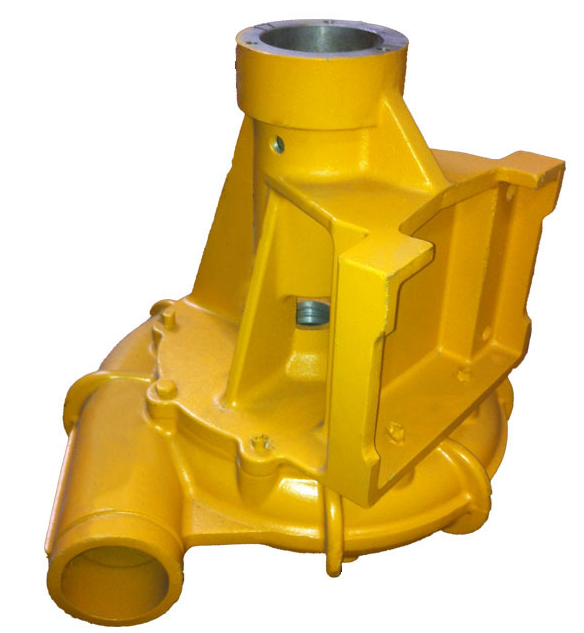
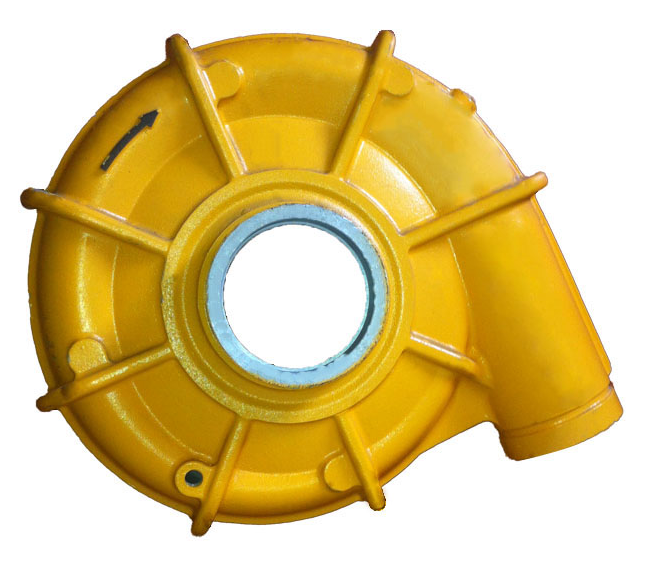
A fire water pump housing RFQ should define the custom casting and machining package clearly enough that suppliers quote the same scope. Start by stating whether you need an as-cast part, a heat-treated casting, a fully machined housing, or a housing prepared for your own assembly and final system testing. Then identify the drawing revision, alloy and temper requirement, critical flanges and ports, sealing interfaces, inspection evidence, test acceptance, tooling ownership, sample quantity, and annual demand.
The housing supplier should not be asked to infer complete-pump approval requirements from the part name alone. If a fire-pump standard, customer specification, or regulatory approval applies to the finished assembly, cite the exact requirement and state which obligations belong to the casting supplier, machining supplier, pump assembler, and final test owner. This boundary prevents a casting quote from being mistaken for certification of a complete fire pump.
Bohua's current product range includes drawing-based A356-T6 fire water pump housings produced by gravity casting, with secondary machining reviewed for sealing faces, inlet and outlet ports, and mounting datums. The exact alloy, heat treatment, machining, inspection, and functional test route remains subject to the buyer's drawing and acceptance criteria.
Define the supply boundary before asking for price
A quote can look complete while excluding work that another supplier included. State the required delivery condition in one sentence: as-cast, heat treated, rough machined, finish machined, coated, cleaned, plugged, or ready for assembly. Identify who owns pressure or leak testing and whether the test applies to the casting, the machined housing, or the assembled pump.
Also state that the housing is a component within a fire water pump or emergency water-transfer assembly. This gives the supplier application context without implying that the casting supplier is responsible for complete-pump performance, certification, or field approval.
Release a quote-ready drawing package
Send the controlled 2D drawing and a STEP model when available. The 2D drawing should remain the authority for material, heat treatment, dimensions, geometric tolerances, surface finish, inspection, and notes. Mark the sealing faces, flange interfaces, inlet and outlet ports, bolt patterns, mounting datums, and any wall zones where soundness is functionally important.
Separate as-cast requirements from post-machining requirements. A general casting tolerance should not be used for a finished bore, flange face, thread, or gasket land. If the machining datum scheme is still open, ask the supplier to propose fixture datums during DFM review and require approval before tooling or machining fixtures are released.
Treat pressure and leak testing as an RFQ specification
Do not write only 'leak test required.' Define the test medium, test stage, pressure or vacuum level, hold time, stabilization rule, allowable leakage or visible-leak criterion, temperature condition if relevant, sampling frequency, fixture responsibility, calibration expectation, record format, and re-test policy.
The required method depends on the assembly and customer specification. The casting supplier should confirm feasibility against the drawing instead of substituting a familiar shop test. If final system approval is performed by the pump assembler or another laboratory, say so and define what evidence is still required from the housing supplier.
Align inspection evidence with the real failure modes
For fire water pump housings, the inspection plan should follow the drawing risks: wall soundness, flange flatness, sealing-land condition, port location, bolt pattern, and mounting-datum relationships. Ask for the specific records your approval process needs, such as material certification, heat-treatment record, dimensional report, CMM results for selected characteristics, visual inspection, or project-defined soundness evidence.
Avoid requesting every possible report by default. A smaller evidence pack tied to critical characteristics is easier to compare and maintain. Define which records are required for the first article, which repeat by lot, and which are retained by the supplier for review on request.
Compare tooling, sample, and production assumptions
A commercial comparison should separate permanent tooling, core tooling, trim tools, machining fixtures, checking fixtures, sample parts, inspection reports, heat treatment, machining, coating, packaging, and freight terms. Record who owns each tool, where it is stored, expected maintenance responsibility, and what happens if the program is transferred.
Give both the pilot quantity and realistic annual volume. Ask the supplier to identify any pricing break, cavity or fixture assumption, material purchase basis, inspection frequency, and packaging quantity. This makes unit-price differences explainable and reduces revisions after sample approval.
Bohua routes to review before sending the RFQ
Relevant production routes are /products/fire-water-pump-31, /products/fire-water-pump-32, /products/fire-water-pump-33, /materials/a356, /processes/gravity-casting, /quality-control, and /request-quote. The current JHClaw renderer keeps article body text as plain text, so these route references are not injected as HTML links. Use the page's RFQ button to upload the drawing package.
Specifications
| Supply boundary | As-cast, heat treated, rough machined, finish machined, coated, cleaned, plugged, or assembly-ready; identify the final test owner. |
|---|---|
| Drawing authority | Controlled 2D revision plus STEP model; identify which document controls material, tolerances, notes, and acceptance. |
| Material and temper | State A356-T6 or the drawing-defined alternative, including the required material and heat-treatment records. |
| Casting route | Gravity casting or another approved route after drawing review; include core, wall-soundness, and tooling assumptions. |
| Machined interfaces | Flange faces, gasket lands, ports, bores, bolt patterns, threads, and mounting datums with final tolerances and surface finish. |
| Pressure or leak test | Medium, stage, pressure or vacuum level, hold time, acceptance, sampling, fixture ownership, record format, and re-test policy. |
| Inspection evidence | Project-defined material, heat treatment, dimensional, CMM, visual, and soundness records tied to critical characteristics. |
| Surface protection | Coating or finish specification, masking zones, cleanliness, corrosion protection, and packaging condition. |
| Tooling and samples | Tool ownership, core and machining fixtures, sample quantity, first-article evidence, approval route, and transfer conditions. |
| Commercial basis | Pilot quantity, annual volume, delivery schedule, quote validity, packaging quantity, Incoterm, destination, and exclusions. |
FAQ
What should I send for a fire water pump housing casting quote?
Send the controlled 2D drawing, STEP model when available, material and temper requirement, annual volume, sample quantity, machined interfaces, pressure or leak-test definition, inspection records, surface protection, tooling status, destination, and required delivery condition.
Is A356-T6 always the correct alloy for a fire water pump housing?
No. Bohua has A356-T6 gravity-cast fire water pump housing examples, but the final alloy and temper must follow the design loads, corrosion environment, section geometry, heat-treatment plan, machining needs, and applicable customer specification.
How should a buyer specify pressure or leak testing?
Define the medium, test stage, pressure or vacuum level, hold time, acceptance criterion, temperature condition if relevant, sampling, fixture responsibility, calibration expectation, record format, and re-test policy. Do not rely on the phrase 'leak test required.'
Which inspection records are useful for sample approval?
Choose records that match the drawing risks. These may include material certification, heat-treatment record, dimensional report, selected CMM results, visual inspection, and project-defined soundness evidence. State which records apply to first articles and which repeat in production.
How can I compare two fire pump housing supplier quotes fairly?
Normalize the supply condition, alloy, tooling and fixtures, machining, test scope, inspection records, sample package, coating, packaging, annual volume, delivery term, and exclusions before comparing unit price.