For a comparable fire truck water pipe joint casting quote, define the supplied component, connection geometry, controlled drawing, A356-T6 route, CNC and sealing interfaces, project test acceptance, inspection evidence, finish, tooling, and annual volume.
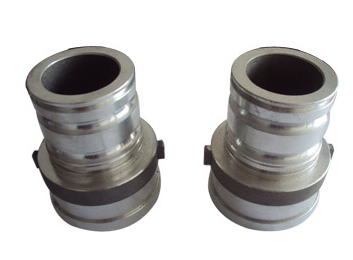
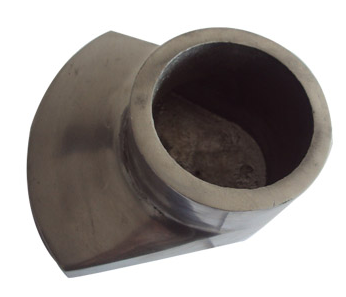
A comparable fire truck water pipe joint casting RFQ must state what the supplier will deliver: a raw casting, heat-treated blank, machined joint or coupling, finished and marked connector, or an assembly-ready component. It must identify the controlled connection drawing or standard edition, nominal interface, waterway and sealing boundaries, material and temper, CNC operations, project-defined pressure or leak test, inspection records, finish, tooling, sample quantity, and annual volume. A part name or photograph is not enough to establish interface compatibility or complete fire-apparatus approval.
Bohua’s current product catalog includes six Fire Truck Water Pipe Joint examples identified as A356-T6 gravity castings. Their published descriptions cover joining, clamping, and installation functions and features such as sealing faces, bolt holes, and reinforced ribs. These examples show a relevant component and manufacturing family; they do not prove that a new buyer drawing complies with a particular fire-hose, vehicle, or complete-assembly standard. The buyer-controlled drawing and project acceptance plan remain authoritative.
Define the supplied component and approval boundary
Start the RFQ with the delivered condition. Water pipe joint may mean an as-cast blank, a heat-treated blank, a fully machined connector, a protected and marked part, or a component supplied with purchased seals or hardware. State who owns mating-part approval, component testing, final assembly testing, and complete apparatus validation. If the supplier is quoting only an aluminum component, do not leave wording that could be read as a request to certify the hose, pump module, waterway assembly, or vehicle. A clear approval boundary prevents suppliers from including different levels of work in apparently comparable prices.
Lock the connection geometry to a controlled reference
Provide the revision-controlled 2D drawing as the dimensional authority and a STEP model for geometry review. Name the exact connection standard and edition when one applies; otherwise identify the OEM interface drawing. Include nominal size, male, female, swivel, or retaining-ring configuration, thread form and pitch or groove and flange details, gasket land, orientation, and any required mating component or approved gauge. Avoid descriptions such as standard fire thread or match the sample without a controlled reference. If fit depends on a purchased gasket, clamp, hose tail, cap, or mating connector, identify it and define who supplies the sample or gauge for first-article approval.
Protect the waterway and sealing interface
Mark the functional waterway, sealing face, gasket or O-ring contact, and any boundary where flash, burrs, steps, or a projecting gasket could interfere with flow or sealing. Put minimum remaining wall, critical edge and chamfer requirements, and sealing-surface finish on the drawing where they are functional. Define whether the part must be cleaned, dried, capped, plugged, or otherwise protected after machining and testing. If the waterway must meet a project cleanliness requirement, provide the method and acceptance criteria. A supplier cannot safely infer cleanliness, roughness, or sealing acceptance from the application name alone.
Separate casting, heat treatment, and CNC scope
A356-T6 is a verified material and temper used on Bohua’s current Fire Truck Water Pipe Joint examples, but it is not an automatic selection for every new connector. Confirm the alloy, temper, governing material requirement, and required material or heat-treatment records on the buyer drawing and purchase specification. List which features remain as cast and which are machined. Identify functional datums, fixture or clamping restrictions, sealing faces, threads, grooves, bores, bolt holes, and inspection stage. Where machining cuts into a pressure boundary, the drawing should control the final geometry and remaining wall rather than leaving the supplier to infer machining allowance from the model.
Write testing as an acceptance plan
Leak tested is not a complete purchasing requirement. State the function being verified, the test article and manufacturing stage, medium, project-defined pressure or vacuum, ramp and stabilization method, hold period, acceptance criterion, sampling plan, and required record. Identify who owns plugs, fixtures, mating seals, and calibrated equipment. Also define the response to a failure: segregation, review authority, retest rules, and whether any repair is permitted by the buyer specification. Component-level testing does not replace an assembly or apparatus test unless the controlled project documents explicitly say so. This article therefore gives no universal test pressure or leak limit.
Specify finish, marking, packaging, and records
State the required surface condition and any paint, conversion coating, anodize, or other protection only when the project calls for it. Mark sealing and mating areas that must be masked or protected. Define required part identification, revision or traceability marking, location, legibility, and restrictions that prevent marking from weakening a functional section. Packaging instructions should protect threads, sealing faces, machined bores, and coating during storage and shipment. List the records that must ship with samples or production lots, such as material, heat treatment, dimensional, test, or traceability documents, rather than requesting an undefined quality report.
Compare tooling, samples, and serial-production quote assumptions
Ask suppliers to separate casting tooling, cores, trim tools, machining fixtures, test fixtures, and special gauges. Define ownership, maintenance, storage, and replacement assumptions. Provide prototype or first-article quantity, expected annual volume, production lot assumptions, delivery location, and requested commercial basis. For approval, identify the exact document package: first-article or PPAP level if applicable, ballooned drawing, dimensional results, CMM evidence for named characteristics, material and heat-treatment records, component test results, and approved deviation process.
Bohua product and RFQ routes
Relevant Bohua references include Fire Truck Water Pipe Joint product examples 25, 27, and 28, the A356 material page, gravity-casting process page, quality-control page, and request-quote page. Send a controlled 2D drawing, STEP model, connection reference, annual volume, required supply condition, test plan, and inspection-document list through the RFQ form. These inputs allow Bohua to review manufacturability and quote the defined scope without assuming an unverified interface or certification.
Specifications
| Supply condition | Raw casting, heat-treated blank, machined part, finished connector, or assembly-ready component |
|---|---|
| Connection reference | Controlled drawing revision or exact standard and edition, plus mating part or gauge where required |
| Nominal interface | Size, male or female or swivel arrangement, thread, groove, flange, clamp, and orientation details |
| Waterway and sealing | Functional boundary, remaining wall, gasket or O-ring land, roughness, burr, and edge controls |
| Material and temper | Alloy, temper, governing requirement, and required material or heat-treatment records |
| Casting and CNC scope | As-cast versus machined features, datums, fixture limits, machining allowance, and inspection stage |
| Test acceptance | Article, stage, medium, pressure or vacuum, sequence, hold, acceptance, sampling, fixture, and record |
| Inspection evidence | Critical characteristics, gauge or CMM method, first-article or PPAP scope, and traceability |
| Finish and protection | Surface treatment, masking, marking, cleanliness, plugs, caps, and packaging |
| Tooling and commercial basis | Tool ownership, fixtures and gauges, sample quantity, annual volume, lot basis, and delivery term |
FAQ
What files should I send for a fire truck water pipe joint casting quote?
Send a revision-controlled 2D drawing, STEP model, exact connection reference, mating-part or gauge information where fit depends on it, annual volume, supply condition, test plan, and inspection-document requirements. Add finish, marking, packaging, and delivery assumptions when they are part of the quote.
Is A356-T6 always the correct alloy and temper for this component?
No. A356-T6 is a verified example used on Bohua’s current Fire Truck Water Pipe Joint product pages, but the buyer drawing, operating environment, validation plan, and governing material requirement must define the final selection.
Is standard fire hose thread enough for an RFQ?
No. Name the exact standard and edition or provide the OEM interface drawing. Include nominal size, configuration, thread or groove data, gasket land, mating part, and required gauge so that fit is not inferred from a general name.
Who should define the pressure or leak test?
The buyer’s controlled project documents should define whether the test applies to the component or assembly and specify the method, medium, pressure or vacuum, sequence, hold, acceptance, sampling, fixtures, and required records. Suppliers can then confirm whether the requested scope is feasible.
Can a supplier quote from a photograph or an existing product page?
A photograph or product page may support an early feasibility discussion, but a production quote needs controlled dimensions, a 3D model, expected volume, delivered condition, test scope, and evidence requirements. Otherwise suppliers may price materially different assumptions.